CM Yogi Orders Mandatory CPR Training for UP Police, Home Guards
Synopsis
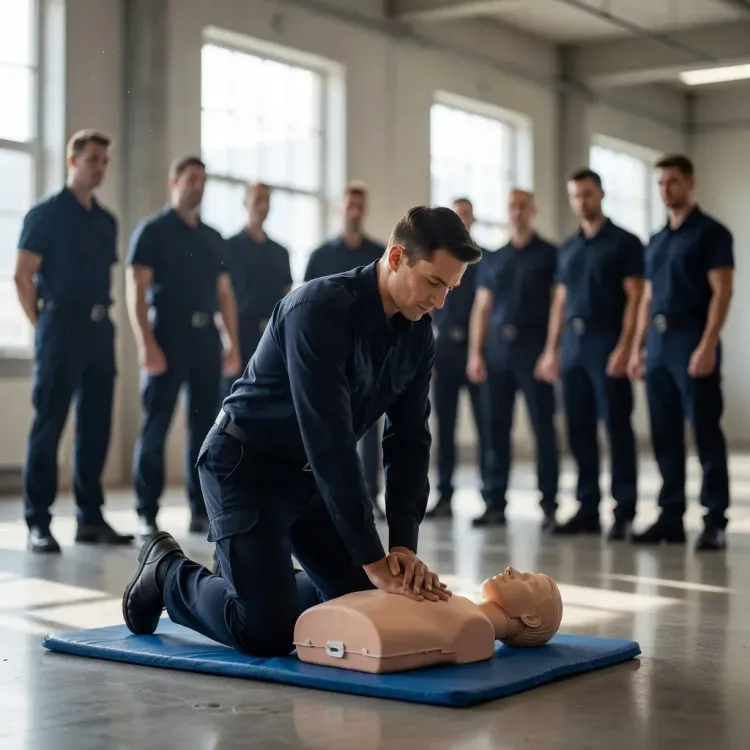
Chief Minister Yogi Adityanath has directed that all Uttar Pradesh police personnel and Home Guard jawans receive mandatory CPR and first-aid training, describing them as society's first responders. He also called for the ongoing Home Guard enrollment process to be completed with full transparency and within fixed timelines.
Key Takeaways
CM Yogi Adityanath has made CPR and first-aid training compulsory for all Uttar Pradesh Police personnel and Home Guard jawans.
The Chief Minister described police and Home Guard jawans as 'society's first responders,' the first to reach victims in any incident.
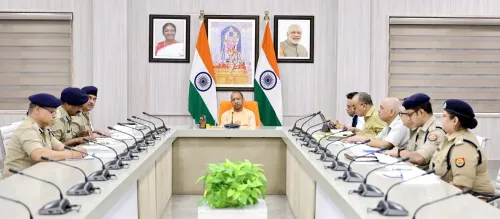
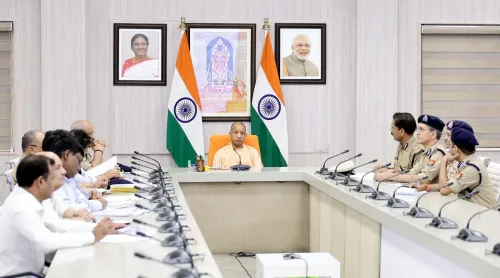
The directive came during a review of the Home Guard enrollment process , with the CM stressing full transparency, impartiality, and time-bound completion.
Uttar Pradesh has a precedent of large-scale transparent police recruitment, including over 60,000 constable posts filled via computer-based testing between 2020 and 2023 .
The move extends the state's police modernisation agenda to include public-health and emergency-response skills alongside conventional law-and-order training.
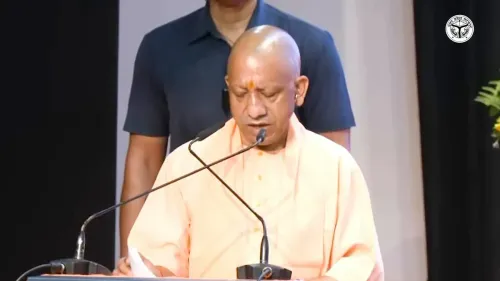
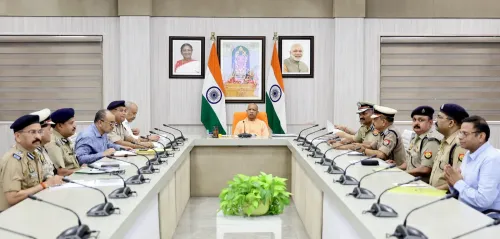
The Chief Minister's Office of Uttar Pradesh, posting on behalf of Chief Minister Yogi Adityanath, on Sunday, 31 May 2026, directed that all police personnel and Home Guard jawans must receive mandatory CPR and first-aid training, calling them the state's primary first responders. The directive came during a review meeting that also addressed the Home Guard enrollment process, with the Chief Minister stressing that recruitment must be conducted with complete transparency, impartiality, and within fixed timelines.
Context
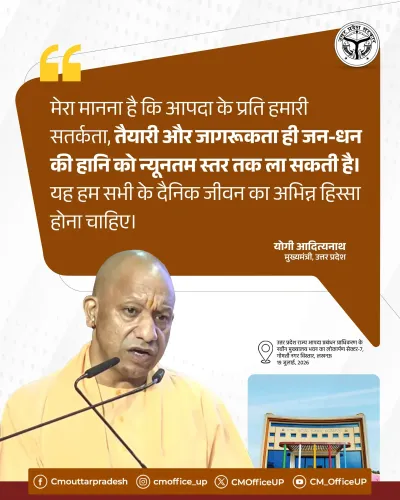
Addressing officials, CM Yogi Adityanath stated, 'police va homeguard ka jawan samaj ka first responder hota hai' ('a police or Home Guard jawan is society's first responder'). He underlined that in any incident, these personnel are the first to reach a victim, making it essential that they are equipped with life-saving skills. The Chief Minister specifically called for CPR (cardiopulmonary resuscitation) and first-aid training to be made compulsory across the force.
The instruction signals a deliberate push to upgrade the emergency-response capabilities of Uttar Pradesh's frontline security forces beyond conventional law-and-order duties, embedding a public-health dimension into their core training mandate.
Policy Backdrop
Uttar Pradesh Police has been the subject of sustained modernisation efforts since 2018, when the state government launched a programme mandating physical and skills training for constables. Between 2020 and 2023, the state conducted what was then its largest-ever police constable recruitment, filling over 60,000 posts through computer-based testing designed to ensure transparency and reduce litigation.
The Home Guards, an auxiliary volunteer force deployed alongside regular police for crowd management, disaster relief, and first-response duties, have historically received less structured training compared to regular constables. The Chief Minister's latest directive seeks to close that gap by bringing Home Guard jawans under the same first-aid training framework.
Successive state budgets have allocated funds for police training infrastructure, and the emphasis on health-skill modules such as CPR fits within a broader pattern of linking improved first-response capabilities to Uttar Pradesh's law-and-order agenda.
Stakeholders and Impact
The directive directly affects tens of thousands of serving police personnel and Home Guard volunteers across Uttar Pradesh, one of India's most populous states. For ordinary citizens, the practical implication is that the officer or jawan who arrives first at the scene of a road accident, a medical emergency, or a public incident will be trained to administer basic life-saving intervention before paramedics reach.
On the recruitment front, CM Yogi reviewed the ongoing enrollment process for the Home Guard and reiterated that selection must be completed with 'complete transparency, impartiality, and in a time-bound manner.' This mirrors the approach adopted during earlier large-scale police recruitment drives and is aimed at pre-empting legal challenges and public grievances over selection irregularities.
What's Next
The immediate watch-point is the rollout of structured CPR and first-aid modules within Uttar Pradesh's police training colleges and Home Guard training centres. Officials will be expected to present an implementation calendar, including which batches will be trained first and how existing personnel already in service will be covered under a refresher programme.
On the recruitment side, the publication of results and the timeline for completing the current Home Guard enrollment cycle will serve as the key transparency benchmark. If the state follows the precedent set by earlier constable recruitments, a computer-assisted, publicly auditable process is the likely model. Both tracks — training reform and transparent recruitment — will be closely watched as indicators of whether the directive translates into ground-level change.
Point of View
Time-bound Home Guard enrollment suggests the government is trying to insulate a politically sensitive recruitment process from the controversies that have dogged similar drives in other states. Together, the two instructions reinforce the administration's dual messaging: a professional, well-trained force built through a clean, credible process.
NationPress
14 Oct 2026
Frequently Asked Questions
Why has CM Yogi ordered CPR training for UP Police and Home Guards?
CM Yogi Adityanath ordered mandatory CPR and first-aid training because police and Home Guard personnel are the first to reach victims in any emergency, making life-saving skills essential to their role as society's first responders.
What is the Home Guard enrollment review CM Yogi conducted?
CM Yogi reviewed the ongoing process of enrolling new Home Guard volunteers and directed that the selection be completed with full transparency, impartiality, and within fixed timelines to prevent irregularities.
How large is the Uttar Pradesh Police force?
Uttar Pradesh Police is one of India's largest state law-enforcement agencies; the state filled over 60,000 constable posts in a single recruitment drive between 2020 and 2023, reflecting the scale of the force.
What is the role of Home Guards in Uttar Pradesh?
Home Guards are an auxiliary volunteer force deployed alongside regular police for crowd control, disaster relief, and first-response duties across Uttar Pradesh.
What is CPR and why is it important for police personnel?
CPR, or cardiopulmonary resuscitation, is an emergency procedure used to manually preserve brain function and blood circulation when a person's heart has stopped. Training police in CPR means that first responders who arrive at accident or medical emergency scenes before paramedics can immediately begin life-saving intervention.