CM Yogi Highlights World-Class Tech Used in Ganga Expressway
Synopsis
Uttar Pradesh Chief Minister Yogi Adityanath on 26 May 2026 highlighted the use of world-class technology in constructing the 594-km Ganga Expressway, a six-lane access-controlled corridor linking Meerut with Prayagraj — part of the state's 1,000-plus km expressway expansion since 2017.
Key Takeaways
CM Yogi Adityanath stated on 26 May 2026 that the Ganga Expressway was built using world-class technology.
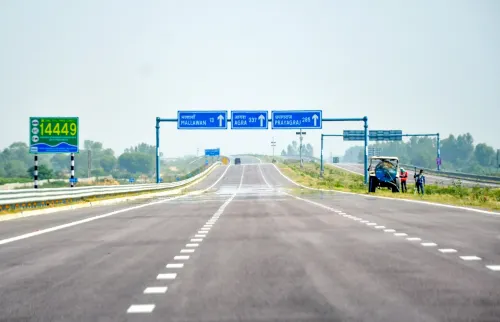
The expressway spans 594 km as a six-lane access-controlled corridor between Meerut and Prayagraj .
The project received Cabinet approval and its foundation stone in 2018 under Uttar Pradesh's second-phase expressway programme.
Uttar Pradesh has commissioned over 1,000 km of new expressways since 2017 , including the Purvanchal, Agra-Lucknow, and Bundelkhand corridors.
The corridor aligns with the central government's Bharatmala Pariyojana framework for access-controlled highways.
Future focus includes full interchange operationalisation and integration with the Delhi-Mumbai Expressway spur.
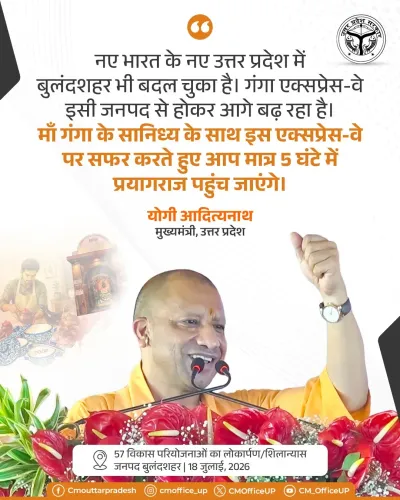
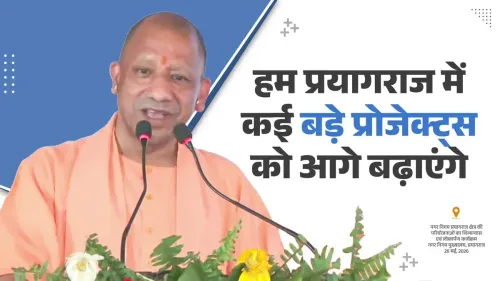
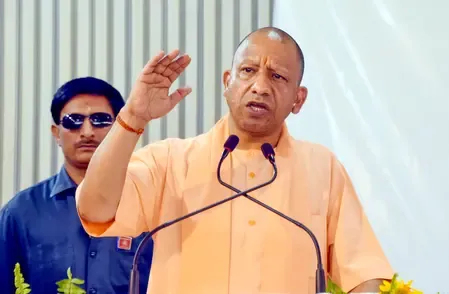
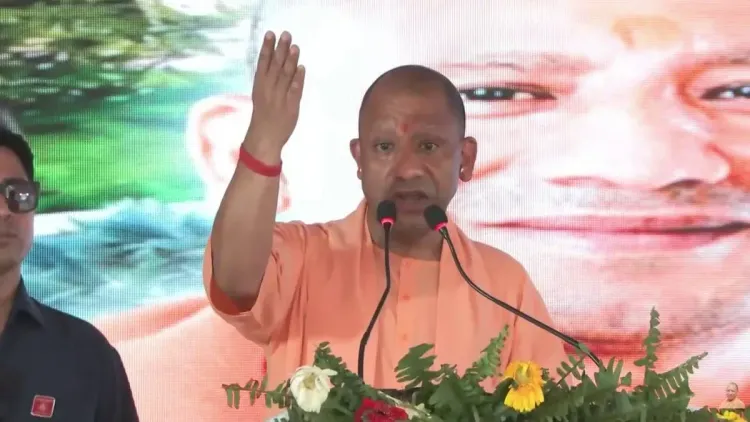
Uttar Pradesh Chief Minister Yogi Adityanath on Tuesday, 26 May 2026 highlighted the use of world-class technology in the construction of the Ganga Expressway, underscoring the project as a landmark achievement in the state's infrastructure push.
In his post on X, CM Yogi stated: 'वर्ल्ड क्लास टेक्नोलॉजी का उपयोग करके हम लोगों ने गंगा एक्सप्रेस-वे का निर्माण किया है' ('We have constructed the Ganga Expressway using world-class technology'). The statement positions the expressway as a showcase of modern engineering standards in Uttar Pradesh.
Context
The Ganga Expressway is a 594-kilometre, six-lane access-controlled corridor linking Meerut with Prayagraj, running broadly along the Ganga belt of the state. The project received Cabinet approval and had its foundation stone laid in 2018 as part of Uttar Pradesh's second-phase expressway programme. It is one of the longest greenfield expressways undertaken by any Indian state government.
The corridor passes through several districts in western and central Uttar Pradesh, including Hapur, Bulandshahr, Amroha, Sambhal, Budaun, Unnao, and Pratapgarh, connecting communities that previously lacked direct high-speed road access.
Policy Backdrop
Since 2017, Uttar Pradesh has commissioned over 1,000 km of new expressways, including the Purvanchal Expressway, the Agra-Lucknow Expressway, and the Bundelkhand Expressway. The state's expressway drive aligns with the central government's Bharatmala Pariyojana, which prioritises access-controlled highways to reduce logistics costs and cut inter-city travel times.
The Ganga Expressway is expected to significantly reduce travel time between Meerut and Prayagraj, a journey that currently takes several hours on conventional roads. Proponents argue the corridor will also stimulate industrial and agricultural logistics in the Ganga-belt districts it traverses.
Stakeholders and Impact
The primary beneficiaries are commuters, freight operators, and agri-businesses in western and central Uttar Pradesh. Districts along the Ganga corridor — historically underserved by high-speed road infrastructure — stand to gain improved market connectivity and reduced post-harvest losses through faster transport links.
Urban planners and logistics firms have noted that access-controlled expressways of this scale tend to catalyse real-estate and warehousing investment in adjacent areas. The expressway is also expected to ease pressure on older national highways running through the same corridor.
What's Next
Attention will now turn to the full operationalisation of all interchanges along the 594-km route and the potential integration with the Delhi-Mumbai Expressway spur, which could create a continuous high-speed network spanning much of northern and western India. CM Yogi's public emphasis on technology standards suggests the state government intends to use the project as a template for future corridor development in Uttar Pradesh.
Point of View
And highlighting it reinforces the state's positioning as a model for large-scale road infrastructure among Hindi-belt states. The alignment with Bharatmala Pariyojana also allows the state government to present the project as a convergence of central and state ambition rather than a standalone initiative. Completion and operationalisation of all interchanges will be the real test of whether the expressway delivers on its logistics and connectivity promise.
NationPress
10 Oct 2026
Frequently Asked Questions
What is the Ganga Expressway and where does it run?
The Ganga Expressway is a 594-km six-lane access-controlled highway in Uttar Pradesh connecting Meerut in the west with Prayagraj in the east, passing through districts along the Ganga corridor including Hapur, Bulandshahr, Amroha, Sambhal, Budaun, Unnao, and Pratapgarh.
When was the Ganga Expressway approved and construction started?
The Ganga Expressway received Cabinet approval and had its foundation stone laid in 2018 as part of Uttar Pradesh's second-phase expressway programme under Chief Minister Yogi Adityanath.
What did CM Yogi say about the Ganga Expressway on 26 May 2026?
CM Yogi Adityanath posted on X that the Ganga Expressway was constructed using world-class technology, underscoring the project as a major infrastructure achievement of his government.
How does the Ganga Expressway fit into UP's broader road infrastructure plans?
The Ganga Expressway is part of Uttar Pradesh's wider push that has seen over 1,000 km of new expressways commissioned since 2017, including the Purvanchal, Agra-Lucknow, and Bundelkhand corridors, all aligned with the central government's Bharatmala Pariyojana framework.
What are the expected benefits of the Ganga Expressway for commuters and businesses?
The expressway is expected to significantly cut travel time between Meerut and Prayagraj, improve logistics for agri-businesses and freight operators in the Ganga belt, and catalyse industrial and warehousing investment in districts along the corridor.