CM Yogi: UP Proves Bureaucracy Can Be Agent of Change
Synopsis
Uttar Pradesh Chief Minister Yogi Adityanath has argued that bureaucracy can be an instrument of change, citing nine years of governance reform in UP as evidence. The remark signals continued emphasis on administrative transformation within existing state structures.
Key Takeaways
CM Yogi Adityanath posted on 3 July 2026 arguing that bureaucratic systems can serve as agents of change.
He cited nine years of governance in Uttar Pradesh as proof of this transformation.
The statement frames reform as incremental change within existing structures, not structural dismantling.
The BJP 's 'double-engine' governance model in UP has centred on law and order, anti-corruption, and investment promotion since 2017 .
State bureaucrats and UP citizens are the primary stakeholders of this governance messaging.
Upcoming UP budget sessions and administrative orders will be key tests of the reform narrative.
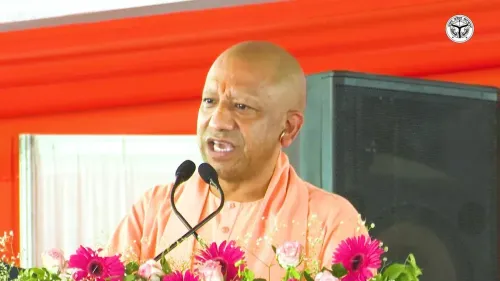
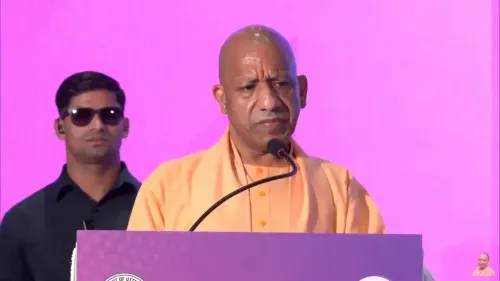
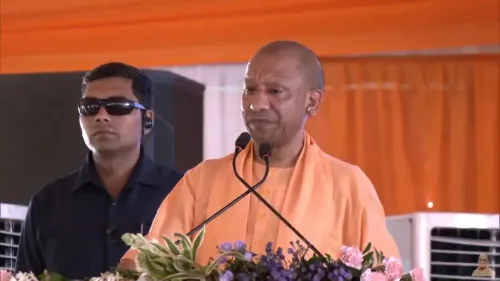
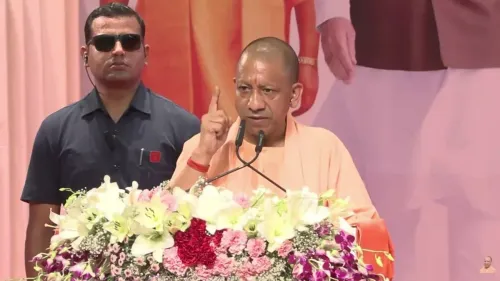
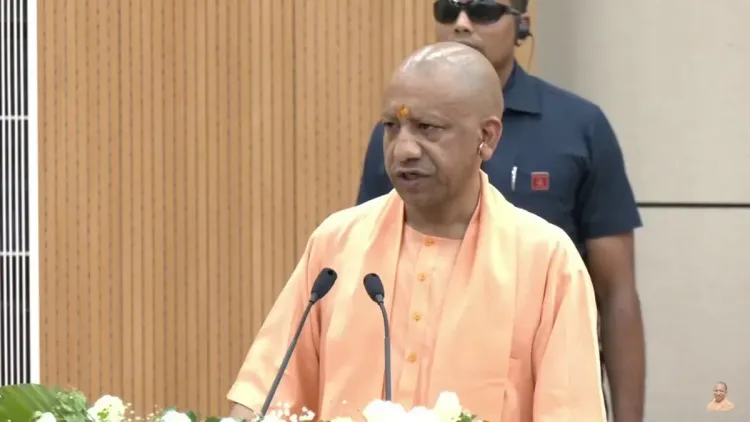
Uttar Pradesh Chief Minister Yogi Adityanath on Friday, 3 July 2026, invoked nearly a decade of governance in Uttar Pradesh to argue that existing bureaucratic structures can be transformed from within, posting a video message on X that drew on his administration's record since 2017.
Context
In the post, CM Yogi said: 'Naukarshaahi pehle bhi thi, vartamaan mein bhi hai aur aage bhi ye vyavasthaayen rahengi' — 'Bureaucracy existed before, it exists now, and these systems will continue to exist in the future.' He went on to assert that 'we too can become agents of change,' pointing to what he described as visible proof from the past nine years inside Uttar Pradesh. The remark frames administrative reform not as the dismantling of existing structures but as a transformation of their orientation and effectiveness.
Policy Backdrop
When Yogi Adityanath assumed office as Chief Minister in March 2017, his government prioritised law and order, anti-corruption measures, and administrative efficiency across Uttar Pradesh — India's most populous state. Rather than pursuing structural overhaul, the approach centred on incremental reform within established bureaucratic hierarchies, a model the Bharatiya Janata Party has described as part of its broader 'double-engine' governance philosophy across the states it governs. Investment summits, digitisation of public services, and tightened accountability mechanisms have been recurring features of this tenure.
The framing of bureaucrats as potential 'agents of change' echoes a wider administrative doctrine that seeks to align career civil servants with elected-government priorities without formally restructuring the Indian Administrative Service cadre system. This tension between political direction and bureaucratic continuity is a persistent theme in Indian state governance.
Stakeholders and Impact
State bureaucrats are the most direct audience for the message — a signal that the administration expects active participation in reform rather than passive compliance. For UP citizens, the claim of nine-year transformation touches on everyday concerns: speed of public-service delivery, law-and-order perception, and ease of doing business in a state that has historically ranked low on administrative efficiency indices. The BJP's political interest lies in consolidating this governance narrative ahead of future electoral cycles in Uttar Pradesh.
Civil-society observers note that while the rhetoric of bureaucratic transformation is consistent with the government's public messaging, independent assessment of specific outcomes — from grievance redressal timelines to anti-corruption convictions — remains an area of ongoing scrutiny.
What's Next
The statement is likely to be amplified through BJP communication channels as the party reinforces its governance record in Uttar Pradesh. Upcoming UP budget presentations and administrative orders in the state assembly will be closely watched as concrete markers of whether the reform momentum cited by CM Yogi translates into measurable policy outcomes. Analysts will also track whether this messaging signals a renewed push for administrative restructuring or serves primarily as an electoral positioning exercise for the BJP in the state.
Point of View
He pre-empts criticism of slow structural change while claiming credit for shifting its culture. This mirrors a broader BJP strategy of presenting administrative continuity as a feature, not a bug, of 'double-engine' rule. The real test will come in measurable service-delivery and accountability data, which independent observers continue to scrutinise closely.
NationPress
3 Jul 2026
Frequently Asked Questions
What did CM Yogi Adityanath say about bureaucracy in his latest post?
CM Yogi Adityanath said that bureaucracy has always existed and will continue to exist, but that governments and officials can become agents of change within it — pointing to nine years of governance in Uttar Pradesh as evidence.
How long has Yogi Adityanath been Chief Minister of Uttar Pradesh?
Yogi Adityanath first became Chief Minister of Uttar Pradesh in March 2017 and, as of July 2026, has completed approximately nine years in office across two consecutive terms.
What is the BJP's 'double-engine' governance model in UP?
The 'double-engine' model refers to the BJP's claim that having the same party in power at both the state and central government levels enables faster policy implementation and administrative reform, a narrative prominently used in Uttar Pradesh.
What administrative reforms has Uttar Pradesh seen under CM Yogi?
Since 2017, the Uttar Pradesh government has pursued measures including improved law and order, anti-corruption drives, digitisation of public services, and investment summits — all framed as transforming bureaucratic efficiency without dismantling existing structures.
What will indicate whether UP's governance reforms are delivering results?
Upcoming Uttar Pradesh budget presentations, administrative orders, and independent assessments of service-delivery timelines and anti-corruption outcomes will be key indicators of the reform record CM Yogi is citing.