CM Yogi Calls on UP Citizens to Fulfil Environmental Duty
Synopsis
Uttar Pradesh Chief Minister Yogi Adityanath on 12 July 2026 called on every citizen to fulfil their duty towards the environment, framing individual accountability as essential to restoring nature's balance — consistent with state messaging linking governance and civic responsibility.
Key Takeaways
CM Yogi Adityanath posted on X on 12 July 2026 urging citizens to fulfil their environmental duty.
The post frames restoring nature's balance as a shared civic responsibility, not solely a government task.
The message aligns with the Swachh Bharat Mission (2014) and Namami Gange (2014) frameworks that emphasise individual participation in environmental protection.
Uttar Pradesh is a key basin state under the Namami Gange programme and has seen repeated state-level plantation and river-cleaning drives.
Analysts will watch for follow-up policy announcements, including budget allocations for afforestation or new pollution control guidelines in Uttar Pradesh .
Uttar Pradesh Chief Minister Yogi Adityanath on Sunday, 12 July 2026, called on every citizen to fulfil their personal responsibility towards the environment, stressing that individual accountability is essential to restore the balance disrupted in nature.
Context
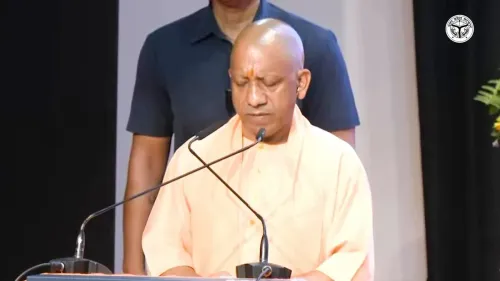
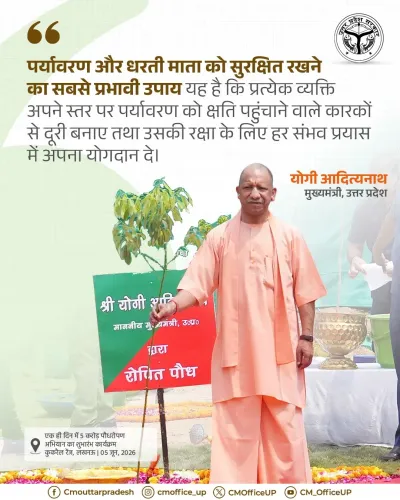
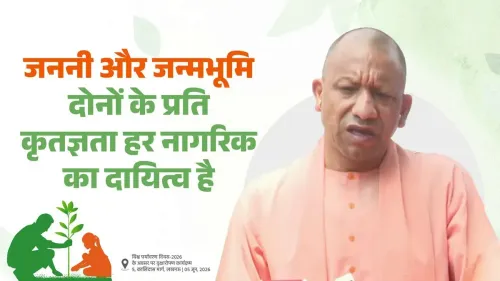
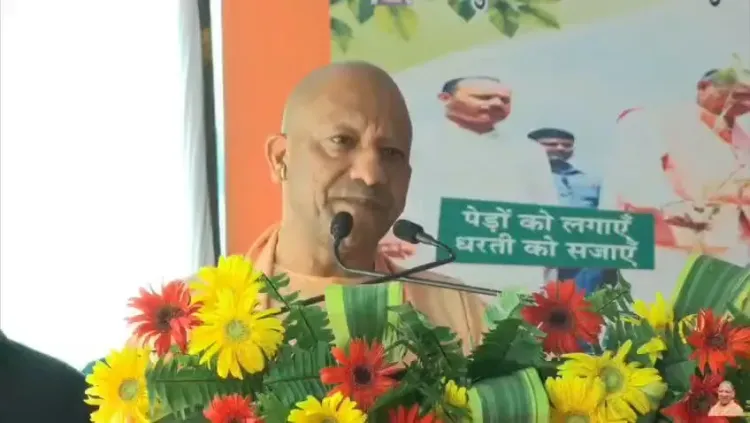
Posting on X, CM Yogi Adityanath wrote, 'प्रकृति के असंतुलन को संतुलित करने के लिए आवश्यक है कि पर्यावरण के प्रति हर नागरिक अपने दायित्व का निर्वहन करे' — 'To restore the imbalance in nature, it is essential that every citizen fulfil their duty towards the environment.' The statement, accompanied by a video, places civic duty at the centre of environmental protection rather than framing it solely as a government obligation.
The post reflects a consistent strand of messaging from the Yogi Adityanath administration, which has repeatedly paired infrastructure expansion in Uttar Pradesh with public appeals for personal environmental accountability.
Policy Backdrop
The call echoes the philosophy embedded in two landmark national programmes. The Swachh Bharat Mission, launched in 2014, built its framework around individual citizen responsibility for cleanliness and environmental upkeep across India. In the same year, the Namami Gange programme was initiated to rejuvenate the Ganga river system, relying heavily on coordinated state-level and public participation — with Uttar Pradesh, as a key basin state, playing a central role.
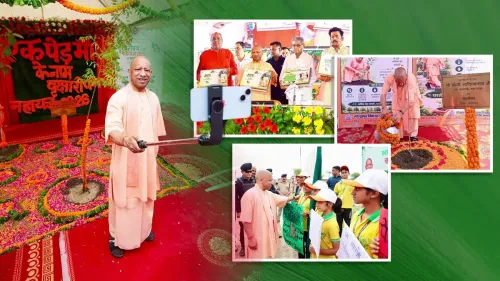
State-level tree plantation campaigns and river cleaning drives in Uttar Pradesh have frequently been accompanied by similar appeals from the Chief Minister, situating this post within a recognisable pattern of governance communication in the Indo-Gangetic region.
Stakeholders and Impact
The message is directed at the citizens of Uttar Pradesh, India's most populous state, where environmental pressures — from river pollution to urban air quality — remain significant governance challenges. By invoking the concept of 'duty' (dayitva), the Chief Minister frames environmental protection not merely as a policy deliverable but as a civic and moral obligation.
Such framing has practical implications: it can mobilise voluntary participation in afforestation drives, waste management, and river conservation efforts, reducing the burden on state machinery and building community ownership of environmental outcomes.
What's Next
Observers will watch for follow-through in the form of state budget allocations, new guidelines for pollution control, or the launch of fresh afforestation programmes in Uttar Pradesh. If this post signals the lead-up to a formal state initiative, announcements on conservation targets or citizen engagement drives could follow in the near term. The broader trajectory suggests that environmental messaging in Uttar Pradesh will continue to integrate top-down policy with bottom-up citizen responsibility — a model that aligns with national frameworks and may intensify ahead of seasonal plantation campaigns.
Point of View
India's most populous and environmentally stressed state, this kind of messaging serves a dual purpose: it sustains political visibility on a broadly popular cause while potentially pre-empting criticism of governance gaps in pollution control. The invocation of 'duty' carries cultural weight in the region and may be calibrated to build voluntary momentum ahead of a seasonal plantation or river-conservation drive. Whether it translates into measurable policy action will be the real test.
NationPress
11 Oct 2026
Frequently Asked Questions
What did CM Yogi Adityanath say about the environment on 12 July 2026?
CM Yogi Adityanath said that to restore the imbalance in nature, every citizen must fulfil their duty towards the environment — a message he shared on X on 12 July 2026 along with a video.
What is the Namami Gange programme and how does Uttar Pradesh fit in?
Namami Gange is a central government scheme launched in 2014 to rejuvenate the Ganga river through pollution control and citizen participation. Uttar Pradesh, as a major basin state, is one of the programme's key implementation zones.
What environmental campaigns has the Yogi Adityanath government run in Uttar Pradesh?
The Yogi Adityanath administration has conducted repeated tree plantation drives and river-cleaning campaigns in Uttar Pradesh, consistently pairing infrastructure development with public appeals for personal environmental accountability.
How does Yogi Adityanath's environment message connect to national policy?
His message echoes the citizen-responsibility framework of the Swachh Bharat Mission (2014) and Namami Gange (2014), both of which rely on individual participation alongside government action to achieve environmental goals.
What follow-up actions might come after CM Yogi's environment post?
Observers are watching for state budget allocations towards afforestation, new pollution control guidelines, or the announcement of a formal conservation initiative in Uttar Pradesh that could follow this public appeal.