CM Yogi Marks 34 Districts for Natural Farming Push
Synopsis
Uttar Pradesh CM Yogi Adityanath has identified 27 Ganga-bank districts and 7 Bundelkhand districts for natural farming, scaling up chemical-free agriculture to cut river pollution and reduce input costs for farmers across 34 districts.
Key Takeaways
34 districts in Uttar Pradesh have been formally identified for natural farming — 27 along the Ganga and 7 in Bundelkhand.
The move is aimed at reducing chemical fertiliser and pesticide runoff into the Ganga , supporting Namami Gange pollution-abatement goals.
Bundelkhand's inclusion targets agrarian distress in a drought-prone region where lower input costs can directly benefit farmers.
The announcement builds on natural farming pilots in the Ganga basin that Uttar Pradesh has run since 2018 .
Next steps include farmer training, produce certification, and potential budget allocations in the upcoming state agriculture policy.
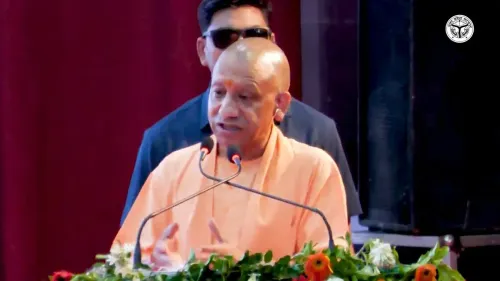
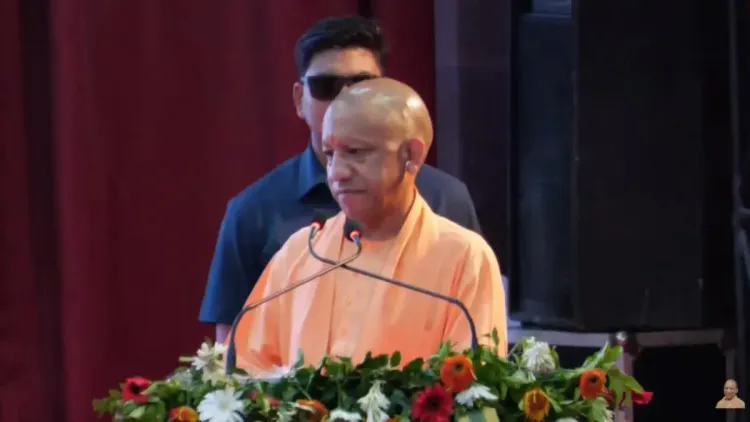
Uttar Pradesh Chief Minister Yogi Adityanath announced on Thursday, 18 June 2026 that his government has identified 27 districts along the banks of the Ganga and 7 districts in Bundelkhand for a dedicated natural farming initiative, signalling a significant expansion of chemical-free agriculture across the state.
Context
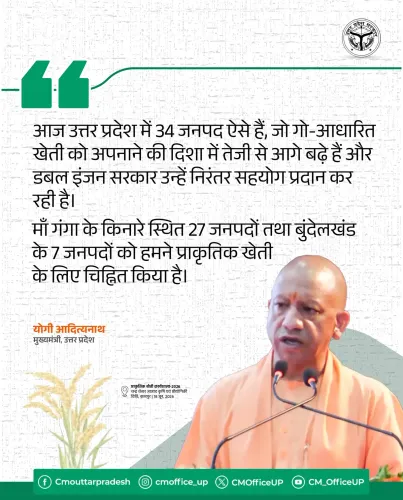
In his post, CM Yogi stated — 'Maa Ganga ke kinare sthit 27 janpad aur Bundelkhand ke 7 janpad ko hamne prakritik kheti ke liye chinhit kiya hai' ('We have identified 27 districts situated on the banks of Mother Ganga and 7 districts of Bundelkhand for natural farming'). The announcement covers a combined 34 districts, encompassing a substantial share of the state's agricultural land. The identification of these districts is framed as a step toward reducing chemical runoff into the Ganga while simultaneously addressing agrarian stress in drought-prone Bundelkhand.
Policy Backdrop
The move sits within a decade-long policy thread linking river conservation with low-chemical agriculture. The central government's Namami Gange programme, launched in 2014, explicitly included provisions for organic and natural farming clusters along the river to reduce non-point source pollution from chemical fertilisers and pesticides. Complementing this, the Paramparagat Krishi Vikas Yojana, started in 2015, has supported organic farming clusters across states, including Uttar Pradesh.
Uttar Pradesh expanded natural farming pilots in the Ganga basin from 2018 onward under state horticulture and agriculture missions. Thursday's announcement suggests the government is now formalising and scaling that effort by designating specific districts rather than operating through ad hoc pilots. Bundelkhand's inclusion is notable given the region's chronic water scarcity and history of agrarian distress, where lower input costs from natural farming methods could offer direct economic relief to farmers.
Stakeholders and Impact
The primary beneficiaries are farmers in the Ganga basin and Bundelkhand — two distinct but equally vulnerable agricultural communities. Ganga basin farmers face pressure to reduce chemical use as part of river-pollution abatement goals, while Bundelkhand farmers contend with erratic rainfall and high input costs that natural farming techniques can help mitigate. Soil health improvement and reduced dependence on purchased chemical inputs are the most immediate gains cited by agricultural extension experts for such transitions.
The broader ecological benefit targets the Ganga itself: agricultural runoff carrying nitrogen and phosphorus from fertilisers is a significant contributor to river pollution, and shifting even a portion of the identified districts to natural farming methods would reduce that load. Similar natural farming cluster notifications in other Ganga riparian states have demonstrated measurable reductions in chemical runoff over multi-year periods.
What's Next
The immediate focus will be on rolling out farmer training programmes and establishing certification pathways for natural farming produce in the 34 identified districts. Supplementary budget allocations in the next state agriculture policy cycle will be closely watched as an indicator of the government's financial commitment to the initiative. Coordination between state agricultural extension offices and central Namami Gange implementing agencies will be essential to translate the district-level identification into on-ground practice at scale.
Point of View
The government creates a measurable, accountable unit that can be cited in future policy reviews and election narratives. The alignment with central schemes like Namami Gange and Paramparagat Krishi Vikas Yojana also positions the state to access additional central funding. The real test will be whether training infrastructure and procurement linkages are built fast enough to prevent farmer dropout during the transition away from chemical inputs.
NationPress
19 Sept 2026
Frequently Asked Questions
Which districts in UP have been identified for natural farming by CM Yogi?
CM Yogi Adityanath announced that 27 districts along the banks of the Ganga and 7 districts in Bundelkhand — a total of 34 districts — have been identified for natural farming in Uttar Pradesh.
What is natural farming and how does it differ from organic farming?
Natural farming avoids all synthetic chemical inputs, relying instead on farm-derived inputs like cow dung and plant-based preparations; it is broadly aligned with organic farming but typically involves even fewer external inputs and lower costs for smallholder farmers.
How does natural farming help the Ganga?
Chemical fertilisers and pesticides used in conventional farming leach into waterways, contributing to nutrient pollution in the Ganga. Shifting to natural farming in Ganga-bank districts reduces this non-point source runoff, supporting the goals of the Namami Gange programme.
What is the Namami Gange scheme and its link to farming?
Namami Gange is a central government flagship programme launched in 2014 for Ganga rejuvenation; it includes specific components to promote organic and natural farming clusters along the river to curb agricultural chemical pollution.
Why is Bundelkhand included in UP's natural farming plan?
Bundelkhand is a drought-prone region with high agrarian distress; natural farming lowers dependence on purchased chemical inputs, which can reduce costs for farmers in the region and improve soil health over time.