CM Yogi Chairs Natural Farming Workshop in Kanpur
Synopsis
Uttar Pradesh Chief Minister Yogi Adityanath attended the 'Prakritik Kheti Karyashala-2026' and a farmer-honour ceremony in Kanpur on 18 June 2026, reinforcing the state government's push for chemical-free agriculture under national sustainable farming schemes.
Key Takeaways
CM Yogi Adityanath attended the Prakritik Kheti Karyashala-2026 in Kanpur on 18 June 2026 .
The event combined a natural farming workshop with a formal farmer-recognition ceremony.
The programme aligns with the national Paramparagat Krishi Vikas Yojana , active in UP since 2015 .
Similar district-level workshops have been held across BJP-governed states since 2018-19 .
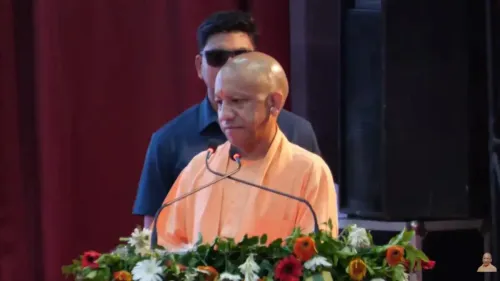
The Chief Minister broadcast the event live, extending its reach beyond Kanpur to farmers statewide.
District-level adoption targets and new budgetary allocations from the workshop remain to be announced.
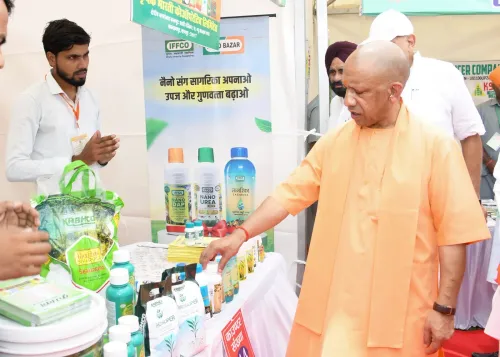
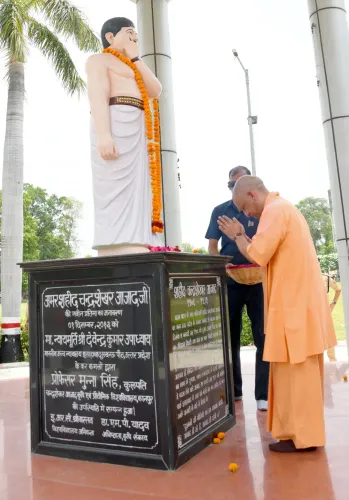
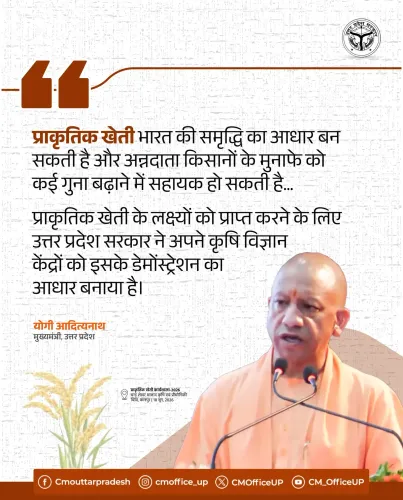
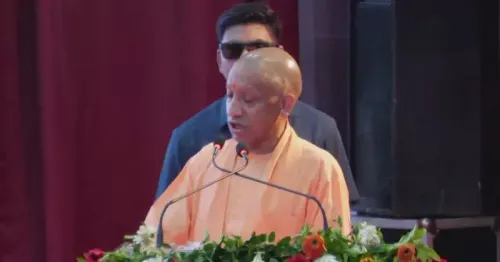
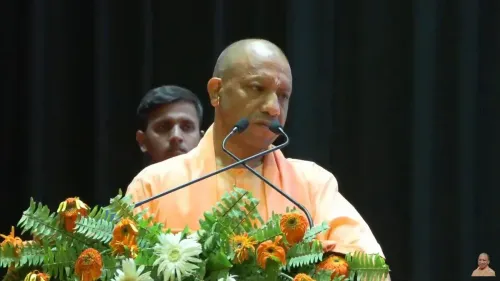
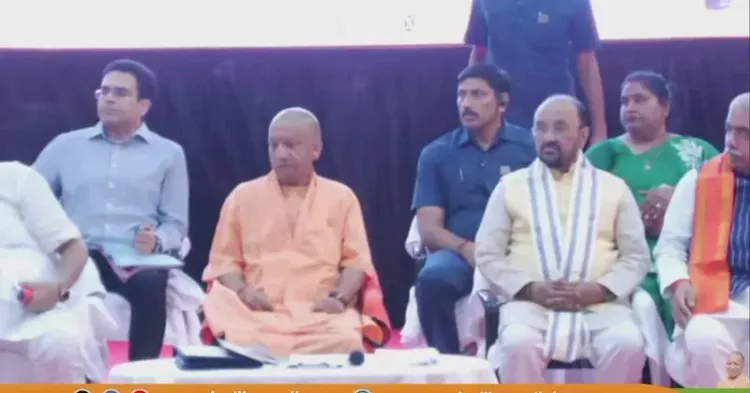
Uttar Pradesh Chief Minister Yogi Adityanath attended the 'Prakritik Kheti Karyashala-2026' (Natural Farming Workshop 2026) and a farmer-honour ceremony held in Kanpur district on Thursday, 18 June 2026, marking a fresh push by the state government to scale chemical-free agriculture across the region.
Context
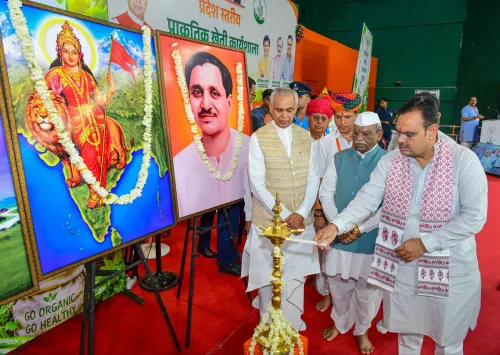
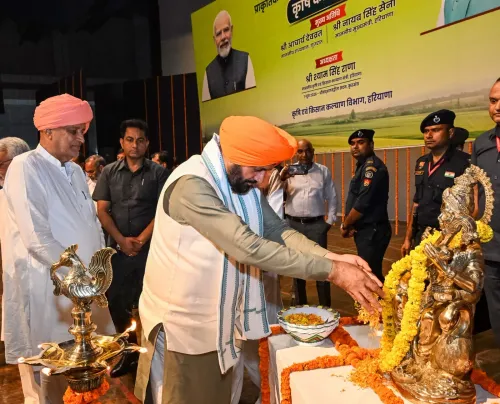
The Chief Minister shared details of the event on X, describing it as 'Prakritik Kheti Karyashala-2026 evam krishakon ke samman hetu janpad Kanpur mein aayojit karyakram' — a workshop on natural farming combined with a public recognition ceremony for farmers in Kanpur. The dual-purpose format — technical sessions alongside formal felicitation of cultivators — reflects the state's approach of pairing knowledge transfer with public acknowledgement of farming communities.
Kanpur, one of Uttar Pradesh's major districts, served as the venue, signalling the government's intent to extend the natural farming agenda beyond purely rural clusters into a broader urban-fringe agricultural belt.
Policy Backdrop
The workshop sits within a longer policy lineage. The Uttar Pradesh government has promoted chemical-free and organic farming under state-level extensions of the national Paramparagat Krishi Vikas Yojana since 2015, a centrally sponsored scheme designed to cluster farmers around traditional and sustainable cultivation methods.
Similar district-level workshops and farmer-recognition programmes have been rolled out across several BJP-governed states since 2018-19, aligning with the national emphasis on reducing input costs, improving soil health, and building a sustainable agriculture ecosystem. The 2026 edition in Kanpur continues that pattern at the state level.
Yogi Adityanath, who has served as Chief Minister since 2017 and also heads the Gorakhnath Math, has consistently foregrounded agricultural and rural development initiatives as pillars of the state's governance narrative.
Stakeholders and Impact
The primary beneficiaries are Uttar Pradesh farmers, particularly those willing to transition away from chemical-intensive inputs toward natural alternatives. For smallholder cultivators, natural farming promises lower recurring costs on fertilisers and pesticides — a significant financial consideration in a state where agriculture supports a large share of the rural workforce.
The recognition component of the event carries symbolic weight: publicly honouring farmers who have adopted natural methods provides social validation and can serve as an incentive for peers to follow suit. District-level ceremonies of this kind have historically helped state governments build grassroots momentum for agriculture policy shifts.
What's Next
Observers will watch for any district-level adoption targets or fresh budgetary allocations for natural farming clusters that may emerge from the Kanpur workshop. The event's broadcast format — the Chief Minister linked to a live stream — suggests the government intends the messaging to reach farmers and officials across the state, not just those physically present in Kanpur. The scale and follow-through of post-workshop implementation will determine whether the 2026 edition translates into measurable on-ground change for Uttar Pradesh's farming communities.
Point of View
The administration frames natural farming not merely as an agronomic choice but as a values-driven identity for cultivators. The live-broadcast format amplifies the reach well beyond a single district, effectively turning a local event into a statewide messaging exercise. Whether the initiative produces durable adoption will depend on post-workshop extension support and financial incentives that go beyond ceremony.
NationPress
18 Sept 2026
Frequently Asked Questions
What is the Prakritik Kheti Karyashala 2026 in Kanpur?
It is a state-level natural farming workshop organised in Kanpur district on 18 June 2026, combining technical sessions on chemical-free cultivation with a ceremony to honour farmers who have adopted sustainable practices.
Why did CM Yogi Adityanath attend a farming workshop in Kanpur?
Yogi Adityanath attended to reinforce the Uttar Pradesh government's push for natural farming, a policy priority aligned with the national Paramparagat Krishi Vikas Yojana, and to publicly recognise farmers making the transition away from chemical inputs.
What is the Paramparagat Krishi Vikas Yojana?
It is a centrally sponsored scheme launched in 2015 that clusters farmers around traditional and organic cultivation methods, aiming to reduce chemical use, lower input costs, and improve soil health. Uttar Pradesh has extended the scheme through state-level programmes.
How does natural farming benefit UP farmers?
Natural farming can significantly reduce recurring expenditure on chemical fertilisers and pesticides, which is a major cost burden for smallholder farmers. It also aims to improve long-term soil health and reduce environmental degradation.
What should we watch for after the Kanpur natural farming workshop?
Key things to watch include any district-level adoption targets announced by the UP government, fresh budgetary allocations for natural farming clusters, and the rollout of extension support to help farmers practically implement the methods discussed at the workshop.