CM Yogi attends Natural Farming Workshop 2026 in Kanpur
Synopsis
Uttar Pradesh Chief Minister Yogi Adityanath attended the Natural Farming Workshop-2026 in Kanpur on 18 June, honoured outstanding farmers, and called natural farming an effective path to building healthy, prosperous future generations. The event advances the state's push for chemical-free agriculture across its vast farming population.
Key Takeaways
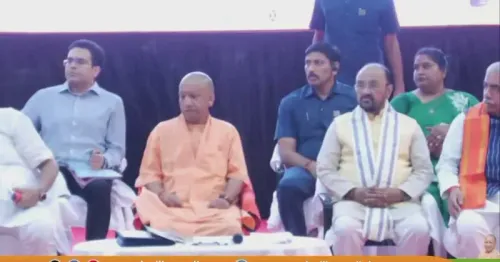
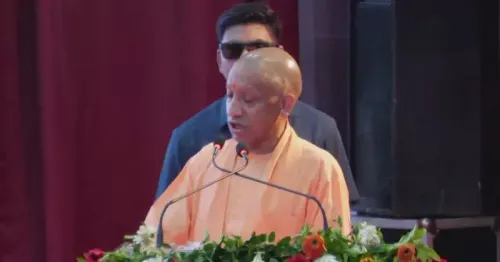
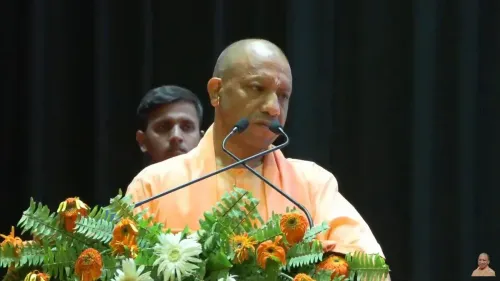
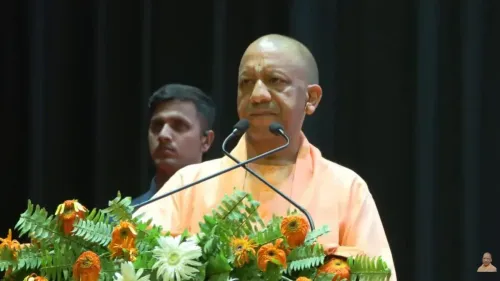
CM Yogi Adityanath attended the Natural Farming Workshop-2026 in Kanpur on 18 June 2026 .
The workshop aimed to promote natural farming and connect farmers with the latest agricultural technology.
Farmers who demonstrated excellence in natural farming were formally felicitated at the event.
Uttar Pradesh has been expanding natural farming clusters since 2021-22 , covering thousands of hectares under chemical-free cultivation.
The state's natural farming push aligns with national schemes on organic and zero-budget agriculture, targeting soil health and reduced input costs.
District-level workshops and further state budget allocations for natural farming inputs are anticipated as follow-up measures.
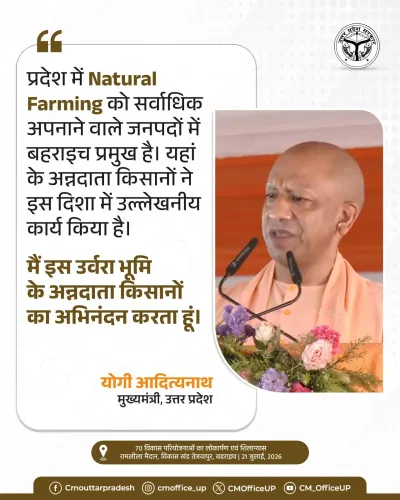
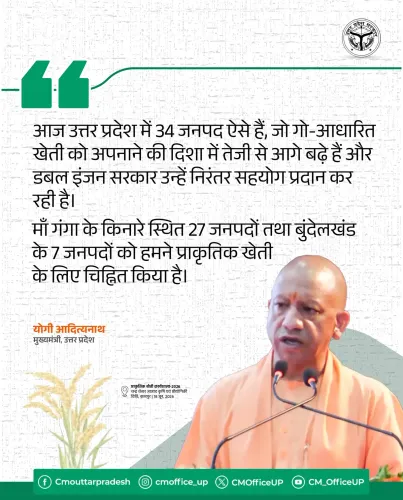
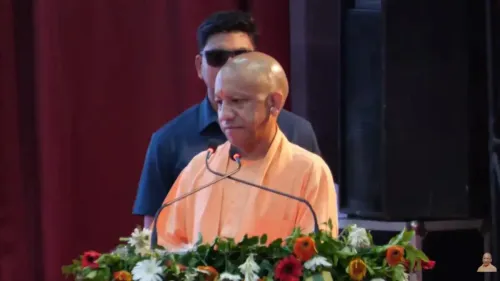
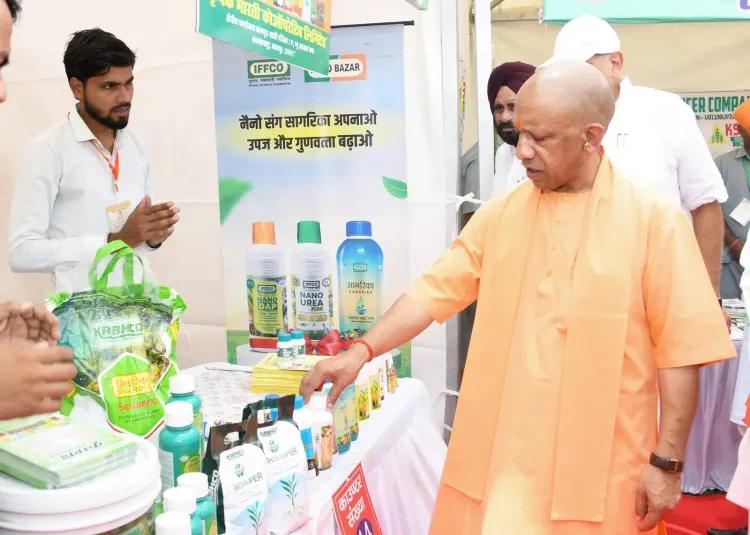
Uttar Pradesh Chief Minister Yogi Adityanath attended the 'Natural Farming Workshop-2026' in Kanpur on Thursday, 18 June 2026, reaffirming the state government's push to promote chemical-free agriculture and connect farmers with modern techniques. The Chief Minister also honoured farmers who have demonstrated excellence in natural farming practices.
Posting on X, the Chief Minister wrote: 'Aane wali peedhiyaan swasth, sashakt aur samridh banein, prakritik kheti is disha mein ek prabhavi madhyam ban sakti hai' — 'So that coming generations are healthy, empowered and prosperous, natural farming can be an effective medium in this direction.' He added that the workshop was convened to encourage natural agriculture and link annadata (provider) farmers with the latest technology.
Context
Kanpur, one of Uttar Pradesh's largest cities, hosted the state-level workshop bringing together farmers, agriculture officials and policymakers. The event served as both a knowledge-sharing platform and a felicitation ceremony, with outstanding practitioners of natural farming receiving formal recognition from the Chief Minister.
The term annadata — literally 'giver of food' — is widely used in Indian political discourse to refer to the farming community, and its use by Yogi Adityanath underscores the government's framing of agriculture as a vocation deserving of dignity and state support.
Policy Backdrop
Uttar Pradesh expanded its natural farming clusters and training programmes after 2021-22, progressively bringing thousands of hectares under chemical-free cultivation. The state's approach is aligned with central government schemes promoting organic and zero-budget natural farming as tools for reducing input costs and improving soil health.
Natural farming — which typically relies on cow-based inputs such as jeevamrit and bijamrit rather than synthetic fertilisers and pesticides — has been championed across several Indian states as a response to soil degradation, rising input costs and the need for climate-resilient agriculture. Yogi Adityanath, as head of the Gorakhnath Math, has historically emphasised cow-based farming within the state's agricultural policy framework.
The broader national push connects to public health objectives as well: reducing chemical residues in the food chain is increasingly cited by policymakers as a reason to accelerate the transition away from input-intensive farming models.
Stakeholders and Impact
Uttar Pradesh has the largest farming population of any Indian state, making shifts in its agriculture policy consequential at a national scale. Small and marginal farmers — who form the bulk of the state's agricultural workforce — stand to benefit most from reduced input costs associated with natural farming methods.
The felicitation of progressive farmers at the Kanpur workshop is intended to create visible role models within farming communities, encouraging peer-to-peer adoption of chemical-free techniques. State-level recognition of this kind has historically helped accelerate grassroots uptake of new agricultural practices.
What's Next
The government is expected to follow the Kanpur workshop with district-level training events, expanding the reach of natural farming education across Uttar Pradesh's 75 districts. Budget allocations for natural farming inputs and possible integration with a forthcoming national framework on sustainable agriculture will be closely watched by the farming community and policy observers alike.
The trajectory suggests that natural farming will remain a central pillar of the state's agricultural roadmap, with the 2026 workshop marking a visible public commitment by the Chief Minister ahead of further policy announcements.
Point of View
The Chief Minister is using symbolic statecraft to accelerate grassroots adoption — a tactic that has worked in other states where visible political endorsement drove farmer uptake. The framing around 'healthy future generations' also broadens the constituency for natural farming beyond agrarian economics into public health, giving the policy wider political appeal. With national sustainable agriculture frameworks in the pipeline, Uttar Pradesh is positioning itself as a lead state in this transition.
NationPress
18 Sept 2026
Frequently Asked Questions
What is the Natural Farming Workshop-2026 in Kanpur?
The Natural Farming Workshop-2026 is a state-level event held in Kanpur, Uttar Pradesh, on 18 June 2026, organised to promote chemical-free farming techniques and felicitate farmers who have excelled in natural agriculture. Chief Minister Yogi Adityanath attended and addressed the gathering.
What is natural farming and how is it different from organic farming?
Natural farming relies on locally available, primarily cow-based inputs such as jeevamrit and bijamrit, avoiding all synthetic fertilisers and pesticides. While organic farming may still use certified external inputs, natural farming emphasises a closed-loop, zero-external-cost model rooted in traditional Indian agricultural knowledge.
What has Uttar Pradesh done to promote natural farming?
Uttar Pradesh expanded natural farming clusters and training programmes after 2021-22, progressively bringing thousands of hectares under chemical-free cultivation. The state has integrated these practices into its broader agriculture roadmap alongside central government schemes.
Why is CM Yogi Adityanath promoting natural farming?
CM Yogi Adityanath has framed natural farming as a means to ensure healthy future generations, reduce chemical residues in the food chain, lower input costs for farmers, and build climate-resilient agriculture in Uttar Pradesh, which has the country's largest farming population.
What happens after the Kanpur natural farming workshop?
District-level workshops are expected to follow, extending natural farming training across Uttar Pradesh's 75 districts. State budget allocations for natural farming inputs and possible linkage with a national sustainable agriculture framework are also anticipated.