CM Yogi urges UP to light a diya for martyrs this Diwali
Synopsis
Chief Minister Yogi Adityanath, through the official UP CMO account, has called on Uttar Pradesh residents to light at least one lamp at their neighbourhood temples, martyr memorials, and statues of martyrs as part of Diwali 2026 celebrations.
Key Takeaways
CM Yogi Adityanath posted the Diwali appeal via the official Chief Minister's Office of Uttar Pradesh account on November 1, 2026 .
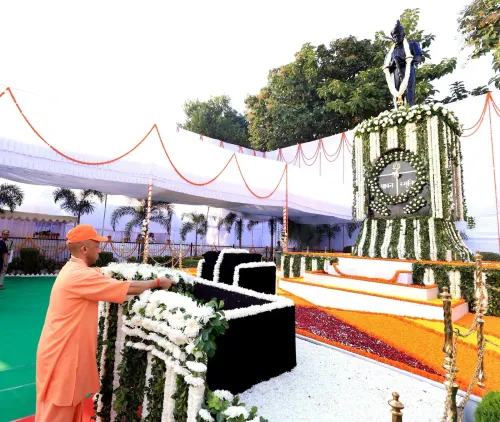
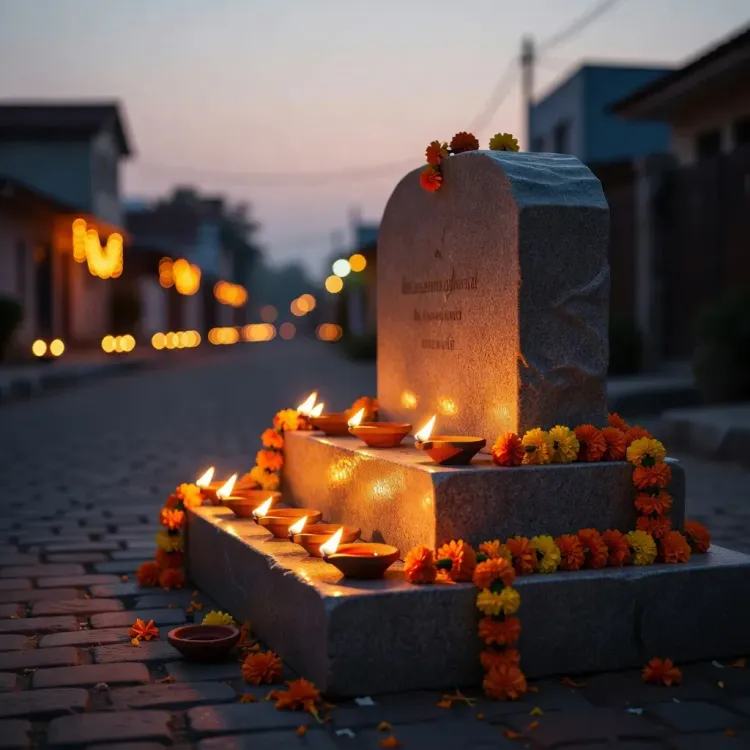
Residents are urged to light one lamp each at a neighbourhood temple, a Shaheed Smarak (martyr memorial), and near statues of martyrs.
The appeal emphasises neighbourhood-level participation — apne mohalle — rather than large public events.
The message blends religious observance (Diwali) with patriotic remembrance of freedom fighters and armed forces martyrs.
Uttar Pradesh has a strong tradition of linking Diwali celebrations with civic and national remembrance.
This Diwali, Chief Minister Yogi Adityanath wants every lamp lit to carry a double meaning — one for the goddess, one for the soldier. The Chief Minister's Office of Uttar Pradesh posted a message on Sunday, November 1, 2026, asking citizens to walk over to their neighbourhood temple, their local martyr memorial, and the statues of shaheedon (martyrs) and light at least one lamp at each.
The message in full: 'Deepawali par apne mohalle ke mandir, shaheed smarak aur shaheedon ki pratimaon ke paas bhi ek-ek deep avashya prajjwalit karein.' — 'On Diwali, do light at least one lamp each at the temple in your neighbourhood, at the martyr memorial, and near the statues of martyrs.'Diwali and the martyr's flame — a deliberate pairing
Diwali, the festival of lights, is observed across India as a celebration of the victory of light over darkness. But the Chief Minister's appeal adds a layer of civic remembrance to the ritual, drawing an explicit link between the festive flame and the sacrifice of those commemorated at Shaheed Smarak sites — memorials dedicated to freedom fighters and armed forces personnel who gave their lives in service of the country.
The pairing is not accidental. Uttar Pradesh, home to some of India's most storied freedom-struggle history and a state that contributes significantly to the armed forces, has long observed a tradition of marking national sacrifice alongside religious celebration. By naming mohalla temples, martyr memorials, and statues of martyrs in one sentence, the message asks residents to treat a short neighbourhood walk as both a devotional act and a patriotic one.
Why the neighbourhood, not just the grand venue
Yogi Adityanath, who has served as Chief Minister since 2017, has consistently used official social media to frame festival messaging around community-level participation rather than large, centralised events. The deliberate emphasis on 'apne mohalle' — 'your own neighbourhood' — grounds the appeal in the local and the personal, asking not for a grand gesture but for a single lamp, placed deliberately, in a place most residents already pass on their daily route.
It is a small act with a pointed ask: that the glow of Diwali touch not only the front door but also the stone face of a soldier forgotten between Republic Days.
Point of View
Who has built his political brand on the intersection of Hindutva and governance, a Diwali message that names both the temple and the martyr memorial in one breath is consistent messaging, not an improvisation. The strategic value lies in its reach: a single social media post, shared during peak festive engagement, nudges millions toward a civic act that costs nothing but carries symbolic weight. Whether residents act on it or not, the framing successfully positions the Chief Minister's Office as the keeper of both the spiritual and the patriotic flame.
NationPress
1 Nov 2026
Frequently Asked Questions
What did CM Yogi say about Diwali 2026?
CM Yogi Adityanath urged Uttar Pradesh residents to light at least one lamp each at their neighbourhood temple, at the local martyr memorial (Shaheed Smarak), and near statues of martyrs on Diwali.
What is a Shaheed Smarak?
A Shaheed Smarak is a memorial site in India dedicated to martyrs — including freedom fighters and armed forces personnel who gave their lives for the country.
Why did CM Yogi link Diwali to martyr memorials?
The appeal blends religious celebration with patriotic remembrance, a tradition in Uttar Pradesh, asking citizens to honour soldiers and freedom fighters alongside the festival of lights.
When did CM Yogi post the Diwali message?
The message was posted by the Chief Minister's Office of Uttar Pradesh on Sunday, November 1, 2026, through the official CMO account on X.
Which state is CM Yogi Adityanath the Chief Minister of?
Yogi Adityanath is the Chief Minister of Uttar Pradesh, serving in the role since 2017.