CM Yogi: Vande Bharat Sleeper to cut Kashi-Delhi run to 8 hrs
Synopsis
Chief Minister Yogi Adityanath says the Vande Bharat Sleeper train will reduce the Varanasi-Delhi rail journey from 13-14 hours to 8-9 hours, bringing modern amenities and significant time savings to one of India's busiest and most symbolic rail corridors.
Key Takeaways
The Vande Bharat Sleeper train will cover the Varanasi (Kashi)–Delhi route in 8 to 9 hours , down from the current 13 to 14 hours .
CM Yogi Adityanath highlighted the train's modern technology and advanced amenities as key benefits for passengers.
The Varanasi–Delhi corridor was the route of India's very first Vande Bharat Express , launched in 2019 .
The sleeper variant is part of Indian Railways' broader Vande Bharat fleet expansion on high-traffic intercity routes.
The announcement signals a significant upgrade for Uttar Pradesh passengers, including pilgrims, traders, and daily commuters.
The specific operational launch date for this service has not been officially confirmed in this announcement.
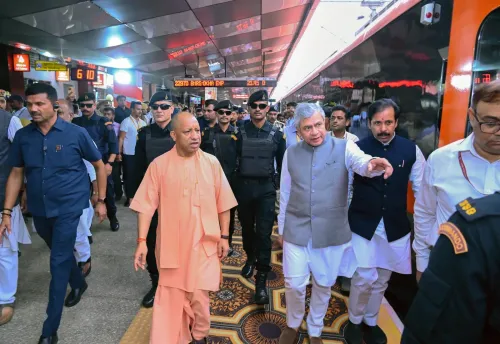
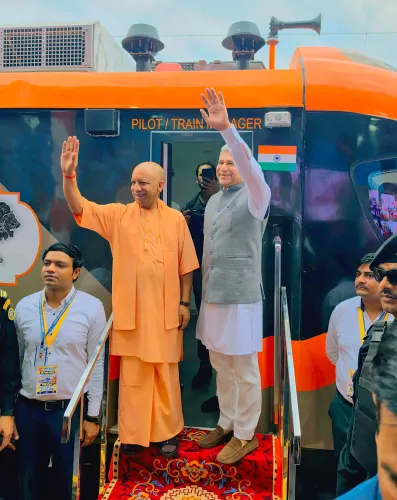
A journey that once consumed the better part of a waking day is about to shrink by nearly half. Chief Minister Yogi Adityanath of Uttar Pradesh has highlighted that the Vande Bharat Sleeper train will cover the Varanasi (Kashi)–Delhi corridor in just 8 to 9 hours, slashing what was previously a gruelling 13 to 14-hour rail journey.
The Chief Minister's Office posted the statement on 31 October 2026, quoting CM Yogi directly: 'काशी से दिल्ली की दूरी रेल से तय करने में पहले 13 से 14 घंटे लगते थे, लेकिन वंदे भारत स्लीपर ट्रेन अब यह दूरी मात्र 8 से 9 घंटे में तय करेगी' — 'The rail distance from Kashi to Delhi used to take 13 to 14 hours, but the Vande Bharat Sleeper train will now cover it in just 8 to 9 hours.' The train, he added, would save passengers both time and effort while making the journey significantly more comfortable, thanks to modern technology and advanced amenities.From overnight ordeal to a single working session
The numbers tell a stark story. A 13-to-14-hour overnight slog between two of India's most symbolically and economically important cities — Varanasi, the ancient spiritual capital of the country, and New Delhi, the seat of national power — has long been a rite of passage for millions of pilgrims, students, traders, and bureaucrats alike. Cutting that to 8 to 9 hours means the journey can now be completed within a single daytime window, without the passenger losing a full night's sleep or an entire working day.
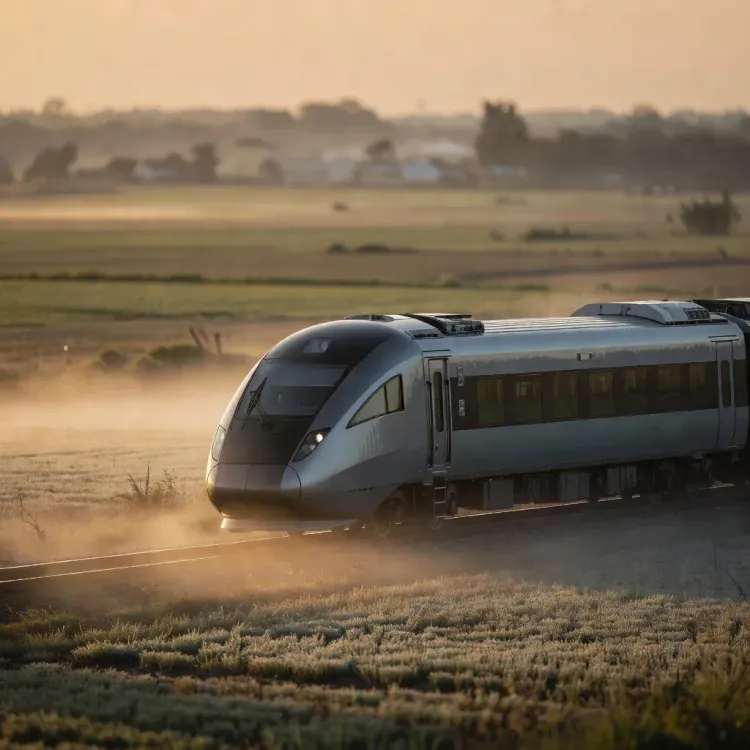
The Vande Bharat Sleeper is a semi-high-speed variant of Indian Railways' flagship Vande Bharat Express programme, adding overnight sleeper coaches to the speed and onboard technology that made the original chair-car version popular. Indian Railways has been expanding the Vande Bharat fleet systematically on high-traffic corridors as part of a broader modernisation drive, with the Varanasi–Delhi route among the most heavily used in the country.
Kashi's rail story — from the 2019 launch to the sleeper leap
The Varanasi–Delhi axis has been a testing ground for Indian Railways' ambitions before. The very first Vande Bharat Express was flagged off between Delhi and Varanasi in 2019, signalling the government's intent to make semi-high-speed travel accessible on a route that matters both politically and spiritually. The sleeper variant now represents the next rung on that ladder — not just faster, but capable of replacing overnight trains that have defined the route for decades.
For Uttar Pradesh — India's most populous state — faster, more comfortable rail links between its largest cities and the national capital carry outsized economic weight. Varanasi is simultaneously a pilgrimage destination drawing millions annually and a growing hub for trade and tourism under ongoing urban and infrastructure upgrades.
The specific operational launch date for this sleeper service has not been officially confirmed in this announcement, but the political signal from the Chief Minister's Office is clear: the upgrade is on the horizon, and the state government is positioning it as a tangible dividend of railway modernisation for UP's commuters and pilgrims alike.
When that first Vande Bharat Sleeper glides out of Kashi toward Delhi in under nine hours, it will carry more than passengers — it will carry the proof of a promise.
Point of View
Making every rail upgrade there doubly loaded with symbolic weight. Positioning the state government as a vocal champion of this railway modernisation — even though Indian Railways is a central subject — reflects a deliberate strategy to claim credit for visible, tangible improvements ahead of electoral cycles. The broader pattern of Vande Bharat expansion on UP corridors suggests the Centre and state are aligned on using speed and comfort as a proxy for governance delivery.
NationPress
1 Nov 2026
Frequently Asked Questions
How long will the Vande Bharat Sleeper take from Varanasi to Delhi?
According to CM Yogi Adityanath, the Vande Bharat Sleeper train will cover the Varanasi (Kashi) to Delhi distance in 8 to 9 hours, compared to the current 13 to 14 hours by regular trains.
What is the Vande Bharat Sleeper train?
The Vande Bharat Sleeper is a semi-high-speed train variant under Indian Railways' modernisation programme, adding overnight sleeper coaches to the speed and technology of the existing Vande Bharat Express.
When was the first Vande Bharat Express launched on the Varanasi-Delhi route?
The first Vande Bharat Express between Delhi and Varanasi was launched in 2019, making it one of the inaugural routes for this flagship train series.
What did CM Yogi say about the Vande Bharat Sleeper train?
CM Yogi Adityanath said the Vande Bharat Sleeper will reduce the Kashi-Delhi journey from 13-14 hours to just 8-9 hours, saving passengers time and effort while offering modern amenities for a more comfortable trip.
When will the Vande Bharat Sleeper start on the Kashi-Delhi route?
The specific operational launch date for the Vande Bharat Sleeper on the Varanasi-Delhi corridor has not been officially confirmed in the current announcement from the Chief Minister's Office.