CM Yogi Courts Japan for UP Investment and Buddhist Ties
Synopsis
Uttar Pradesh CM Yogi Adityanath held a diplomatic meeting with Japan's Ambassador and JETRO India's chief to boost Japanese investment in UP and strengthen cultural ties between Sarnath and Nara Prefecture, on the sidelines of the Uttar Pradesh International Trade Show 4.0.
Key Takeaways
CM Yogi Adityanath met Japan Ambassador ONO Keiichi and JETRO India Chief Director General Daisaku Yukita on 25 September 2026 .
Discussions covered investment, economic development and cultural exchange between Uttar Pradesh and Japan.
The Uttar Pradesh International Trade Show 4.0 is being used as a platform to connect UP entrepreneurs with Japanese businesses.
Shared Buddhist heritage between Sarnath (UP) and Nara Prefecture (Japan) was highlighted as a cultural diplomacy lever.
JETRO 's involvement signals structured, operational intent rather than symbolic outreach alone.
The meeting reflects a growing trend of sub-national diplomacy by Indian states directly courting foreign investors.
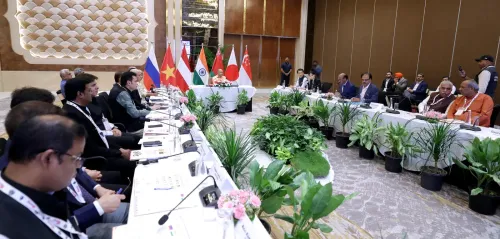
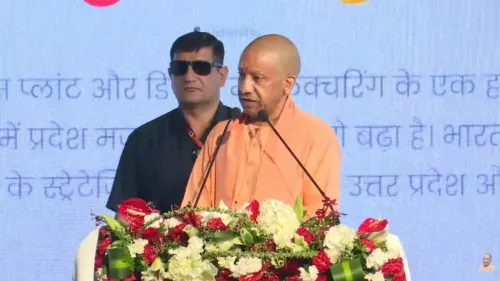
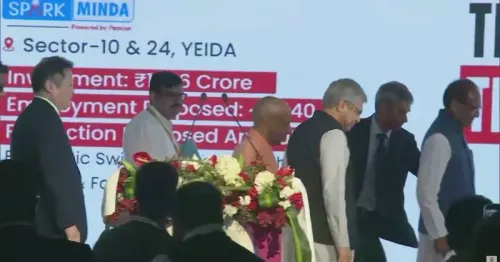
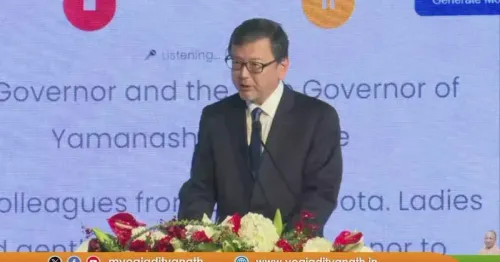
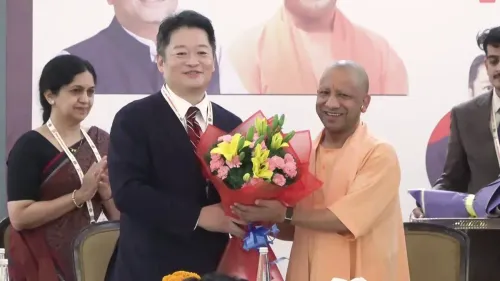
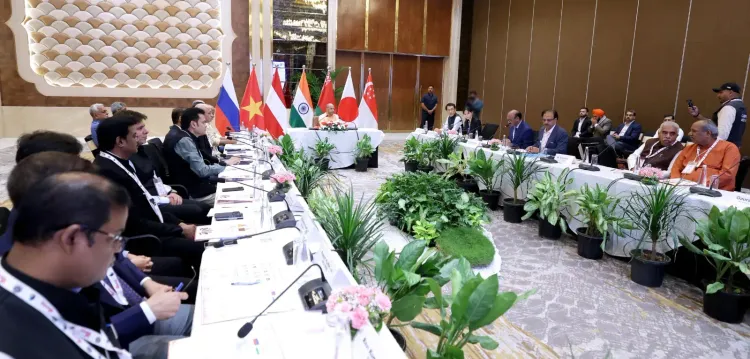
Trade diplomacy and temple heritage walked into the same room on Friday, 25 September 2026, when Uttar Pradesh Chief Minister Yogi Adityanath sat down with Japan's Ambassador to India, ONO Keiichi, and Daisaku Yukita, Chief Director General of JETRO India, to chart a deeper economic and cultural partnership between Uttar Pradesh and Japan.
The Chief Minister described the exchange as constructive, noting that the conversation ranged from investment and economic development to cultural exchange — a deliberate pairing that has become the signature of UP's outreach to Tokyo. The meeting unfolded against the backdrop of the Uttar Pradesh International Trade Show 4.0, which the government is positioning as its principal window for connecting local entrepreneurs, industries and investors with global business communities, including Japanese firms.
JETRO at the Table: What Japan's Trade Arm Brings
JETRO — the Japan External Trade Organization — is not a ceremonial presence. It is the operational engine Tokyo deploys when it wants its companies to move into overseas markets, providing market intelligence, matchmaking and on-the-ground support. Having Yukita at the table alongside the Ambassador signals that this conversation was grounded in commercial specifics, not diplomatic pleasantries alone. Indian states have increasingly competed for Japanese foreign direct investment in manufacturing, infrastructure and services, and Uttar Pradesh — with its scale, improving logistics and aggressive investor outreach — has sought to position itself near the front of that queue.
Sarnath Meets Nara: The Buddhist Card
The meeting's most distinctive thread was the explicit invocation of shared Buddhist heritage. Sarnath, the site near Varanasi where the Buddha delivered his first sermon, holds deep spiritual significance for millions of Japanese Buddhists. Nara Prefecture, home to some of Japan's oldest Buddhist temples and UNESCO World Heritage sites, mirrors that antiquity on the other side of the ocean. CM Yogi framed this convergence as 'a unique opportunity to deepen the cultural and spiritual connect' — a piece of soft-power diplomacy that can open doors commercial pitches sometimes cannot.
This dual-track approach — commerce plus culture — reflects a broader pattern of sub-national diplomacy in which state governments are no longer passive recipients of central-government foreign policy but active participants, leveraging their own assets to court specific countries. For Uttar Pradesh, Buddhism is both a genuine heritage and a strategic asset that few other Indian states can deploy with the same geographic and spiritual weight.
What the Trade Show 4.0 Is Meant to Deliver
The Uttar Pradesh International Trade Show has run through successive editions as a structured platform for exactly this kind of outreach. The fourth iteration raises the stakes: the government is watching to see whether the diplomatic momentum generated in meetings like this one translates into signed commitments — MoUs, joint ventures, or dedicated Japanese investment corridors within the state. Those outcomes, if they materialise, would be the real measure of Friday's conversation.
For now, the signal is unmistakable: Uttar Pradesh is open for Japanese business — and it is making the case with temples as well as trade figures.
Point of View
Uttar Pradesh is signalling it wants commercially actionable outcomes, not ceremonial goodwill. Invoking the Sarnath-Nara Buddhist axis is a shrewd soft-power move that differentiates UP from rival states in the competition for Japanese FDI. The Trade Show 4.0 framing gives both sides a near-term event to anchor follow-up commitments. Analysts will watch whether any MoUs or investment corridor announcements emerge, which would confirm this as a substantive diplomatic moment rather than an aspirational one.
NationPress
25 Sept 2026
Frequently Asked Questions
Why did CM Yogi meet Japan's Ambassador and JETRO India?
CM Yogi Adityanath met Ambassador ONO Keiichi and JETRO India's Daisaku Yukita to discuss expanding Japanese investment, economic development and cultural exchange with Uttar Pradesh, using the Uttar Pradesh International Trade Show 4.0 as a catalyst.
What is JETRO and why does its involvement matter?
JETRO, the Japan External Trade Organization, facilitates Japanese business expansion overseas. Its presence at the meeting signals that discussions were geared toward practical investment and trade linkages, not just diplomatic protocol.
What is the Uttar Pradesh International Trade Show 4.0?
It is the fourth edition of a recurring platform organised by the Uttar Pradesh government to connect local entrepreneurs, industries and investors with global businesses, including Japanese firms.
What is the connection between Sarnath and Nara Prefecture?
Sarnath in Uttar Pradesh is the site of the Buddha's first sermon and a key pilgrimage destination for Japanese Buddhists, while Nara Prefecture houses some of Japan's oldest Buddhist temples — a shared heritage both sides are exploring for cultural and tourism diplomacy.
How does this meeting fit India's broader relationship with Japan?
Indian states have increasingly pursued Japanese FDI in manufacturing, infrastructure and services. Uttar Pradesh is leveraging both its scale and its Buddhist heritage to compete for Japanese investment at the sub-national level, complementing India's central-government economic partnership with Japan.