CM Yogi: Work starts at 3,955 Ambedkar statue sites
Synopsis
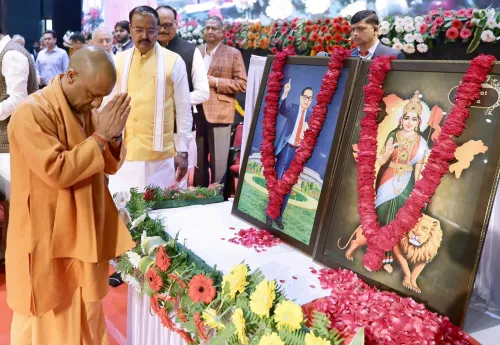
On Constitution Day, the UP CMO said beautification under the Dr. B.R. Ambedkar Murti Vikas Yojana has started at 3,955 of 4,030 identified sites, honouring Ambedkar, Ravidas, Kabir and Valmiki.
Key Takeaways
The Chief Minister's Office of Uttar Pradesh announced the drive on Thursday, 26 November 2026.
It said 4,030 sites were identified for beautification under the Dr.
Ambedkar Murti Vikas Yojana.
Work was inaugurated the same day at 3,955 of those sites across the state.
Chief Minister Yogi Adityanath said the works would be finished within the stipulated time-frame.
Bhimrao Ambedkar, Sadguru Ravidas, Sant Kabir Das and Maharshi Valmiki as the inspirational core.
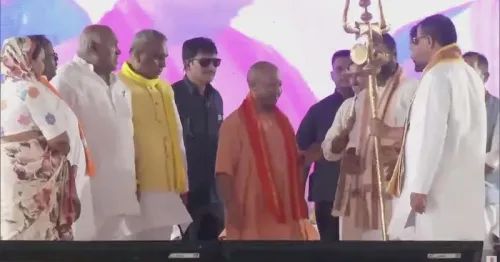
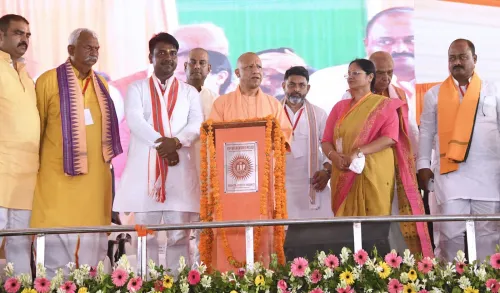
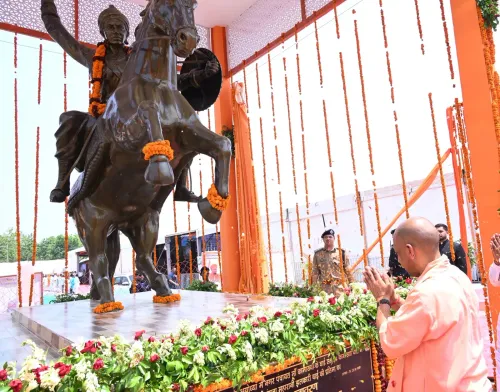
The Chief Minister's Office of Uttar Pradesh announced on Thursday, 26 November 2026 — India's Constitution Day — that beautification work under the Dr. B.R. Ambedkar Murti Vikas Yojana has been inaugurated at 3,955 of 4,030 identified sites across the state. The scale is statewide. The message is aimed at the last rung of society.
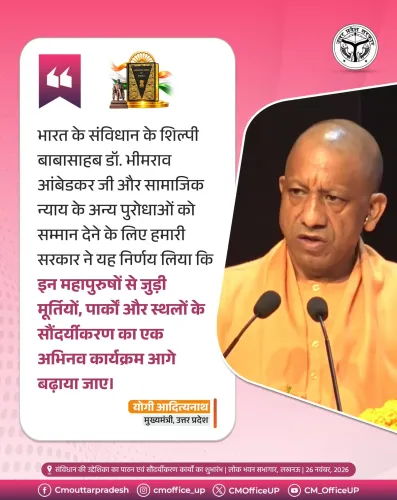
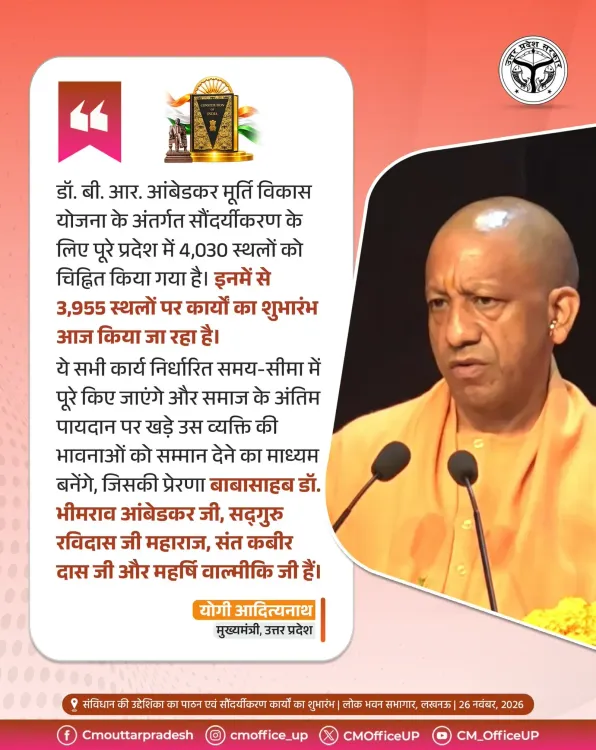
The office carried Chief Minister Yogi Adityanath's own words. He said 4,030 locations had been marked for beautification under the scheme, and that work had begun the same day at 3,955 of them. All of it, he added, would be finished within the stipulated time-frame.
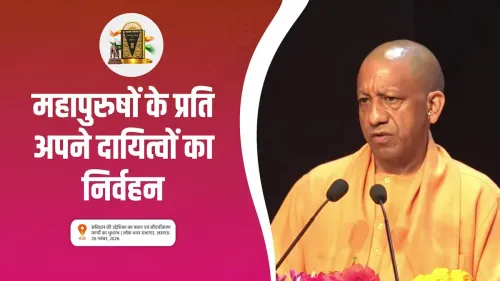
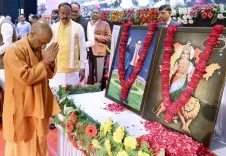
Those works, the Chief Minister said, would become a medium to honour the feelings of the person standing at the last rung of society — a person whose inspiration is Babasaheb Dr. Bhimrao Ambedkar, Sadguru Ravidas Maharaj, Sant Kabir Das and Maharshi Valmiki.
3,955 sites start on a single day
The numbers drive the story. Of the 4,030 sites identified across Uttar Pradesh, the office said inauguration of works covered 3,955 locations on 26 November 2026. A thin remainder is still to start. The package was presented as one statewide push, not a slow district drip.
The Dr. B.R. Ambedkar Murti Vikas Yojana is the government's vehicle for developing and dressing statue sites linked to Ambedkar and other social reformers. Memorial projects of this kind have been a recurring tool of cultural representation in the state, often paired with outreach to Scheduled Caste groups. This drive continues that pattern: local infrastructure, a reformer's name, a claim of respect.
Ambedkar, Ravidas, Kabir and Valmiki on the same plaque
Why these four names together? Dr. B.R. Ambedkar is the chief architect of the Indian Constitution and the most prominent modern leader of the Dalit rights movement. Sant Ravidas, a medieval Bhakti poet-saint, is widely revered among Dalit and artisan communities. Sant Kabir Das, the 15th-century mystic, preached social equality in a language that still cuts across caste. Maharshi Valmiki, traditionally credited with composing the Ramayana, is similarly honoured in many marginalized communities.
The Chief Minister put the last rung first and the saints as the source of inspiration. That is a familiar political grammar in Uttar Pradesh: a pedestal in the neighbourhood, identity at the centre of the message. Dalit communities and followers of these saints are the people this map is meant to reach.
A deadline, and the last-rung test
The promise is a clock. Yogi Adityanath said every identified work would be completed in the prescribed time. What follows is implementation: district progress reports and official reviews of a scheme that now stretches across thousands of sites.
For the person the CM described as standing at the last step of society, the test is concrete. Does the site actually change. Does the honour arrive when the scaffolding comes down.
A statue drive this large is a statement of presence. Delivery, site by site, is the only language that will make it stick.
Point of View
Pairing local construction with the names of Ambedkar and Bhakti saints. This announcement fits that arc: a high site-count, a same-day inauguration burst, and a moral frame about the last rung of society. The political bet is that visible neighbourhood statues convert into a sense of recognition. The governance bet is that thousands of simultaneous works can actually finish on time.
NationPress
26 Nov 2026
Frequently Asked Questions
What is the Dr. B.R. Ambedkar Murti Vikas Yojana?
It is a Uttar Pradesh government scheme for the development and beautification of statue and memorial sites linked to Dr. B.R. Ambedkar and other social reformers. The CMO said 4,030 such sites have been identified statewide.
How many Ambedkar statue sites in UP started work on 26 November 2026?
The Chief Minister's Office of Uttar Pradesh said work was inaugurated at 3,955 of 4,030 identified sites on 26 November 2026. The remaining identified sites had not yet started as of that announcement.
Which saints did CM Yogi name with Ambedkar in this scheme?
Yogi Adityanath named Babasaheb Dr. Bhimrao Ambedkar, Sadguru Ravidas Maharaj, Sant Kabir Das and Maharshi Valmiki. He said they inspire the person standing at the last rung of society.
Why was 26 November chosen for the Ambedkar site announcement?
26 November is Constitution Day in India, marking the adoption of the Constitution in 1949, of which Dr. B.R. Ambedkar was the chief architect. The CMO issued the numbers and inauguration claim on that date; it did not separately spell out a calendar reason.
Who benefits from the Ambedkar Murti Vikas Yojana in Uttar Pradesh?
The Chief Minister framed the works as honouring people at the last rung of society. In practice the sites are tied to Dalit communities and followers of Ambedkar, Ravidas, Kabir and Valmiki across districts.