Indian-waters tuna safe to eat, says CMFRI amid Brazil parasite scare
Synopsis
Amid consumer panic over parasite-laden skipjack tuna caught off Brazil, India's top marine fisheries research body says Indian-coast tuna has shown no signs of harmful infestation — and that India's high-temperature cooking culture provides an extra layer of protection. The clarification is as much a lesson in ecological science as it is a food-safety bulletin.
Key Takeaways
CMFRI confirmed on 22 September that tuna caught in Indian coastal waters is safe to eat.
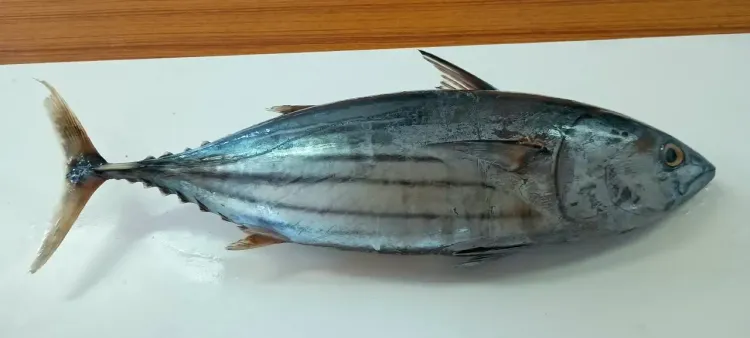
Parasite reports involve skipjack tuna from the Atlantic Ocean off Brazil — not Indian fisheries.
CMFRI Director Dr Grinson George said fish examined by the institute showed no external signs of harmful parasitic infestation .
Parasite prevalence varies by region due to ecological factors including availability of intermediate hosts like copepods .
India's practice of cooking seafood at high temperatures kills parasites and substantially reduces food safety risk.
CMFRI advised consumers to focus on proper handling, cleaning, and thorough cooking rather than avoiding tuna entirely.
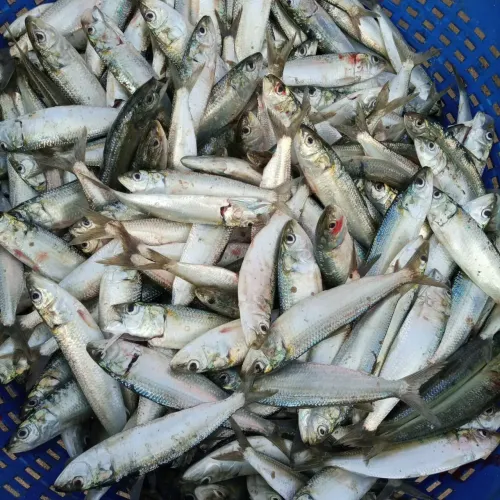
Tuna caught along the Indian coast is safe for consumption, the ICAR-Central Marine Fisheries Research Institute (CMFRI) confirmed on Tuesday, 22 September, seeking to reassure consumers rattled by reports of parasites discovered in skipjack tuna harvested in the Atlantic Ocean off Brazil. The institute was unequivocal: findings from one geographical region cannot be used to assess the safety of fish caught in entirely different waters.
What Triggered the Concern
The alarm arose after reports emerged of parasite infestations in skipjack tuna from the Atlantic Ocean off Brazil, prompting widespread public anxiety about the safety of tuna and related fish sold in Indian markets. Social media amplified the concern, leading many consumers to question whether domestically caught tuna carried similar risks.
The CMFRI moved quickly to contextualise the findings, stressing that parasite prevalence is shaped by local ecological conditions — not a universal characteristic of the species.
What CMFRI Scientists Found
CMFRI Director Dr Grinson George said that fish, including skipjack tuna, examined by the institute's scientists as part of regular fish biology studies have 'not shown external signs of harmful parasitic infestation.'
He explained that the presence of parasites varies significantly from region to region, depending on several ecological factors. The availability of intermediate or secondary hosts — including copepods — can also influence parasite levels in a given area. Notably, scientists routinely use parasite data to identify and differentiate fish stocks across different regions, underscoring that such variation is a known biological reality, not an emergency signal.
Why Indian Tuna Carries Lower Risk
The CMFRI pointed to India's food preparation practices as an additional safety buffer. Unlike countries where raw or lightly cooked seafood is common — where parasite risk is higher if local prevalence is elevated — Indian households typically cook seafood at high temperatures, a practice that kills parasites and substantially reduces any related food safety risk.
The institute also highlighted that thorough cooking is one of the most effective safeguards against parasite-related health issues, regardless of the region from which fish is sourced.
Food Safety Guidelines for Consumers
While reassuring the public, the CMFRI advised consumers to maintain proper food safety practices when handling fish. Key recommendations include:
Quick removal of the intestines and other internal organs during processing; thorough cleaning of the fish before cooking; and cooking at sufficiently high temperatures to eliminate any potential parasites. Dr George urged consumers to focus on these handling practices rather than avoiding tuna altogether on the basis of reports from a specific overseas region.
Nutritional and Economic Significance of Indian Tuna
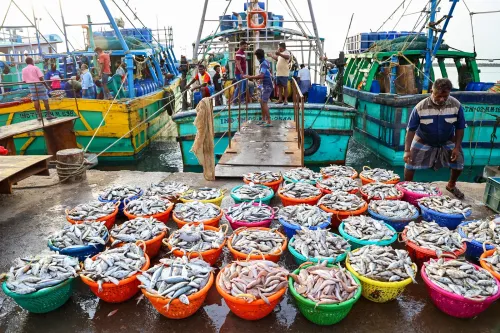
Tuna is widely consumed across India and represents an important source of protein and essential nutrients for millions of households. The fish also supports a significant segment of the country's coastal fishing economy. The CMFRI reiterated that there is no basis for consumers to stop eating tuna caught from Indian waters, and called for a science-informed rather than fear-driven response to the overseas reports.
Point of View
But it also reveals how quickly fish-safety panic can travel across borders in a social-media age, often detached from ecological context. India's marine research establishment responded promptly, yet the episode exposes a gap: there is no standing public communication mechanism to counter viral food-safety misinformation in real time. Tuna is a significant protein source and livelihood for coastal fishing communities; unwarranted consumer boycotts carry real economic consequences. A more proactive monitoring-and-communication framework — not just reactive press releases — would serve both science and the fishing sector better.
NationPress
22 Sept 2026
Frequently Asked Questions
Is tuna caught in Indian waters safe to eat?
Yes. The ICAR-Central Marine Fisheries Research Institute (CMFRI) confirmed on 22 September that tuna caught along the Indian coast is safe for consumption. Fish examined by the institute have shown no external signs of harmful parasitic infestation.
What caused the tuna safety scare in India?
Reports of parasite infestations in skipjack tuna caught in the Atlantic Ocean off Brazil triggered public concern. The anxiety spread to India, prompting CMFRI to clarify that findings from one geographical region cannot be applied to fish caught in Indian waters.
Why do parasite levels differ between Brazil and India?
Parasite prevalence varies significantly between regions because it depends on local ecological conditions, including the availability of intermediate or secondary hosts such as copepods. These conditions differ substantially between the Atlantic Ocean off Brazil and India's coastal waters.
How can consumers reduce any fish-related parasite risk?
CMFRI recommends quickly removing intestines and internal organs during processing, thoroughly cleaning the fish, and cooking it at high temperatures. Proper cooking effectively kills parasites and greatly reduces food safety risk — a practice already common in Indian households.
Should Indian consumers stop eating tuna?
No. CMFRI Director Dr Grinson George said consumers need not avoid tuna or other commercially available fish because of parasite reports from a specific overseas region. He urged the public to focus on proper handling and cooking practices instead.