Chhattisgarh CMO's Aangan Milan Seva Targets Child Nutrition
Synopsis
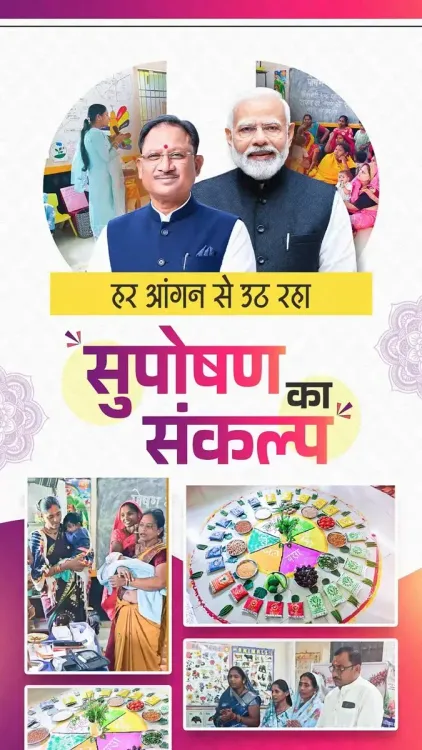
Chhattisgarh's Chief Minister's Office promoted Aangan Milan Seva, a Jan Bhagidari initiative turning Anganwadi centres into community platforms where mothers and caregivers engage in structured conversations on child nutrition, balanced diets, and healthy lifestyles.
Key Takeaways
Aangan Milan Seva uses Chhattisgarh's Anganwadi centres as community dialogue platforms for child nutrition and healthy lifestyles.
The initiative is part of the Seva Sankalp Abhiyan and Viksit Chhattisgarh campaign frameworks announced by the CMO on 27 September 2026 .
Anganwadi centres form the village-level infrastructure of India's Integrated Child Development Services (ICDS) , operational since 1975 .
The Jan Bhagidari (public participation) model aligns with the national Poshan Abhiyan launched in 2018 to combat stunting and anaemia.
Chhattisgarh, located in central-eastern India, is a priority region for nutrition interventions given historically above-average malnutrition rates.
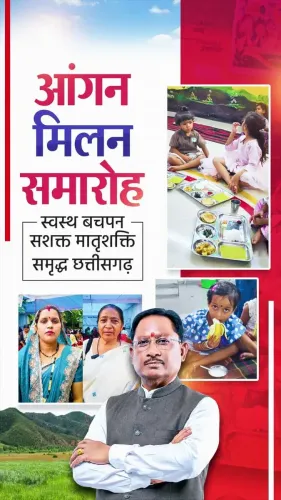
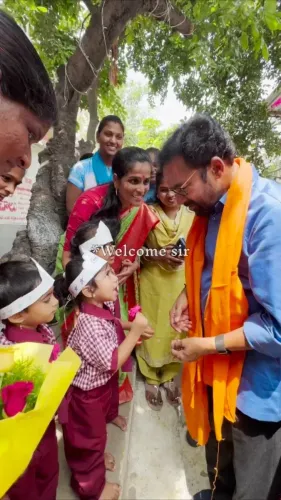
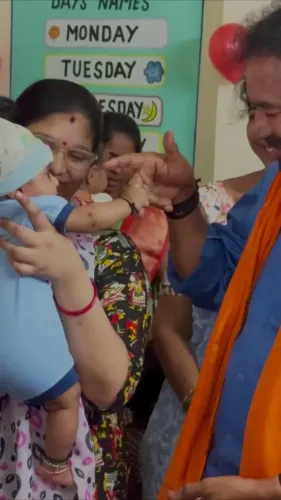
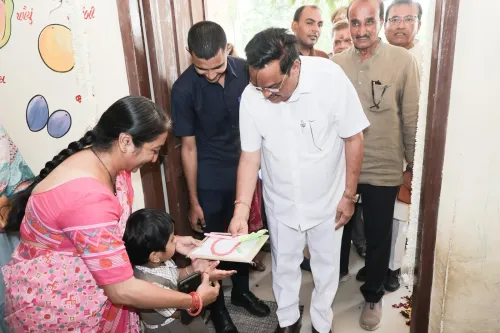
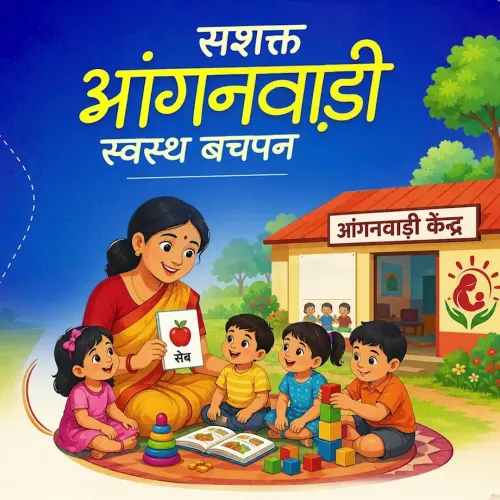
In the courtyards of Chhattisgarh's villages, a quiet conversation is changing how families think about their children's plates. The Chief Minister's Office of Chhattisgarh announced on Sunday, 27 September 2026 that Aangan Milan Seva — a community-engagement initiative run through Anganwadi centres — is drawing mothers and caregivers into structured dialogues on child nutrition, balanced diets, and healthy lifestyles.
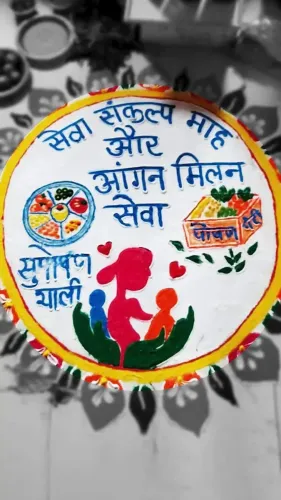
The post, shared under the hashtag campaign #SevaSankalpAbhiyan (Seva Sankalp Abhiyan, or 'Service Resolve Mission'), frames the initiative as a push to transform Anganwadi centres from passive delivery points into active platforms for Jan Bhagidari — public participation. 'A nourished and smiling childhood,' the office wrote, describing centres where parents and children engage together around food and wellness.Anganwadis at the Heart of India's Nutrition Grid
Anganwadi centres are the village-level backbone of India's Integrated Child Development Services (ICDS), the nationwide programme launched in 1975 to deliver supplementary nutrition, preschool education, and health check-ups to children under six and pregnant women. Decades later, they remain the primary touchpoint between the state and rural families on questions of early-childhood health.
The centres gained renewed national momentum after 2018, when the Poshan Abhiyan — India's flagship nutrition mission — placed community mobilisation at Anganwadis at the centre of its strategy to reduce stunting, under-nutrition, and anaemia. The logic was consistent: information delivered through trusted local spaces, with caregivers present rather than passive, sticks far better than top-down outreach.
Why Central and Eastern India Needs These Conversations
Chhattisgarh sits in a region where child malnutrition has historically run above national averages, making community-level nutrition counselling not just useful but urgent. State governments across central and eastern India have increasingly experimented with Jan Bhagidari models — bringing caregivers into the conversation rather than simply distributing services — as a way to improve actual uptake and change household behaviour.
The Aangan Milan Seva model, as described, extends that logic by making each Anganwadi centre a meeting point — aangan means 'courtyard' — where the relationship between the state worker and the mother shifts from transactional to dialogic. Nutritional knowledge, balanced diet planning, and lifestyle guidance become community property, not just government output.
What Marks Progress From Here
The initiative's real test will show up in data: state-level surveys tracking malnutrition prevalence, Anganwadi attendance rates among mothers, and whether parent-engagement modules reach beyond pilot districts. Those numbers, when released, will tell a more complete story than any courtyard meeting can.
For now, the signal from Raipur is deliberate — Chhattisgarh is betting that nourishment begins not on the plate, but in the conversation that precedes it.
Point of View
A state where tribal and rural populations face persistent nutrition deficits, converting Anganwadi workers from food-distributors into nutrition counsellors is a low-cost, high-reach strategy. The political calculus is equally clear: welfare visibility at the village courtyard level, ahead of any electoral cycle, reinforces the BJP-led state government's 'Viksit Chhattisgarh' development narrative. The real measure of success, however, will be independent malnutrition data — not the optics of a smiling-childhood campaign.
NationPress
27 Sept 2026
Frequently Asked Questions
What is Aangan Milan Seva in Chhattisgarh?
Aangan Milan Seva is a community-engagement initiative run through Anganwadi centres in Chhattisgarh where mothers and caregivers participate in dialogue sessions on child nutrition, balanced diets, and healthy lifestyles, as part of the broader Seva Sankalp Abhiyan.
What are Anganwadi centres and what do they do?
Anganwadi centres are village-level facilities under India's Integrated Child Development Services (ICDS), established in 1975, that provide supplementary nutrition, preschool education, and health check-ups to children under six years and pregnant or lactating women.
What is Seva Sankalp Abhiyan in Chhattisgarh?
Seva Sankalp Abhiyan is a state-level campaign in Chhattisgarh under which various public participation and welfare initiatives, including Aangan Milan Seva, are being promoted to strengthen community involvement in government programmes.
How does Aangan Milan Seva relate to Poshan Abhiyan?
Both initiatives use Anganwadi centres and community-level engagement to address child malnutrition. Poshan Abhiyan, launched nationally in 2018, set the template for community mobilisation at Anganwadis; Aangan Milan Seva is Chhattisgarh's state-level extension of that participatory model.
Why is child nutrition a priority concern in Chhattisgarh?
Chhattisgarh is part of central and eastern India where child malnutrition rates have historically exceeded national averages, making targeted community outreach through Anganwadi centres especially critical for improving early-childhood health outcomes.