CR Paatil visits Anganwadi centres under Seva Sankalp Abhiyan
Synopsis
Union Minister C. R. Paatil visited Anganwadi centres during the 'Aangan No Utsav' event under the Seva Sankalp Abhiyan, calling affection, nutrition and values the most vital investment for children's futures and stressing community participation in the ICDS framework.
Key Takeaways
Paatil , Union Jal Shakti Minister, visited Anganwadi centres on September 26, 2026 .
The visit was part of 'Aangan No Utsav' organised under the Seva Sankalp Abhiyan campaign.
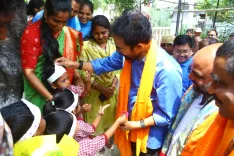
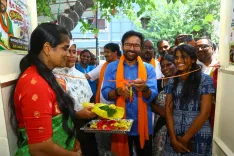
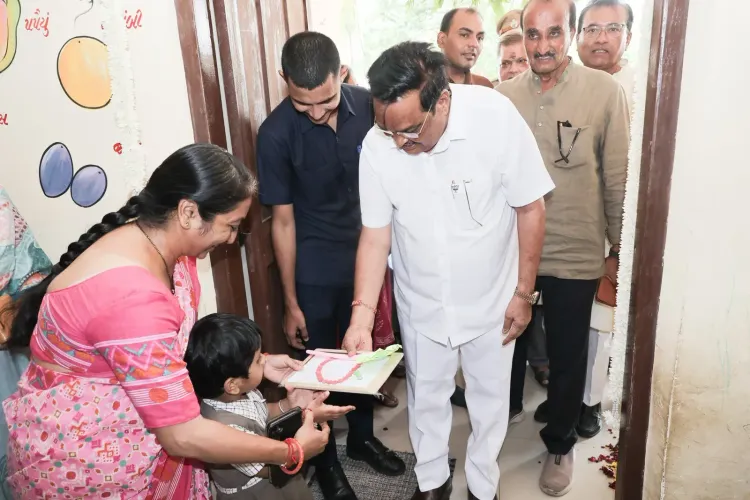
Paatil interacted with children, mothers, women, and Anganwadi workers at the event.
He called Anganwadi centres the first pillar of health, nutrition, and holistic development for young children.
Integrated Child Development Services (ICDS) , launched in 1975 , underpins the nationwide Anganwadi network.
The event aligned with the Jan Bhagidari principle of active community and elected-representative participation in welfare delivery.
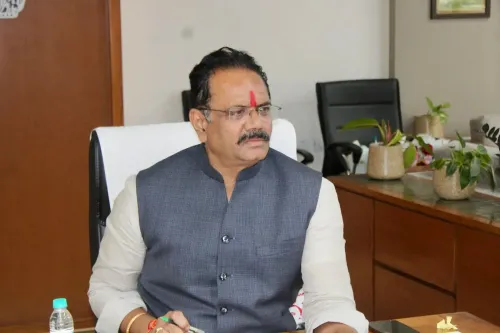
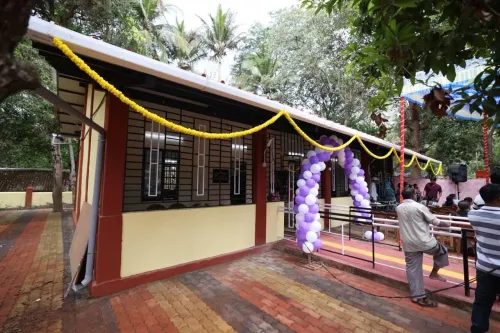
Love, nutrition, and values — Union Jal Shakti Minister C. R. Paatil called these three the most important investment a society can make in its children, as he visited Anganwadi centres on Saturday, September 26, 2026, during the 'Aangan No Utsav' (Festival of the Courtyard) event organised under the Seva Sankalp Abhiyan.
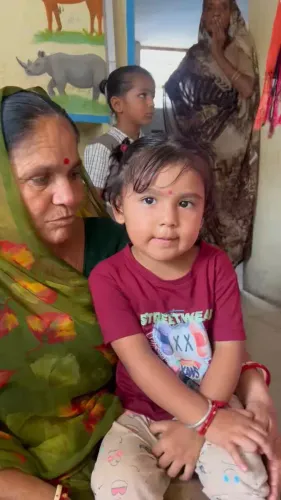
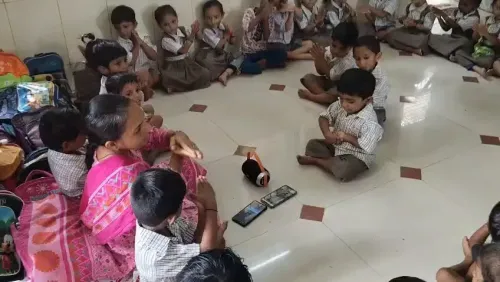
The minister interacted warmly with children, mothers, women from the community, and Anganwadi workers at the event. Posting about the visit on X in Gujarati, Paatil wrote: 'સ્નેહ, પોષણ અને સંસ્કાર' — 'affection, nutrition, and values' — are the vital investments for a child's bright future.
Anganwadi centres as the first pillar of child development
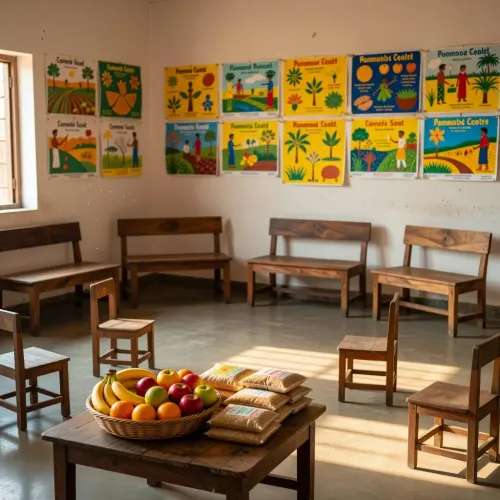
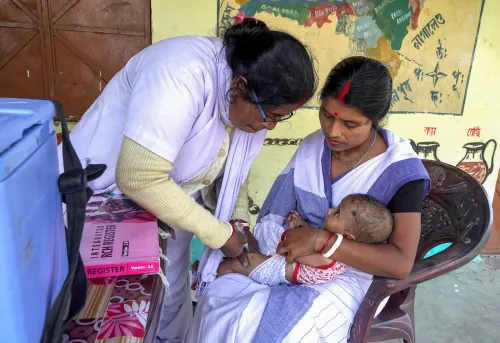
Paatil described Anganwadi centres as the first and foundational pillar of health, nutrition, and holistic development for young children. That framing is rooted in real institutional history: the Integrated Child Development Services (ICDS), launched in 1975, created this nationwide network of rural child-care hubs delivering supplementary nutrition, immunisation, health check-ups, and pre-school education to children under six and their mothers.
Decades on, the centres remain the grassroots frontline of India's child welfare architecture — and their effectiveness hinges heavily on community trust and local engagement, precisely the gap events like Aangan No Utsav aim to bridge.
Jan Bhagidari and the Seva Sankalp push
The Seva Sankalp Abhiyan is a campaign designed to channel public participation — Jan Bhagidari — into community welfare programmes. Paatil underscored that active involvement from society and elected representatives strengthens the Anganwadi system itself, turning government infrastructure into a community-owned resource rather than a top-down delivery mechanism.
Such visits by public representatives to Anganwadi centres have become a visible feature of BJP-led outreach in Gujarat, reinforcing the message that child nutrition and early education are political priorities, not just bureaucratic targets. The hashtags #AnganNoUtsav, #SevaSankalp, #Anganwadi, and #JanBhagidari anchored the post squarely in that state-level mobilisation frame.
Paatil concluded his post by blessing all children with a bright future — a warm note that carried the dominant sentiment of the day: community, care, and the long bet a society places on its youngest members.
Whether the Seva Sankalp Abhiyan expands its Anganwadi-focused activities across more districts in Gujarat will be the real measure of how much political energy translates into on-ground change for children and the workers who serve them.
Point of View
Not just state delivery mandates — a political vocabulary shift with roots in the Jan Bhagidari emphasis of recent years. For a senior minister whose portfolio is water infrastructure, the optic of engaging with ICDS centres broadens his public-welfare footprint ahead of any state-level political calendar. The deeper question is whether such high-visibility visits translate into sustained monitoring or additional resource allocation for Anganwadi workers, who have long demanded better pay and recognition. The Seva Sankalp Abhiyan's trajectory in Gujarat will signal whether this is a one-day moment or a structured accountability push.
NationPress
26 Sept 2026
Frequently Asked Questions
What is Aangan No Utsav?
'Aangan No Utsav' means 'Festival of the Courtyard' in Gujarati. It is an event organised under the Seva Sankalp Abhiyan campaign to celebrate and strengthen Anganwadi centres through community participation and interaction with children, mothers, and Anganwadi workers.
What is the Seva Sankalp Abhiyan?
The Seva Sankalp Abhiyan is a campaign that promotes service-oriented public participation — known as Jan Bhagidari — in community welfare and social programmes, encouraging elected representatives and citizens to engage directly with grassroots welfare infrastructure.
What do Anganwadi centres do?
Anganwadi centres are rural child-care and nutrition hubs established under India's Integrated Child Development Services (ICDS) framework in 1975. They deliver supplementary nutrition, immunisation, health check-ups, and pre-school education to children under six and to pregnant and lactating mothers.
Why did C. R. Paatil visit Anganwadi centres?
C. R. Paatil visited Anganwadi centres as part of the 'Aangan No Utsav' event under the Seva Sankalp Abhiyan to interact with children, mothers, and Anganwadi workers, and to highlight the role of community participation in strengthening early childhood welfare infrastructure.
What is ICDS and when was it launched?
The Integrated Child Development Services (ICDS) is a flagship Indian government programme launched in 1975 to address early childhood nutrition, health, and development. It operates through the nationwide network of Anganwadi centres, which serve as the primary grassroots delivery point for child and maternal welfare services.