CR Paatil Visits Anganwadi Centre Under Seva Sankalp Abhiyan
Synopsis
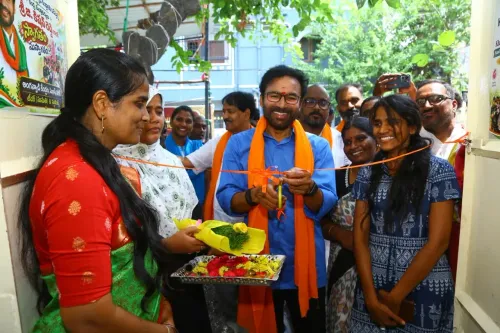
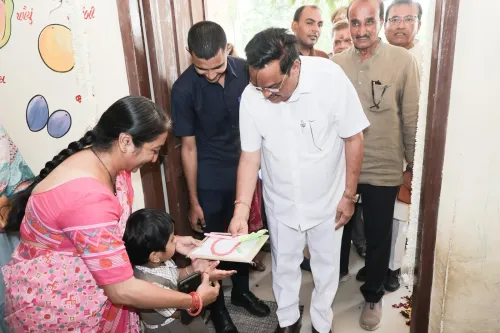
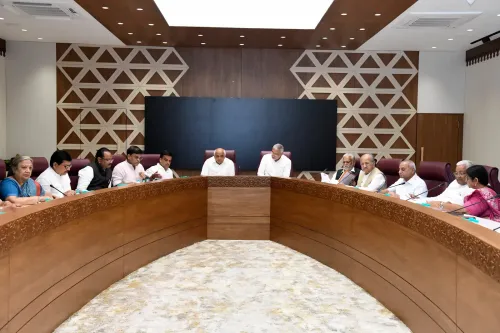
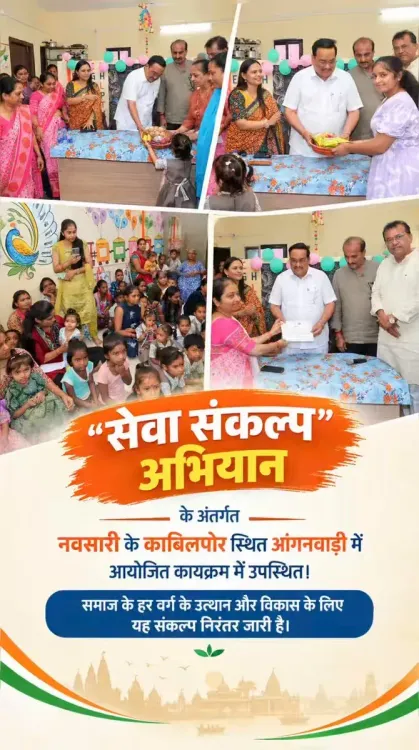
Union Jal Shakti Minister C. R. Paatil met children, mothers, and Anganwadi workers at a centre in Gujarat on 26 September 2026 as part of the 'Seva Sankalp Abhiyan' campaign's 'Aaganana Utsav' event, sharing a glimpse of the interaction on X.
Key Takeaways
Union Jal Shakti Minister C.
Paatil visited an Anganwadi centre on 26 September 2026 as part of the Seva Sankalp Abhiyan .
The event was specifically called 'Aaganana Utsav' — a celebration-style community engagement at the Anganwadi centre.
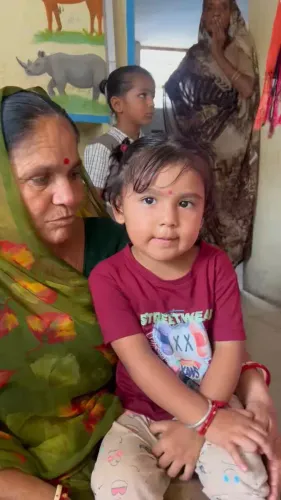
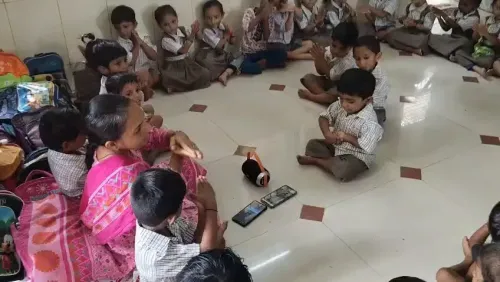
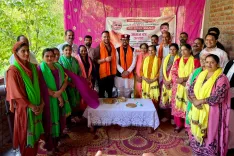
Paatil interacted with children, mothers, sisters, and Anganwadi workers during the visit.
Anganwadi centres operate under the Integrated Child Development Services (ICDS) programme, launched in 1975 .
BJP leaders in Gujarat have a pattern of conducting outreach visits to Anganwadi centres as part of grassroots service campaigns.
At an Anganwadi centre somewhere in Gujarat, Union Jal Shakti Minister C. R. Paatil sat down with children, mothers, and frontline workers on Saturday, 26 September 2026 — a ground-level dialogue that is becoming a signature move for BJP leaders in the state.
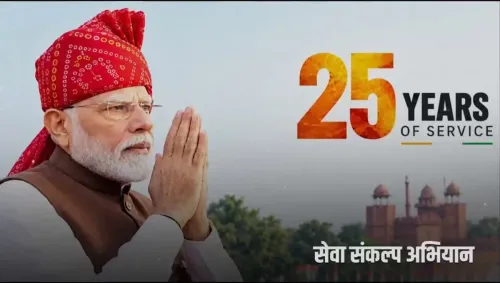
The visit was organised as part of the 'Seva Sankalp Abhiyan' (Service Pledge Campaign), within a specific event called 'Aaganana Utsav' — loosely, 'a celebration at the doorstep'. Paatil described the interaction with children, mothers, sisters, and Anganwadi workers as an aatmiya mulakat, or heartfelt meeting — and shared a glimpse of it on X.
What Anganwadi Centres Actually Do
Anganwadi centres are the backbone of India's rural child welfare architecture. Launched in 1975 under the Integrated Child Development Services (ICDS) programme, they deliver supplementary nutrition, preschool education, and basic health services to children under six and to pregnant or lactating mothers across the country.
The workers who run these centres — largely women from local communities — are among the most stretched frontline functionaries in the social welfare system, and questions around their honoraria and infrastructure remain live political issues.
BJP's Anganwadi Outreach Pattern in Gujarat
Paatil's visit is part of a well-established playbook. BJP ministers and state leaders have regularly conducted in-person outreach at Anganwadi centres as part of service-oriented campaigns, aiming to show direct engagement with ICDS beneficiaries at the grassroots. For a leader of Paatil's stature — he is a former Gujarat BJP state president and a Union Cabinet minister — showing up at a village-level care centre carries an unmistakable political signal about ground-connect.
Whether the Seva Sankalp Abhiyan produces any concrete policy announcements — on worker pay, centre infrastructure, or nutritional outcomes — is the question that will define its lasting impact beyond the optics.
Point of View
Such visits signal that electoral groundwork in the state continues even from Delhi. The real policy test, however, is whether campaigns like 'Seva Sankalp Abhiyan' translate into measurable improvements in Anganwadi worker conditions or nutritional outcomes — metrics that have lagged behind the optics for years.
NationPress
26 Sept 2026
Frequently Asked Questions
What is the Seva Sankalp Abhiyan?
The Seva Sankalp Abhiyan is a service-outreach campaign under which BJP leaders and ministers conduct direct ground-level visits and interactions with beneficiaries of government schemes, including Anganwadi centres.
What is an Anganwadi centre?
An Anganwadi centre is a rural child care and nutrition centre operating under India's Integrated Child Development Services (ICDS) programme, launched in 1975, providing supplementary nutrition, preschool education, and health services to children under six and to pregnant or lactating mothers.
Who is C. R. Paatil?
C. R. Paatil is the Union Minister of Jal Shakti and a senior BJP leader who previously served as Gujarat BJP state president.
What is 'Aaganana Utsav'?
'Aaganana Utsav' translates roughly to 'a celebration at the doorstep' and was the specific event organised at the Anganwadi centre during the Seva Sankalp Abhiyan on 26 September 2026.
What do Anganwadi workers do?
Anganwadi workers are frontline community workers — largely local women — who run ICDS centres, delivering nutrition, early childhood education, and basic health services to children and mothers in rural areas.