CM Bhupendra Patel Spotlights Nutrition at Gujarat Anganwadis
Synopsis
Gujarat Chief Minister Bhupendra Patel posted images on 22 October 2026 highlighting nutrition delivery at Anganwadi centres, underscoring the state's grassroots implementation of the ICDS and POSHAN Abhiyaan schemes aimed at reducing child malnutrition.
Key Takeaways
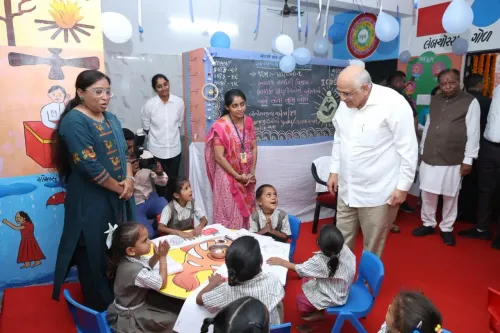
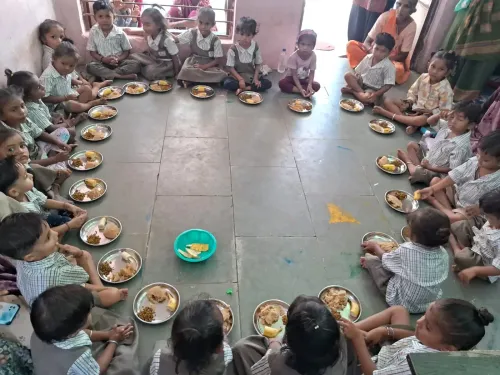
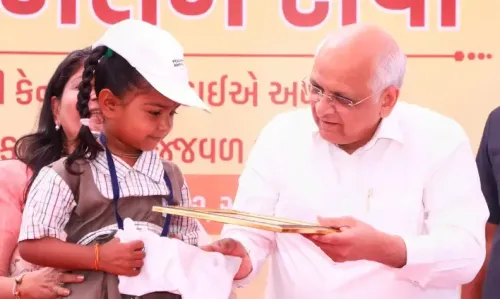
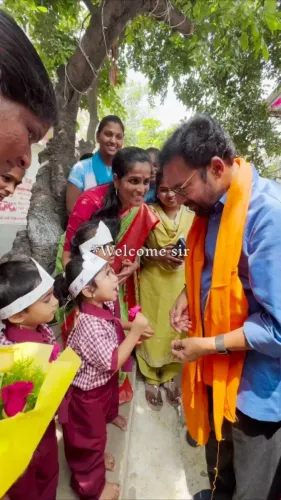
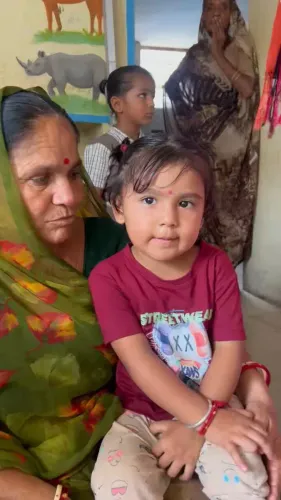
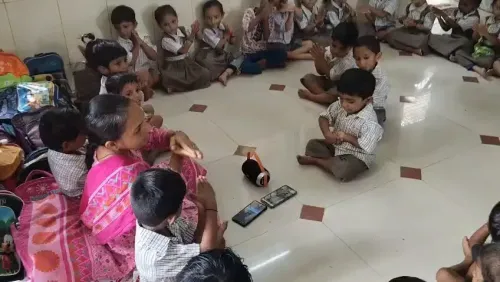
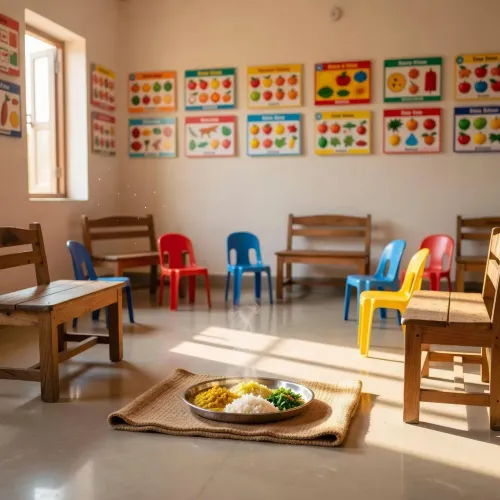
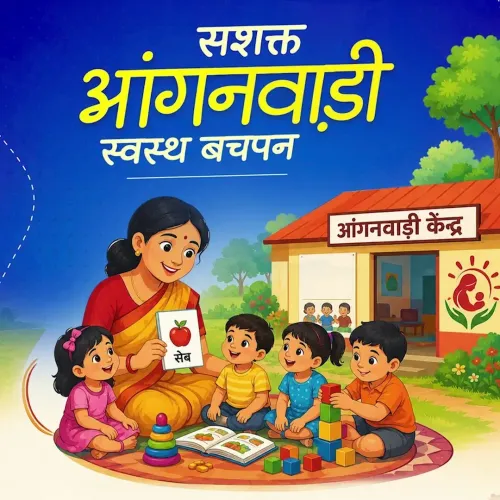
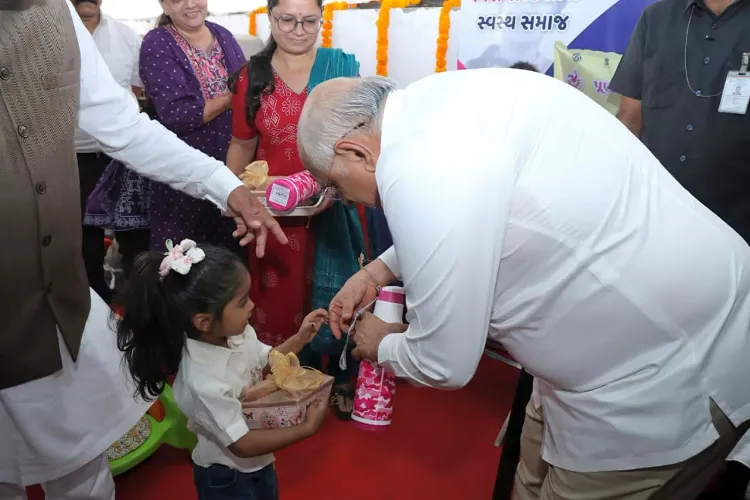
Gujarat CM Bhupendra Patel posted on X on 22 October 2026 with four images showcasing nutrition at Anganwadi centres.
The Gujarati caption 'Aanganwadima suposhanni suvaas' translates to 'the fragrance of nutrition in the Anganwadi.' Anganwadis operate under ICDS , India's flagship early-childhood programme launched in 1975 , serving children under six and mothers.
POSHAN Abhiyaan , launched in 2018 , placed Anganwadi strengthening at the centre of India's national nutrition mission.
The next NFHS survey and Gujarat's budget decisions on Anganwadi honoraria and infrastructure will be key measures of actual impact.
The fragrance of good nutrition is reaching Gujarat's youngest citizens — and Chief Minister Bhupendra Patel wants the country to see it. On Thursday, 22 October 2026, the Gujarat CM shared a post on X with four images, captioning it in Gujarati: 'Aanganwadima suposhanni suvaas' — 'the fragrance of nutrition in the Anganwadi' — shining a light on the state's grassroots nutrition delivery network.
What 'Suposhann' looks like on the ground
Anganwadi centres are the front line of India's child-welfare architecture. Operating under the Integrated Child Development Services (ICDS) programme — launched nationally in 1975 — they deliver supplementary nutrition, preschool education, and basic health services to children under six and to pregnant and lactating mothers in villages across the country. Gujarat runs thousands of such centres, and periodic showcases of their meal quality or infrastructure signal state-level commitment to what remains one of India's largest social-welfare schemes.
CM Patel's post, accompanied by four images, follows a consistent pattern seen across BJP-governed states: using social media to make visible the last-mile delivery of central welfare programmes, giving constituents a direct window into scheme implementation rather than just policy announcements.
POSHAN Abhiyaan and Gujarat's nutrition push
The backdrop is POSHAN Abhiyaan, the national nutrition mission launched in 2018 that placed Anganwadi strengthening at its core. The mission set targets to reduce stunting, wasting, and anaemia among children and women — with states like Gujarat responsible for the ground-level execution. Showcasing Anganwadi nutrition delivery publicly is both a governance signal and a soft accountability measure: when a chief minister posts it, district officials and workers know it is being watched from the top.
The primary stakeholders here are among the most vulnerable in the country — young children in their critical first thousand days of development, and pregnant and nursing mothers whose nutrition directly shapes the next generation's health outcomes. Every hot meal served in an Anganwadi is a data point in a much larger national story about whether India can decisively bring down its child malnutrition numbers.
The number to watch next
The real test of these centres will arrive with the next round of National Family Health Survey (NFHS) data or state-specific malnutrition surveys, which will reveal whether on-the-ground nutrition delivery is translating into measurable improvements. Equally significant will be Gujarat's upcoming budget decisions on Anganwadi worker honoraria and infrastructure — the two levers that most directly determine whether these centres can sustain quality at scale.
A chief minister's post is a moment; the numbers will tell the full story.
Point of View
Which in turn puts pressure on district administrators to maintain standards. For the BJP, showcasing POSHAN Abhiyaan implementation in states it governs serves a dual purpose — reinforcing its pro-poor welfare narrative ahead of any electoral cycle while simultaneously claiming credit for a centrally funded programme. The real policy question the post leaves unanswered is whether Gujarat's Anganwadi worker compensation and infrastructure budgets are keeping pace with the quality these images suggest. Until the next nutrition survey data arrives, the 'fragrance' remains a political signal as much as a governance one.
NationPress
22 Oct 2026
Frequently Asked Questions
What is an Anganwadi centre and what services does it provide?
An Anganwadi is a village-level welfare centre under India's Integrated Child Development Services (ICDS) programme. It provides supplementary nutrition, preschool education, immunisation support, and health check-ups to children under six years of age and to pregnant or lactating mothers.
What is POSHAN Abhiyaan and how does it relate to Anganwadis?
POSHAN Abhiyaan is India's national nutrition mission launched in 2018. It placed Anganwadi centres at the core of its strategy to reduce stunting, wasting, and anaemia, with states responsible for implementation and monitoring at the ground level.
What did Gujarat CM Bhupendra Patel post about Anganwadis in October 2026?
On 22 October 2026, Gujarat Chief Minister Bhupendra Patel shared four images on X captioned in Gujarati as 'Aanganwadima suposhanni suvaas,' meaning 'the fragrance of nutrition in the Anganwadi,' highlighting nutrition delivery at state Anganwadi centres.
When was ICDS launched in India?
Integrated Child Development Services (ICDS) was launched in India in 1975. It is one of the country's oldest and largest social-welfare programmes targeting early childhood development and maternal health.
How does Gujarat measure child malnutrition progress?
Progress is primarily tracked through the National Family Health Survey (NFHS) data and state-level nutrition surveys. Indicators such as stunting, wasting, and anaemia rates among children and women serve as key benchmarks for evaluating scheme effectiveness.