Chhattisgarh CMO Celebrates Children With Emotive Post
Synopsis
The Chief Minister's Office of Chhattisgarh marked 7 June 2026 with a Hindi post celebrating the innocence and love of young children, reflecting the state's sustained focus on child welfare and early-childhood development through Anganwadi centres and ICDS.
Key Takeaways
The Chief Minister's Office of Chhattisgarh posted an emotive children-focused message on 7 June 2026 .
The Hindi post translates as: 'Innocent smiles and boundless affection; the love of little children is the most precious gift.' Chhattisgarh delivers early-childhood services through Anganwadi centres under the ICDS scheme, launched nationally in 1975 .
The state operationalised take-home rations and hot-cooked meals for children under six under the National Food Security Act, 2013 .
Anganwadi workers are the frontline implementers of the state's child nutrition and pre-school education programmes.
Analysts will watch the next state budget and Women and Child Development department review for follow-up policy announcements.
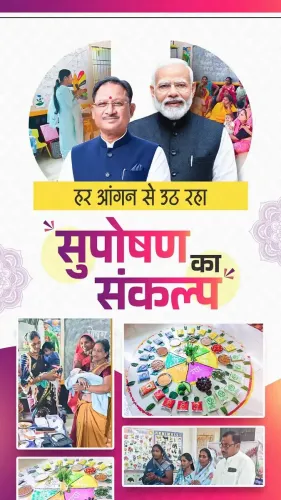
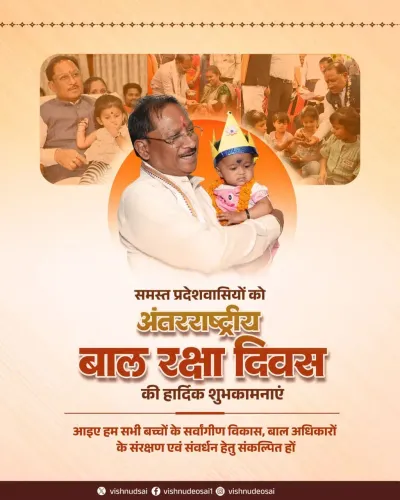
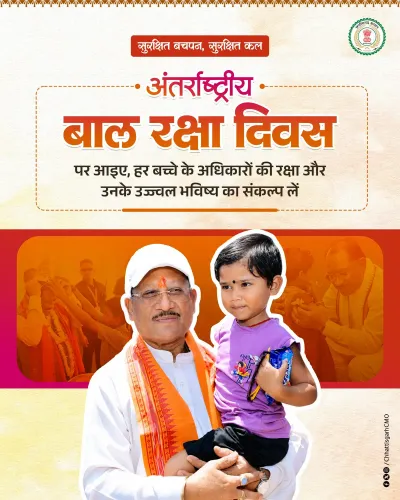
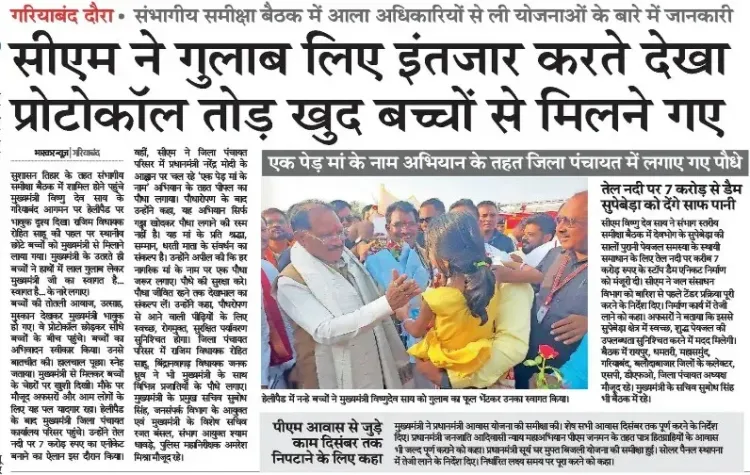
The Chief Minister's Office of Chhattisgarh shared an emotive message on Sunday, 7 June 2026, celebrating the warmth and innocence of young children, calling their affection the most precious gift. The post, accompanied by an image, reflects the state government's sustained public messaging around child welfare and early childhood care.
Context
The Hindi post reads: 'Maasoom muskaan aur sneh apaar, nanhein bachon ka pyaar, sabse anmol uphaar' — translated as 'Innocent smiles and boundless affection; the love of little children is the most precious gift.' While the specific occasion prompting the post was not stated, Chhattisgarh's official handles have a consistent pattern of pairing such emotive outreach with ongoing child-welfare programme cycles.
The message centres on young children and the emotional bond they represent, a theme that resonates widely in a state where a significant share of the population is under the age of six and where government programmes for early childhood development are active across districts.
Policy Backdrop
The Government of Chhattisgarh implements the Integrated Child Development Services (ICDS) scheme — launched nationally in 1975 — through a network of Anganwadi centres spread across the state, including in its large tribal belt. These centres deliver supplementary nutrition, pre-school education, and health check-ups to children under six.
Under the National Food Security Act, 2013, Chhattisgarh operationalised take-home rations and hot-cooked meals for young children. The state has historically used public communication to reinforce community awareness of these entitlements, particularly in districts with elevated malnutrition indicators.
Stakeholders and Impact
The primary beneficiaries of Chhattisgarh's child-welfare architecture are children under six years of age and their families, particularly in rural and tribal communities. Anganwadi workers serve as the frontline interface between state programmes and these households, making their role central to any improvement in early-childhood outcomes.
Posts of this nature from the Chief Minister's Office signal political attention to child welfare, which can precede administrative reviews, budget allocations, or departmental directives from the Women and Child Development department. Community trust in government programmes is often reinforced by such visible, emotive communication from senior offices.
What's Next
Observers of Chhattisgarh's social policy will watch the state's next Women and Child Development department review meeting and the forthcoming state budget for any announcements on revised nutrition unit costs, expanded Anganwadi infrastructure, or new pre-school learning kits. The state's malnutrition data in tribal districts remains a key benchmark against which such messaging is evaluated.
Sustained official attention to children's welfare, expressed through both policy and public communication, signals that early-childhood development will remain a visible priority for the Chhattisgarh administration in the months ahead.
Point of View
Where tribal-district malnutrition has historically been a political flashpoint, such messaging carries additional weight. It signals that early-childhood welfare remains a visible priority for the current administration, even when no specific programme milestone is cited. Sustained visibility on this theme can shape budget negotiations and departmental priorities in the months that follow.
NationPress
22 Oct 2026
Frequently Asked Questions
What did the Chhattisgarh CMO post on 7 June 2026?
The Chief Minister's Office of Chhattisgarh posted a Hindi message celebrating the innocence and love of young children, calling their affection the most precious gift, accompanied by an image.
What does the Hindi post 'maasoom muskaan aur sneh apaar' mean?
It translates to 'Innocent smiles and boundless affection; the love of little children is the most precious gift' — an emotive tribute to young children.
What child welfare schemes does Chhattisgarh run?
Chhattisgarh implements the Integrated Child Development Services (ICDS) scheme through Anganwadi centres, providing supplementary nutrition, pre-school education, and health check-ups to children under six, along with take-home rations under the National Food Security Act, 2013.
Who are Anganwadi workers in Chhattisgarh?
Anganwadi workers are government-appointed frontline functionaries who operate community child-care centres, delivering nutrition, early education, and health services to young children and mothers, particularly in rural and tribal areas of Chhattisgarh.
Why does the Chhattisgarh government post about children on social media?
Indian state governments, including Chhattisgarh, routinely use official handles to post emotive content on child welfare to build public awareness and goodwill, often coinciding with programme reviews, Anganwadi inspections, or budget planning cycles.