Revanth Reddy joins trilateral meet on Krishna river water sharing
Synopsis
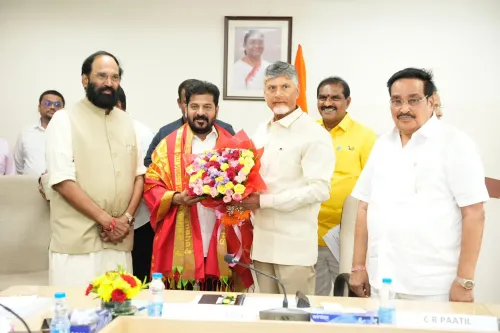
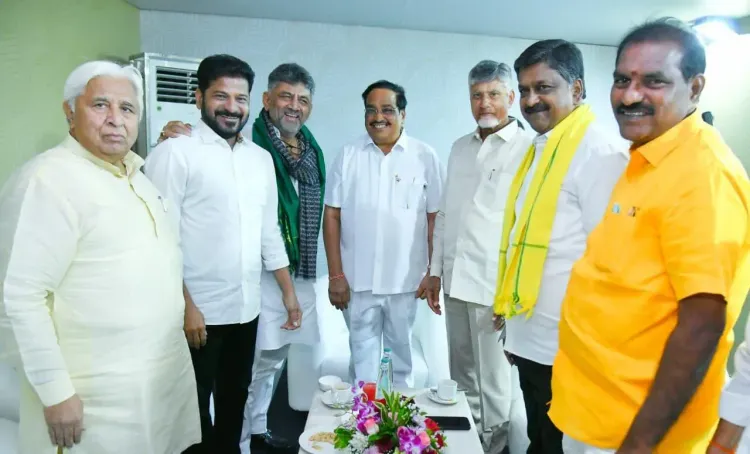
Telangana CM Revanth Reddy, AP CM Chandrababu Naidu, Karnataka CM D.K. Shivakumar and Union Minister C.R. Patil held a trilateral meeting in Karnataka on 25 June 2026 to address common inter-state Krishna river water disputes and explore resolution pathways.
Key Takeaways
Revanth Reddy participated in a trilateral meeting in Karnataka on 25 June 2026 on inter-state river water issues.
The meeting included AP CM N.
Chandrababu Naidu , Karnataka CM D.K.
Shivakumar , and Union Minister C.R.
Water resources ministers and senior officials from all three states were also present.
Discussions covered common problems in Krishna river water sharing and possible resolution pathways.
The Andhra Pradesh Reorganisation Act, 2014 and the Krishna Water Disputes Tribunal-II award (2010) form the legal backdrop for ongoing inter-state negotiations.
A follow-up meeting or joint communiqué involving the Jal Shakti Ministry is being watched as a possible next step.
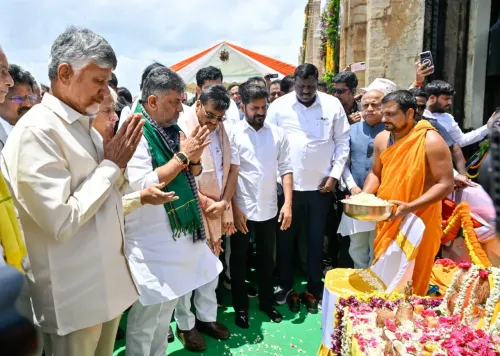
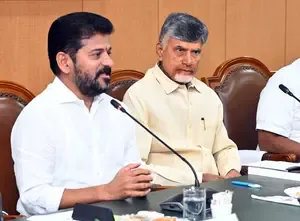
Telangana Chief Minister A. Revanth Reddy met with Andhra Pradesh Chief Minister N. Chandrababu Naidu, Karnataka Chief Minister D.K. Shivakumar, Union Minister C.R. Patil, and senior water resources officials from all three states in Karnataka on 25 June 2026 to discuss shared inter-state river water disputes and pathways toward resolution.
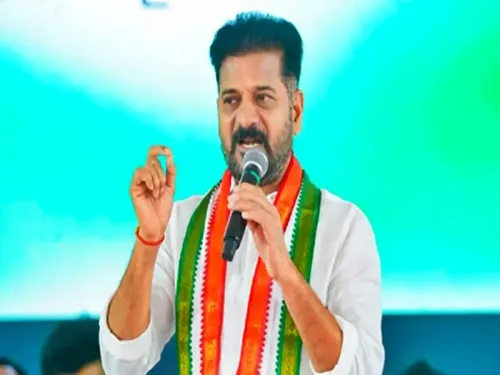
Posting on X, Revanth Reddy stated — 'నదీ జలాల విషయంలో మూడు రాష్ట్రాల ఉమ్మడి సమస్యలు, పరిష్కార మార్గాల పై చర్చించాం' ['We discussed the common problems of the three states on river waters and the ways to resolve them'] — signalling that the meeting was substantive and covered both grievances and potential solutions.
Context
The Krishna River is shared among Telangana, Andhra Pradesh, and Karnataka, making water allocation a perennial flashpoint among the three riparian states. The Andhra Pradesh Reorganisation Act, 2014 bifurcated the erstwhile Andhra Pradesh, creating the need for fresh water-sharing arrangements between the two successor states while Karnataka's upstream interests remained a standing concern.
The Krishna Water Disputes Tribunal-II (the Brijesh Kumar Tribunal) delivered its final award in 2010, but implementation has remained contested, with periodic disputes over project clearances, storage rights, and release schedules requiring central intervention.
Policy Backdrop
Inter-state river water disputes in the Krishna basin have been governed by the Inter-State River Water Disputes Act, 1956, which empowers the Union government to constitute tribunals when negotiations fail. Since the 2014 bifurcation, Telangana and Andhra Pradesh have held multiple bilateral and trilateral rounds of talks with Karnataka, frequently facilitated by the Jal Shakti Ministry in New Delhi.
The presence of Union Minister C.R. Patil at Thursday's meeting underscores the Centre's active role in brokering dialogue, a pattern consistent with earlier rounds of central mediation in the basin. The Krishna River Management Board, constituted after bifurcation, is the principal federal body overseeing project operations and water releases between Telangana and Andhra Pradesh.
Stakeholders and Impact
Farmers across the Krishna basin — spanning irrigation-dependent districts in all three states — are the most directly affected constituency. Unresolved allocation disputes can delay reservoir operations and disrupt kharif and rabi cropping cycles, affecting millions of cultivators dependent on canal networks fed by Krishna waters.
Water resources departments and project engineers from the three states were also represented at the meeting, indicating that technical-level discussions accompanied the political dialogue. A convergence at both political and bureaucratic levels is typically a prerequisite for any durable inter-state agreement.
What's Next
The three chief ministers and the Union Minister are expected to follow up on the discussions, with observers watching for any joint communiqué or reference to the Krishna River Management Board's role in implementing agreed positions. A possible follow-up meeting involving the Union Jal Shakti Minister cannot be ruled out if the states move toward formalising any interim arrangement. The outcome of this trilateral engagement will be closely tracked by farmer groups and irrigation authorities across the basin.
Point of View
Suggesting the Centre is keen to accelerate resolution ahead of potential tribunal or board-level proceedings. For Revanth Reddy, participation alongside a rival-state chief minister and a central government representative reflects a pragmatic, governance-first posture on a politically sensitive issue. Whether this translates into binding commitments or remains another round of talks will determine its place in the long arc of Krishna basin water diplomacy.
NationPress
24 Sept 2026
Frequently Asked Questions
Why did the chief ministers of Telangana, Andhra Pradesh and Karnataka meet in June 2026?
The three chief ministers met in Karnataka on 25 June 2026 to discuss common inter-state problems related to Krishna river water sharing and to explore resolution pathways, with Union Minister C.R. Patil also present.
What is the Krishna river water dispute between Telangana, Andhra Pradesh and Karnataka?
The Krishna River is shared by all three states, and its allocation has been governed by the Krishna Water Disputes Tribunal-II award of 2010 . After the 2014 bifurcation of Andhra Pradesh, new disputes arose between Telangana and residual Andhra Pradesh , adding complexity to existing disagreements with Karnataka .
What is the Krishna River Management Board?
The Krishna River Management Board is a federal body constituted after the 2014 bifurcation of Andhra Pradesh to oversee the operation of projects and water releases between Telangana and Andhra Pradesh in the Krishna basin .
Who is C.R. Patil and why was he at the water talks?
C.R. Patil is a Union Minister who attended the 25 June 2026 trilateral meeting, reflecting the central government's active facilitation role in inter-state river water disputes under the Inter-State River Water Disputes Act, 1956 .
What happens next after the Telangana-AP-Karnataka water meeting?
Observers are watching for a joint communiqué, a reference to the Krishna River Management Board , or a follow-up meeting with the Union Jal Shakti Minister as indicators of whether the 25 June 2026 talks will translate into concrete interim arrangements.