CM's Rural Bus Scheme Bridges Bastar and Sarguja Tribal Gaps
Synopsis
The Chhattisgarh government's Mukhyamantri Gramin Bus Yojana is connecting historically isolated tribal villages in Bastar and Sarguja to schools, hospitals, and markets, the Chief Minister's Office announced on 12 November 2026.
Key Takeaways
The Mukhyamantri Gramin Bus Yojana is extending bus services to remote tribal areas in Bastar and Sarguja divisions of Chhattisgarh.
The scheme targets villages that were previously difficult to reach, addressing a long-standing connectivity gap in tribal belts.
Improved access is expected to benefit residents across four domains: education, health, employment, and economic activity .
Bastar and Sarguja are home to large tribal populations facing challenging terrain and historically limited public infrastructure.
The initiative aligns with broader state-level efforts across central India to reduce isolation in tribal regions through targeted transport programmes.
Future credibility of the scheme will depend on measurable outcomes such as school enrolment and health facility visits in newly connected blocks.
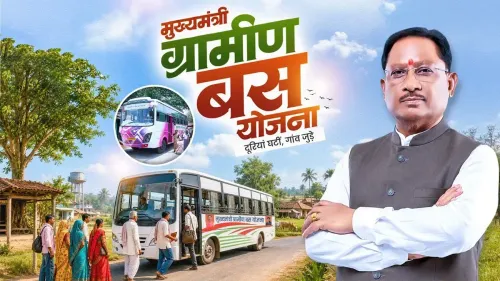
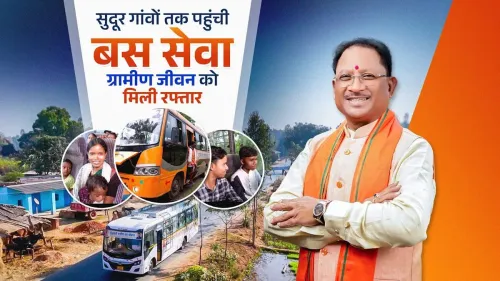
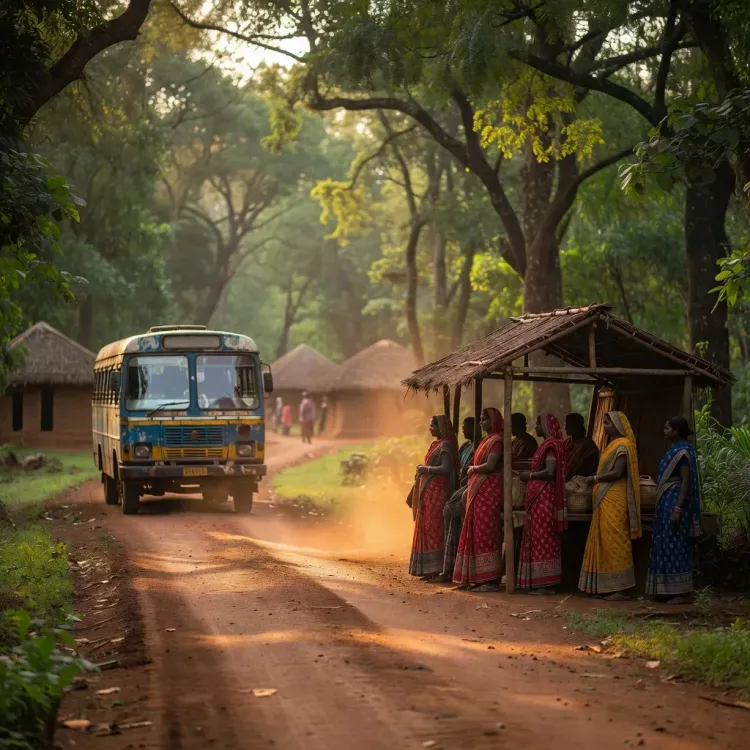
Roads that once dead-ended at the forest edge are now bus stops. The Chief Minister's Office of Chhattisgarh announced on Thursday, 12 November 2026 that the Mukhyamantri Gramin Bus Yojana is actively expanding connectivity into the tribal heartlands of Bastar and Sarguja — two of the state's most remote and historically underserved divisions.
The post, shared by the official CMO account, states that villages in these two divisions where reaching was once difficult are now being served by bus routes, making access to education, health, employment, and economic activities easier for rural residents and giving rural development 'new momentum' — gramin vikas ko nayi gati.
Why Bastar and Sarguja Were Left Behind
Bastar, the sprawling southern division of Chhattisgarh, is home to a large tribal population and terrain that has historically made regular transport a challenge — dense forests, seasonal river crossings, and limited road infrastructure kept villages isolated for generations. Sarguja in the north faces similar conditions, with scattered tribal settlements often hours from the nearest town by foot.
That geography has had real consequences: children missing school because the district hospital is a day's walk away, workers unable to access weekly markets, families cut off from government welfare programmes that exist on paper but not in practice. Connectivity is not an amenity here — it is the precondition for everything else.
What the Bus Scheme Is Designed to Do
The Mukhyamantri Gramin Bus Yojana is a state government initiative specifically targeting rural connectivity in areas where commercial operators have no business incentive to run routes. By directing bus services into these gaps, the scheme aims to link tribal villages to the broader network of schools, primary health centres, employment exchanges, and local markets.
State governments across central and eastern India have experimented with similar targeted rural transport programmes, recognising that road construction alone does not translate into mobility unless vehicles actually use those roads. Chhattisgarh's focus on Bastar and Sarguja in particular reflects the state's stated priority of integrating its tribal belt into mainstream development without displacing communities from their land.
Education, Health, and Livelihoods in the Frame
The CMO's framing of the scheme's impact is deliberately broad — and correctly so. Transport economists have long documented the multiplier effect of rural connectivity: a child who can reach school regularly, a patient who can access a referral hospital before a condition worsens, a farmer who can carry produce to a mandI without hiring a vehicle at a premium. Each bus route is, in effect, a bundle of social infrastructure.
What to watch next is whether the state follows up with measurable data — route expansions, changes in school enrolment figures in covered blocks, health facility footfall in newly connected villages. The scheme's credibility will ultimately rest on whether the numbers bear out the momentum the CMO is claiming today.
For now, the signal from Raipur is clear: the government views last-mile tribal connectivity not as a welfare gesture but as a structural investment in the state's most excluded geography — and the bus, humble as it is, is the vehicle of that ambition.
Point of View
Poverty, and state under-reach, making visible infrastructure delivery a dual statement of governance and integration. Framing a bus scheme as a driver of education and health access — rather than merely a transport project — signals an attempt to shift the development narrative in these contested regions. The scheme fits a wider pattern of BJP-governed Chhattisgarh (since late 2023) prioritising tribal welfare as a core political identity, with connectivity serving as the most tangible proof point. Whether the scheme scales beyond announcement to documented impact will determine its lasting policy value.
NationPress
12 Nov 2026
Frequently Asked Questions
What is the Mukhyamantri Gramin Bus Yojana in Chhattisgarh?
The Mukhyamantri Gramin Bus Yojana is a Chhattisgarh state government scheme that provides bus services to remote rural and tribal areas where commercial operators do not run routes, aiming to improve connectivity and access to public services.
Which areas does the Mukhyamantri Gramin Bus Yojana cover?
The scheme focuses on tribal and remote rural villages in Bastar and Sarguja divisions of Chhattisgarh, two regions historically characterised by difficult terrain and limited transport access.
How does the rural bus scheme benefit tribal communities in Chhattisgarh?
By linking isolated villages to towns and district centres, the scheme improves access to schools, health facilities, employment opportunities, and local markets — services that were difficult to reach before regular bus connectivity.
Why are Bastar and Sarguja specifically targeted for rural connectivity schemes?
Both divisions have large tribal populations, dense forests, and challenging geography that have historically isolated communities from government services and economic activity, making them priority areas for state infrastructure investment.
When did the Chhattisgarh CMO announce the update on Mukhyamantri Gramin Bus Yojana?
The Chief Minister's Office of Chhattisgarh shared the update on Thursday, 12 November 2026 , highlighting expanding bus connectivity in tribal areas of Bastar and Sarguja.