Are Coal-fired Power Reductions in India and China a Sign of a Green Energy Future?
Synopsis
The decline of coal-fired power generation in China and India marks a historic first, as both nations shift toward renewable energy sources. This pivotal moment reflects a significant global impact on emissions and energy practices, highlighting the urgency for clean energy in the face of rising electricity demands.
Key Takeaways
China and India are experiencing a historical decline in coal-fired power generation .
The shift to renewable energy is critical for meeting rising electricity demands.
Both countries added significant renewable capacity in the past year.
Coal plants are operating fewer hours, raising concerns about long-term viability.
The global impact of these changes could be substantial.
New Delhi, Jan 15 (NationPress) For the first time since the 1970s, the generation of coal-fired power in both China and India is projected to decrease in 2025, as these nations transition towards renewable energy sources like solar, wind, and hydropower to satisfy their growing electricity needs, according to a report from the Centre for Research on Energy and Clean Air (CREA).
Last year, coal-generated electricity fell by 1.6% in China and by 3% in India, marking a historic moment since the early 1970s where both countries saw a decline in coal power within the same year, as reported by the Independent, a UK newspaper.
This shift carries global implications since these two nations contribute to over half of the world's coal-fired electricity generation.
“The transformations in their energy systems significantly affect global emissions. The report, commissioned by the climate news platform Carbon Brief, indicates that the combined reduction in coal generation, accompanied by unprecedented growth in clean energy, represents a pivotal moment and could foreshadow future trends,” the report states.
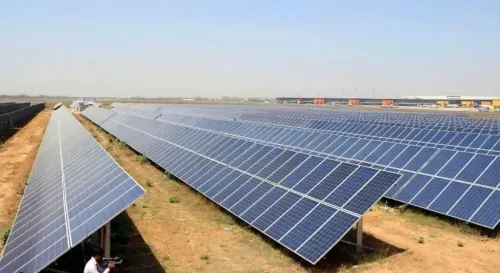
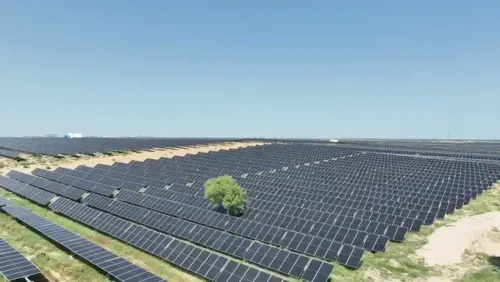
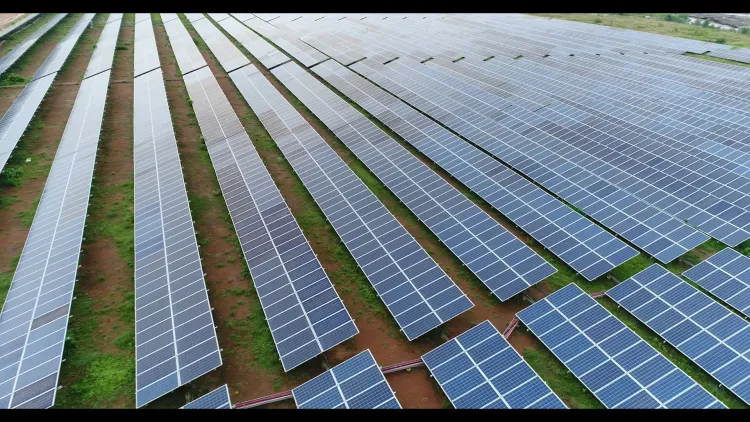
China has augmented its capacity with 300GW of solar and 100GW of wind power—surpassing the total power generation capacity of the UK by over five times—marking the highest record for any nation.
Electricity generation from solar and wind surged by 450TWh, while nuclear power output grew by 35TWh, as per the analysis.
In India, 35GW of solar capacity, 6GW of wind, and 3.5GW of hydropower were added in the initial eleven months of the year, reflecting a 44% increase in renewable capacity compared to the previous year, according to the report.
This escalation in renewable energy capacity has lessened the reliance on coal plants, resulting in a decline in coal output, despite ongoing economic progress. This marks the first instance where growth in clean energy has significantly influenced coal-fired generation in India, the report further asserts.
The CREA analysis suggests that China’s recent advancements in clean electricity generation, if maintained, could already be sufficient to reach a peak in coal power. In India, if current clean energy targets are achieved, coal power could peak before 2030, even with a resurgence in electricity demand. However, extreme heat remains a significant uncertainty.
Coal plants are frequently called upon to meet peak power demand during heatwaves, especially in the evening when solar output diminishes. At the same time, elevated temperatures can challenge coal plants, diminishing their efficiency and amplifying the stress on water resources.
Despite the reduction in coal generation, both nations continued to expand their coal-fired power capacity throughout the year.
In China, the authorization and construction of new coal plants persisted, motivated by energy security concerns and the necessity to meet peak demand. India similarly advanced new coal projects, particularly to support industrial expansion and electricity usage during extreme heat.
This has created a disparity between the existing coal capacity and the actual coal power being generated. The report highlights that coal plants in both countries are operating for fewer hours each year, raising concerns regarding long-term costs and wasted investments.
Point of View
I believe this significant decline in coal power generation in major economies like China and India indicates a positive shift towards sustainability. It reflects a growing acknowledgment of the pressing need for cleaner energy sources in addressing climate change, and it aligns with our commitment to reporting on transformative developments that shape our planet's future.
NationPress
16 Oct 2026
Frequently Asked Questions
What is causing the decline in coal power generation?
The decline is primarily due to a shift towards renewable energy sources such as solar, wind, and hydropower in response to rising electricity demand.
How significant is the impact of China and India on global coal emissions?
Together, China and India account for over half of global coal-fired electricity generation, making their energy transitions highly impactful on global emissions.
What renewable energy capacities have been added in India and China?
China has added 300GW of solar and 100GW of wind power, while India has introduced 35GW of solar, 6GW of wind, and 3.5GW of hydropower.
Will coal power generation return to previous levels?
While coal power generation is declining, both countries continue to expand coal capacity, indicating a complex energy landscape where coal might still play a role.
What are the implications of this transition for future energy policies?
This transition may prompt more aggressive clean energy policies globally, as nations recognize the need to reduce reliance on fossil fuels.