Coimbatore's Textile and Garment Exports Hit Hard by Red Sea Disruptions
Synopsis
The textile and garment exports from Coimbatore, Tamil Nadu, are facing unprecedented delays due to escalating conflicts in West Asia, impacting trade routes and raising concerns over financial repercussions for exporters. With key shipping lanes disrupted, the industry is bracing for significant challenges ahead.
Key Takeaways
Export delays from Coimbatore are tied to conflicts in West Asia.
Shipping times have increased by 20 to 25 days .
Financial implications for exporters are significant.
Local manufacturing sectors are facing logistical challenges.
Urgent government intervention is required to mitigate risks.
Chennai, March 5 (NationPress) The exports of textiles, garments, and wet grinders from Coimbatore in Tamil Nadu are experiencing significant setbacks due to the intensifying conflict in West Asia, which is disrupting cargo transit through vital international maritime routes. This situation is severely impacting trade with Gulf nations and other international markets, as stated by officials on Thursday.
Exporters indicate that conditions have deteriorated following the closure of the Strait of Hormuz, a pivotal maritime route for global shipping.
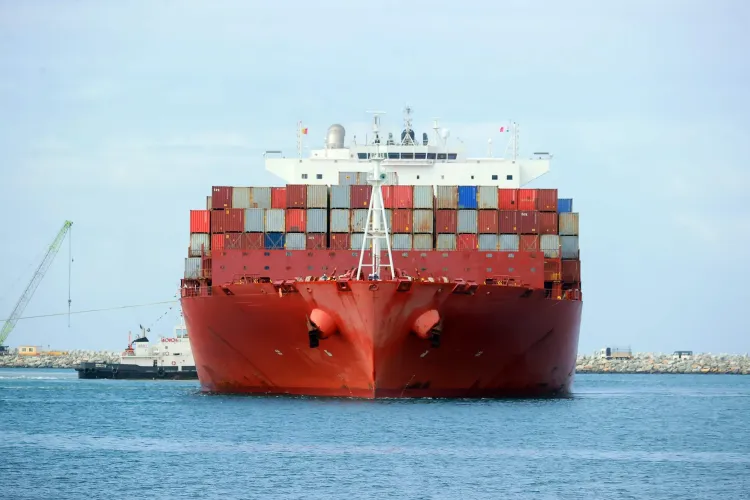
Cargo ships that typically navigate the Red Sea and the Gulf region are now compelled to take a considerably longer detour around the African continent via the Cape of Good Hope, causing substantial disruptions in shipping timelines.
The Southern India Mills' Association (SIMA) reports that this diversion has extended shipping durations by approximately 20 to 25 days.
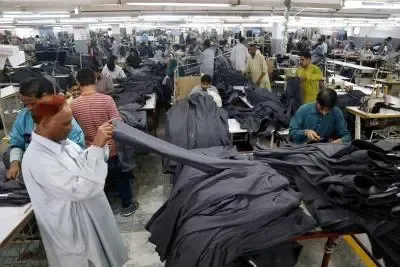
The delays are already affecting the export obligations of textile and garment producers in the Coimbatore area, a significant textile hub in India.
Industry representatives caution that extended transit times could have severe financial implications for exporters.
International clients often adhere to strict delivery timelines, and shipment delays may lead to order cancellations or demands for significant discounts.
Exporters are also likely to encounter escalating logistics expenses as shipping companies adjust freight rates due to the longer routes and increased fuel consumption.
This disruption is particularly concerning for the textile industry, which relies heavily on reliable export schedules.
Manufacturers in Coimbatore export nearly $2 billion worth of garments annually to the United Arab Emirates, while shipments to other Gulf nations are valued at about $1 billion.
With shipping timelines now uncertain, exporters are apprehensive that clients in the region may seek alternative suppliers.
Another pressing concern for the sector is the potential lack of raw materials.
Traders indicate that the disruption could jeopardize the supply of synthetic yarn and other textile inputs, which may ultimately raise production costs for manufacturers.
Moreover, the challenges are not confined to the textile industry.
Coimbatore's esteemed wet grinder manufacturing sector, which exports a substantial volume to Gulf and international markets, is also encountering difficulties.
Numerous shipments are reportedly stranded at Jebel Ali Port in Dubai, while new export orders from international buyers have been temporarily suspended due to the uncertainty surrounding shipping schedules.
Exporters are calling on the Central government and shipping authorities to closely monitor the situation and consider potential logistical support measures to mitigate further disruptions to India's export activities.
Industry representatives warn that a prolonged crisis in the area could have broader ramifications for exporters across southern India.
Point of View
The current disruption in Coimbatore's export sector highlights the vulnerabilities in global trade systems. The conflict in West Asia not only affects local manufacturers but also poses risks to international supply chains. The government and industry leaders must collaborate to navigate these turbulent waters and safeguard the interests of exporters.
NationPress
3 Oct 2026
Frequently Asked Questions
Why are Coimbatore's exports facing delays?
The delays are primarily due to the escalating conflict in West Asia, which has disrupted cargo movement through key maritime routes, notably the Red Sea and the Strait of Hormuz.
What is the impact of these delays on local exporters?
Local exporters are facing extended shipping times, potential financial losses, and challenges meeting strict delivery deadlines set by international buyers.
How much do Coimbatore manufacturers export annually?
Coimbatore manufacturers export garments worth nearly $2 billion annually to the UAE and around $1 billion to other Gulf countries.
What could be the long-term effects of these disruptions?
Prolonged disruptions could lead to loss of international clients, increased logistics costs, and potential shortages of raw materials for manufacturers.
What actions are being taken to address the situation?
Exporters are urging the Central government and shipping authorities to monitor the situation closely and consider logistical support to minimize further disruptions.