Rise in Polyester Fibre Prices Amid West Asia Conflict Disrupting Shipping
Synopsis
The textile industry in India faces new challenges as polyester fibre prices rise due to ongoing conflicts in West Asia, affecting shipping routes. This situation raises concerns for manufacturers and exporters about potential order cancellations and increased production costs.
Key Takeaways
Polyester fibre prices have surged by Rs 12/kg.
Shipping disruptions due to the conflict in West Asia are affecting the textile sector.
Delays in shipments are expected to last 20 to 25 days .
Polyester is critical, making up 75% of synthetic fabric production in India.
Rising costs may lead to order cancellations and increased production expenses.
Coimbatore, March 9 (NationPress) The ongoing strife in West Asia, coupled with the disruption of maritime traffic through the Strait of Hormuz, has started to affect India's textile industry, leading to a notable increase in polyester fibre prices over the past week.
Industry insiders report that the cost of polyester fibre has surged by Rs 12 per kilogram, escalating worries among textile manufacturers and exporters. The Strait of Hormuz is a vital maritime route for oil and cargo transportation.
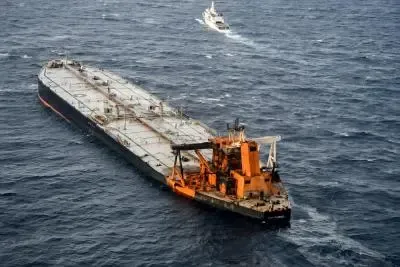
The recent closure of this route by Iran has forced numerous cargo vessels to bypass the area, opting for longer alternative pathways to reach their destinations in the Gulf, Europe, and the United Kingdom. Vessels are now navigating around Africa via the Cape of Good Hope, significantly lengthening shipping distances and transit times.
According to industry leaders, this diversion is likely to cause shipment delays of approximately 20 to 25 days. The extended routes have also driven up freight charges and logistics costs, placing additional strain on exporters who rely heavily on prompt deliveries to global markets.
Textile exporters express concerns that these delays might result in order cancellations or compel manufacturers to reduce prices to retain customers. Additionally, the disruption in shipping has started to hinder the supply of raw materials essential for synthetic yarn production.
As supply chains become tighter, the price of polyester fibre has seen a rapid escalation in a short period. Currently, polyester 1.2 denier fibre, extensively utilized in textile production, is trading at approximately Rs 114.25 per kilogram following the recent hike.
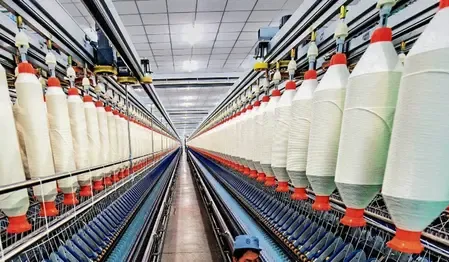
Polyester plays a crucial role in India's synthetic textile market, accounting for nearly 75% of synthetic fabric production. Consequently, any fluctuations in polyester prices directly affect yarn producers, textile mills, and garment manufacturers nationwide.
Industry stakeholders caution that the current crisis could severely impact India’s garment export market, particularly in West Asia. The United Arab Emirates alone imports garments worth nearly $2 billion annually from India, while other Gulf nations collectively import around $1 billion worth of garments each year.
India's textile sector has been experiencing robust growth in global markets, supported by free trade agreements and policy initiatives aimed at enhancing exports. However, the prevailing geopolitical tensions and disruptions to global shipping routes are presenting new challenges for manufacturers and exporters, raising alarms over escalating production costs and delays in international trade.
Point of View
The escalating conflict in West Asia and its repercussions on shipping routes present a significant challenge to India's textile sector. The rising polyester fibre prices could jeopardize the growth of the industry, impacting exports and raising production costs. It is crucial for stakeholders to navigate these challenges strategically to safeguard the integrity and future of the textile market.
NationPress
12 Oct 2026
Frequently Asked Questions
Why are polyester fibre prices rising?
Polyester fibre prices are rising due to disruptions in shipping routes caused by the ongoing conflict in West Asia, particularly through the Strait of Hormuz.
How much has the price of polyester fibre increased?
The price of polyester fibre has increased by Rs 12 per kilogram recently.
What impact does this price rise have on textile manufacturers?
This price rise creates fresh concerns for textile manufacturers, potentially leading to order cancellations and increased production costs.
How does the disruption in shipping affect supply chains?
The disruption in shipping routes has led to delays in shipments, which can extend by 20 to 25 days and increase freight charges.
What percentage of synthetic fabric production in India is polyester?
Polyester accounts for nearly 75% of synthetic fabric production in India.