Piyush Goyal Meets Delhi LG Sandhu, Pledges Investment Push
Synopsis
Union Commerce Minister Piyush Goyal met Delhi Lieutenant Governor Taranjit Singh Sandhu on July 7, 2026, pledging joint efforts to accelerate the capital's economic growth, foster a business-friendly environment, and unlock new investment avenues — reinforcing the Centre's post-2014 ease-of-doing-business agenda for the national capital territory.
Key Takeaways
Union Commerce Minister Piyush Goyal met Delhi LG Taranjit Singh Sandhu on July 7, 2026 .
Both leaders committed to accelerating Delhi's economic growth and nurturing a business-friendly environment.
The meeting signals continued Central government focus on investment facilitation in the national capital territory.
Taranjit Singh Sandhu previously served as India's Ambassador to the United States before becoming Delhi LG.
The coordination builds on the Make in India framework launched in September 2014 to attract investment across states and union territories.
Potential follow-up actions include investment summits or regulatory announcements involving the Commerce Ministry and the Delhi LG office.
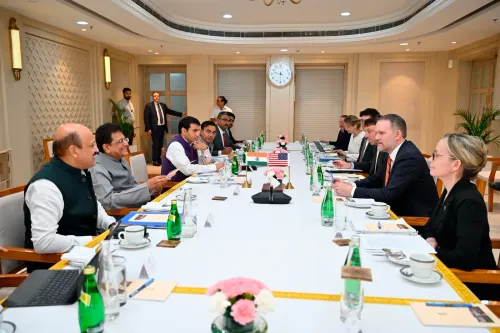
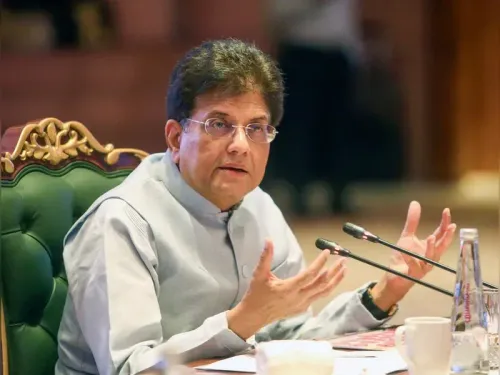
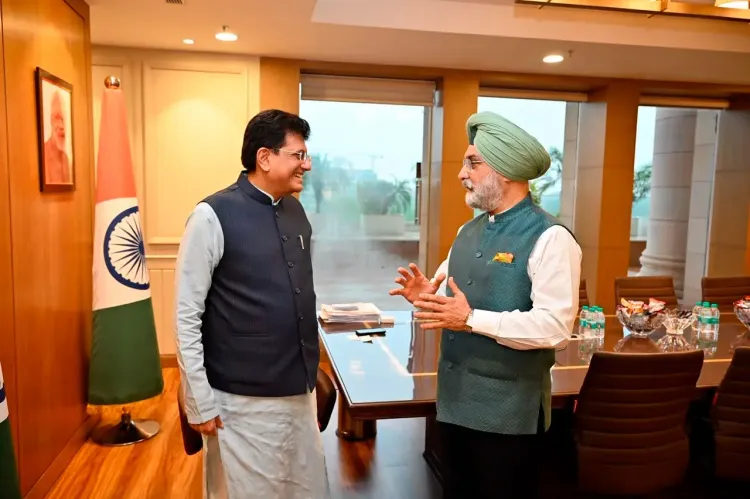
Union Commerce and Industry Minister Piyush Goyal met Lieutenant Governor of Delhi Taranjit Singh Sandhu on Tuesday, July 7, 2026, reaffirming the Centre's commitment to accelerating the national capital's economic growth through a business-friendly environment and expanded investment opportunities.
Goyal, who also serves as Leader of the House in the Rajya Sabha, posted on X that the meeting was a pleasure and underscored a shared resolve to 'nurture a business-friendly environment, empower businesses and unlock new avenues for investment to ensure continued progress' in Delhi.
Context
Taranjit Singh Sandhu, who previously served as India's Ambassador to the United States, now heads the administration of the National Capital Territory of Delhi as its Lieutenant Governor. As a union territory under direct central oversight, Delhi's economic agenda is closely tied to decisions taken at the Union government level, making coordination between the LG office and Central ministries especially significant.
The meeting between Goyal and Sandhu reflects an ongoing effort to align Delhi's local administrative machinery with the Centre's trade and commerce priorities — a pattern that has become more structured since the post-2014 ease-of-doing-business reforms.
Policy Backdrop
India's Make in India initiative, launched in September 2014, set the template for attracting domestic and foreign investment by improving regulatory frameworks across states and union territories. Delhi, as the national capital and a major commercial hub, has been central to this framework, serving as a test case for streamlining business approvals and investment facilitation.
The Commerce and Industry Ministry, under Goyal's leadership, has been the nodal body for ease-of-doing-business rankings, foreign direct investment policy, and industrial promotion — all of which have direct implications for Delhi's commercial ecosystem.
Stakeholders and Impact
Delhi's business community — spanning small and medium enterprises, retail, logistics, and services — stands to benefit directly from any policy coordination that emerges from such high-level meetings. Potential investors, both domestic and foreign, watch signals from the Commerce Ministry and the LG office for cues on regulatory simplification and infrastructure commitments in the capital.
Given Delhi's unique constitutional status as a union territory, the LG holds significant administrative authority, making his alignment with Central economic priorities a prerequisite for effective policy implementation on the ground.
What's Next
Observers will watch for concrete follow-up actions — such as investment summits, regulatory simplification orders, or sector-specific announcements — involving the Delhi LG office and the Ministry of Commerce and Industry in the coming months. The language of 'unlocking new avenues for investment' suggests that specific proposals may already be under discussion, even if details have not been made public yet.
As Delhi continues to compete with other major Indian cities for investment and talent, the political will demonstrated by both the LG and the Union Minister could translate into tangible policy measures that reshape the capital's business landscape in the near term.
Point of View
Whose ministry is the engine of India's ease-of-doing-business reforms, bringing the LG of the national capital into the fold ensures that Delhi does not lag behind states in the investment-attraction race. The choice of Sandhu — a seasoned diplomat with deep ties to the US business community — as interlocutor also hints at a possible push for foreign direct investment into the capital. Watch this space for a formal investment event or a policy announcement that gives this meeting its operational teeth.
NationPress
7 Jul 2026
Frequently Asked Questions
Why did Piyush Goyal meet Delhi LG Taranjit Singh Sandhu?
Piyush Goyal met Delhi LG Taranjit Singh Sandhu on July 7, 2026, to discuss accelerating Delhi's economic growth by building a business-friendly environment and unlocking new avenues for investment, in line with the Centre's broader ease-of-doing-business agenda.
Who is Taranjit Singh Sandhu?
Taranjit Singh Sandhu is the Lieutenant Governor of Delhi. Before this role, he served as India's Ambassador to the United States, giving him significant experience in trade and diplomatic engagement.
What is Piyush Goyal's role in the Indian government?
Piyush Goyal is the Union Minister of Commerce and Industry and also serves as Leader of the House in the Rajya Sabha. He oversees trade policy, foreign direct investment, and ease-of-doing-business reforms.
How does Delhi's status as a union territory affect its economic policy?
As a union territory under direct central oversight, Delhi's administration is led by a centrally appointed Lieutenant Governor, meaning economic policy coordination between the LG office and Union ministries is especially critical for implementing investment and business reforms.
What is the Make in India initiative and how does it relate to Delhi?
Make in India was launched in September 2014 to attract investment and improve the business environment across India. Delhi, as the national capital and a major commercial hub, has been a key focus of this framework, and meetings like the one between Goyal and Sandhu reinforce that agenda.