Goyal meets AIOCD delegation on pharma retail reforms

Synopsis
Union Commerce Minister Piyush Goyal met the AIOCD delegation led by President J. S. Shinde on 7 July 2026 to discuss strengthening India's pharmaceutical retail ecosystem, focusing on fair trade practices, regulatory compliance, and technology adoption for consumer safety.
Key Takeaways
Union Commerce Minister Piyush Goyal held a meeting with the All India Organisation of Chemists and Druggists (AIOCD) on 7 July 2026 .
The AIOCD delegation was led by its President, Shri J.
Discussions covered fair and transparent business practices, a level playing field for all stakeholders, and improved regulatory compliance.
Technology adoption to enhance accessibility, efficiency, and consumer safety was a key agenda item.
The meeting fits a broader pattern of government stakeholder consultations aimed at balancing price controls, quality enforcement, and digital integration in pharma retail.
Follow-up policy action, including possible amendments to the Drugs and Cosmetics Rules , may follow from these deliberations.
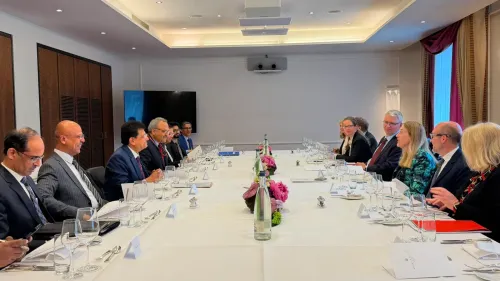
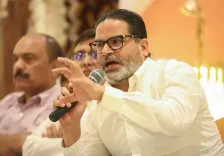
Union Commerce and Industry Minister Piyush Goyal met a delegation from the All India Organisation of Chemists and Druggists (AIOCD) on 7 July 2026 in New Delhi, holding discussions on strengthening India's pharmaceutical retail and distribution ecosystem. The delegation was led by AIOCD President Shri J. S. Shinde.
Context
The meeting brought together the commerce ministry and the country's apex body for retail chemists and druggists to discuss a range of sector-specific concerns. According to Minister Goyal's post, the talks covered 'fair and transparent business practices', regulatory compliance, and the use of technology to improve accessibility, efficiency, and consumer safety.
The AIOCD represents lakhs of retail pharmacists and drug distributors spread across every state in India, making it a critical interlocutor for any policy affecting the last-mile delivery of medicines to consumers.
Policy Backdrop
India's pharmaceutical retail sector has been shaped by decades of incremental regulation. The Drug Price Control Order, revised in 2013, expanded price regulation on essential medicines sold through retail channels, while the Jan Aushadhi scheme, launched in 2008, widened access to affordable generic medicines through dedicated outlets.
In 2018, draft rules for regulating e-pharmacies were notified, signalling the government's intent to bring online medicine sales under a structured framework alongside traditional retail. The National Pharmaceutical Pricing Authority (NPPA) continues to monitor drug prices and availability, adding another regulatory layer to the distribution chain.
Successive governments have used structured stakeholder consultations — much like Tuesday's meeting — to balance price controls, quality enforcement, and digital adoption, while protecting traditional distribution networks from unregulated competition.
Stakeholders and Impact
The discussions are significant for pharmaceutical retailers and drug distributors who have long sought a level playing field, particularly as e-pharmacy platforms have grown rapidly and raised questions about regulatory parity. Consumer safety, including curbing spurious and substandard drugs, remains a persistent concern that any reform must address.
The emphasis on technology adoption in the meeting aligns with broader government efforts to integrate digital traceability tools into the medicines supply chain, reduce leakages, and support India's domestic pharmaceutical manufacturing ambitions. A more compliant and transparent retail ecosystem also reinforces India's standing as a global supplier of affordable medicines.
What's Next
The meeting is expected to feed into ongoing policy deliberations at the commerce and health ministries. Stakeholders will watch for possible follow-up notifications on digital compliance tools or amendments to the Drugs and Cosmetics Rules that could reshape how retail pharmacies operate.
With the commerce ministry now actively engaging the organised retail pharmacy sector, the consultative process signals that any regulatory update is likely to be preceded by broader industry dialogue — a pattern that could set the tone for phased reforms in pharmaceutical distribution over the coming months.
Point of View
A space traditionally led by the health ministry. The timing is notable given unresolved regulatory questions around e-pharmacies and the sector's push for parity. By anchoring the conversation around technology and transparency, the ministry appears to be laying the groundwork for a compliance-first reform approach rather than a price-intervention one. This consultative posture suggests that any forthcoming regulatory change will be incremental and negotiated, not unilateral.
NationPress
6 Oct 2026
Frequently Asked Questions
What did Piyush Goyal discuss with AIOCD on 7 July 2026?
Minister Piyush Goyal discussed strengthening the pharmaceutical retail and distribution ecosystem with the AIOCD delegation, covering fair trade practices, regulatory compliance, technology adoption, and consumer safety.
What is the AIOCD and what does it represent?
The All India Organisation of Chemists and Druggists (AIOCD) is India's national apex body representing retail chemists and drug distributors across the country, advocating for the interests of lakhs of pharmacy trade members.
Who led the AIOCD delegation in the meeting with Piyush Goyal?
The AIOCD delegation was led by its President, Shri J. S. Shinde.
What is the government's policy history on pharmaceutical retail in India?
Key milestones include the Jan Aushadhi scheme launched in 2008 for affordable generic medicines, the revised Drug Price Control Order of 2013, and draft e-pharmacy regulations notified in 2018 to bring online medicine sales under a structured framework.
What regulatory changes could follow from the Goyal-AIOCD meeting?
Possible outcomes include follow-up notifications on digital compliance tools for pharmacies or amendments to the Drugs and Cosmetics Rules, though no specific commitments from the meeting have been confirmed.