Global Drug Regulatory Conclave 2026: India pushes for closer medicine regulator ties
Synopsis
At the Global Drug Regulatory Conclave 2026 in New Delhi, India signalled an ambitious dual play: push for international regulatory harmonisation while modernising its own drug approval infrastructure with a digital platform rollout within 18 months. Backed by nine FTAs and a 73% export surge, India is moving to convert manufacturing scale into regulatory influence.
Key Takeaways
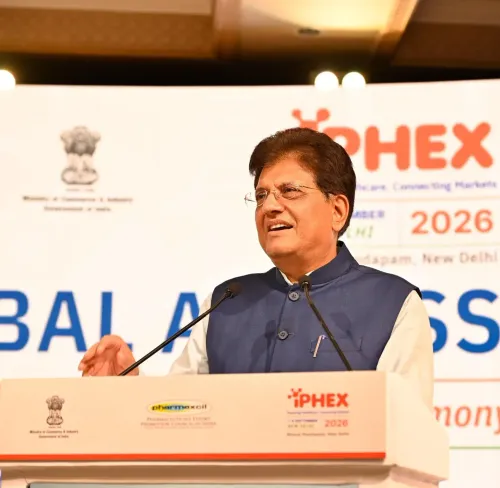
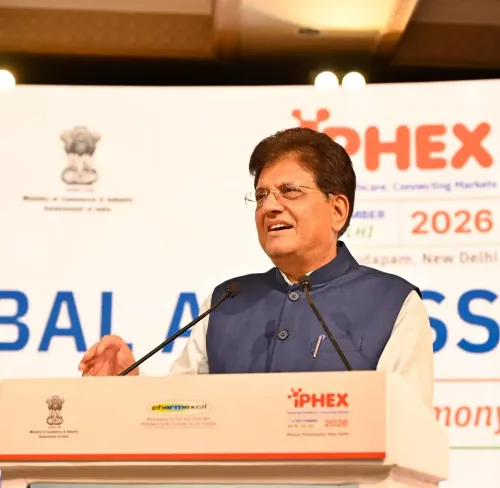
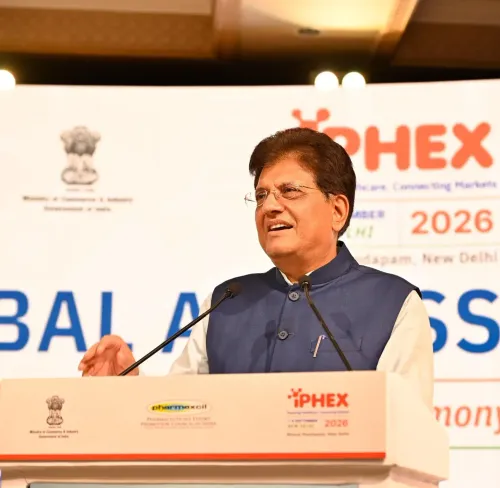
Commerce Minister Piyush Goyal called for closer global medicine regulator cooperation at the GDRC 2026 on 31 July 2026 at Bharat Mandapam, New Delhi .
DCGI Dr Rajeev Singh Raghuvanshi announced the CDSCO will launch the first phase of an end-to-end digital drug regulatory platform within 18 months .
Health Minister J.P.
Nadda said India is building a future-ready regulatory framework balancing innovation with patient safety.
India has signed 9 FTAs providing access to $60 trillion in markets, with exports rising 73% over five years.
The conclave is organised by Pharmexcil and focuses on strengthening India's pharmaceutical regulatory ecosystem internationally.
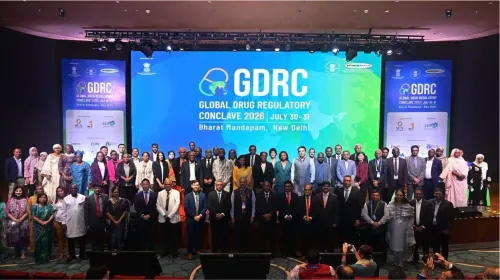
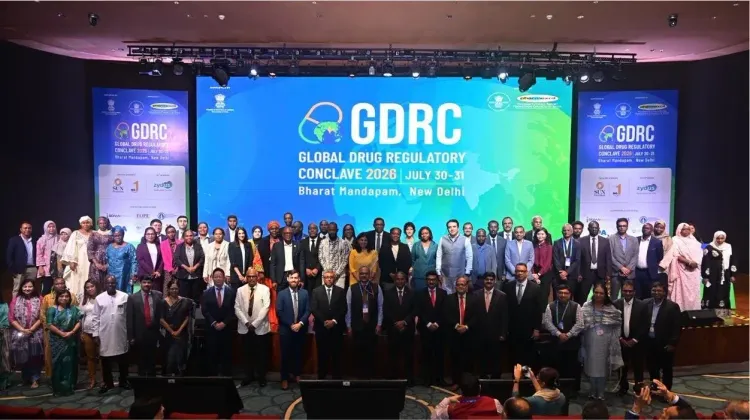
Commerce and Industry Minister Piyush Goyal on Friday, 31 July 2026 called for deeper cooperation among the world's drug regulators, backed by India's growing web of trade agreements, as the two-day Global Drug Regulatory Conclave 2026 (GDRC 2026) opened at Bharat Mandapam, New Delhi. The forum, described as India's flagship international platform for pharmaceutical regulatory convergence, brings together heads and senior officials of national drug regulatory authorities from across the globe.
What the Conclave Aims to Achieve
Goyal, posting on X, said that stronger regulatory cooperation would enable faster access to high-quality, affordable medicines for patients worldwide while reinforcing India's standing as a global hub for pharmaceutical innovation. He wished the conclave success in fostering collaboration among the Indian pharmaceutical industry, global regulators, and other stakeholders — with the goal of building a more resilient, innovative, and patient-centric global healthcare ecosystem.
The conclave is organised by Pharmexcil and focuses specifically on strengthening India's pharmaceutical regulatory ecosystem, both domestically and in its international interfaces.
Health Minister Nadda's Virtual Address
Union Health Minister J.P. Nadda, addressing the conclave virtually, said India is building a future-ready drug regulatory framework designed to accelerate healthcare innovation while upholding the highest standards of patient safety, quality, and efficacy. His remarks underscored the Centre's intent to position India not merely as a manufacturer but as a regulatory standard-setter in global pharma.
CDSCO's Digital Platform Push
Drugs Controller General of India (DCGI) Dr Rajeev Singh Raghuvanshi announced that the Central Drugs Standard Control Organisation (CDSCO) will roll out the first phase of an end-to-end digital drug regulatory platform within the next 18 months. The move marks a significant step in modernising India's regulatory infrastructure, potentially reducing approval timelines and improving transparency for both domestic manufacturers and international partners.
India's Trade Footprint Backs the Push
In a separate post on X, Goyal highlighted that India has signed nine landmark free trade agreements (FTAs), unlocking $60 trillion in market access and driving a 73 per cent surge in exports over the past five years. 'Decisive leadership delivers decisive outcomes, and India's trade transformation under Prime Minister Narendra Modi is a powerful testament to that,' Goyal said. These FTAs are expected to serve as conduits for faster mutual recognition of drug approvals and smoother market entry for Indian pharmaceuticals globally.
What Comes Next
With the GDRC 2026 running across two days, outcomes are expected to include frameworks for regulatory harmonisation, data-sharing protocols, and potentially bilateral regulatory recognition arrangements. The CDSCO digital platform rollout over the next 18 months will be a key benchmark for whether India's modernisation commitments translate into measurable efficiency gains for the industry and patients alike.
Point of View
But the gap between announcement and execution remains wide. The CDSCO's 18-month digital platform deadline is ambitious for an agency that has historically moved cautiously on IT infrastructure. More critically, FTA market access does not automatically translate into mutual drug approval recognition; those negotiations are slower and more politically complex than tariff deals. India's pharmaceutical sector is the world's third-largest by volume, yet its regulatory credibility with the US FDA and EMA has been tested by repeated manufacturing violations. Until that trust deficit is addressed, the 'global regulatory hub' framing risks outpacing the underlying reality.
NationPress
14 Sept 2026
Frequently Asked Questions
What is the Global Drug Regulatory Conclave 2026?
The Global Drug Regulatory Conclave 2026 (GDRC 2026) is a two-day international forum held at Bharat Mandapam in New Delhi, organised by Pharmexcil. It brings together heads and senior officials of national drug regulatory authorities from across the world to advance pharmaceutical regulatory cooperation and convergence.
What did Commerce Minister Piyush Goyal say at GDRC 2026?
Goyal called for closer cooperation among global medicine regulators, supported by India's network of free trade agreements. He said such cooperation would enable faster access to high-quality, affordable medicines for patients worldwide and strengthen India's position as a global pharmaceutical innovation hub.
What is the CDSCO digital drug regulatory platform?
The Central Drugs Standard Control Organisation (CDSCO) plans to roll out the first phase of an end-to-end digital drug regulatory platform within 18 months, as announced by DCGI Dr Rajeev Singh Raghuvanshi at GDRC 2026. The platform is intended to modernise India's drug approval and regulatory infrastructure.
How do India's free trade agreements relate to its pharmaceutical ambitions?
India has signed nine free trade agreements providing access to markets worth $60 trillion, with exports rising 73% over the past five years. These agreements are expected to facilitate faster mutual recognition of drug approvals and smoother entry for Indian pharmaceutical products in partner markets.
Who organised GDRC 2026 and who attended?
GDRC 2026 was organised by Pharmexcil and is described as India's flagship international forum on pharmaceutical regulatory cooperation. It was attended by heads and senior officials of national drug regulatory authorities from multiple countries, with Health Minister J.P. Nadda addressing the conclave virtually.