Goyal Launches iPHEX 2026, Eyes 600+ Global Pharma Buyers
Synopsis
Union Commerce Minister Piyush Goyal launched iPHEX 2026 at PharmaEXCIL's Global Ambassadors Meet on June 8, 2026, targeting over 600 overseas buyers. He invoked PM Modi's vision of inclusive healthcare, anchoring India's pharma export push on trust, innovation, and partnership.
Key Takeaways
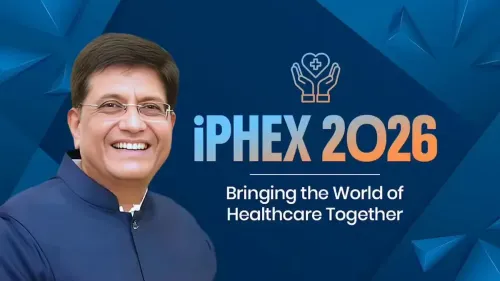
Union Commerce Minister Piyush Goyal addressed the PharmaEXCIL Global Ambassadors Meet and launched iPHEX 2026 on June 8, 2026 . iPHEX 2026 is the 12th edition of the International Pharmaceutical Exhibition, expected to draw 600-plus overseas buyers .
Goyal cited PM Narendra Modi 's vision of inclusive healthcare and affordable medicines as the guiding framework for India's pharma export strategy.
The sector's growth is anchored on three stated pillars: Trust, Innovation, and Partnership .
India's pharma export push is backed by the Production Linked Incentive (PLI) scheme and efforts to diversify beyond traditional markets in Africa, Latin America, and the US .
PharmaEXCIL serves as the apex trade body coordinating India's international pharmaceutical exhibition diplomacy.
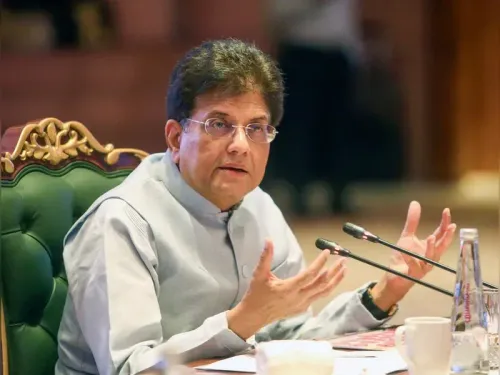
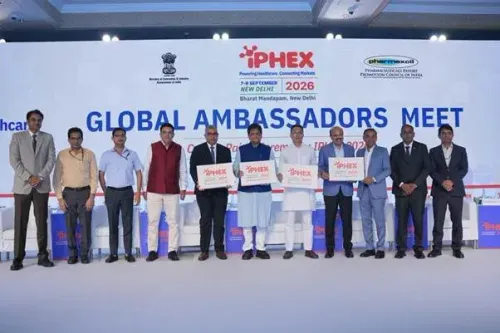
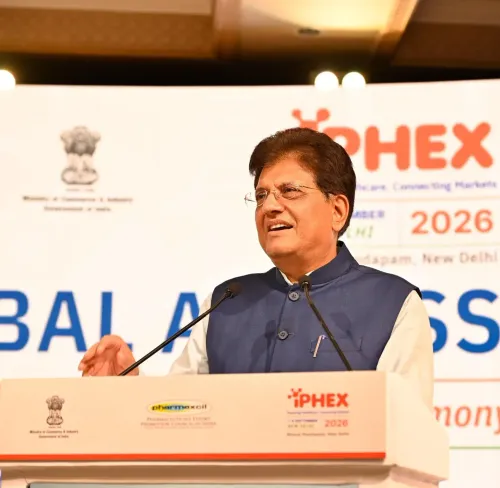
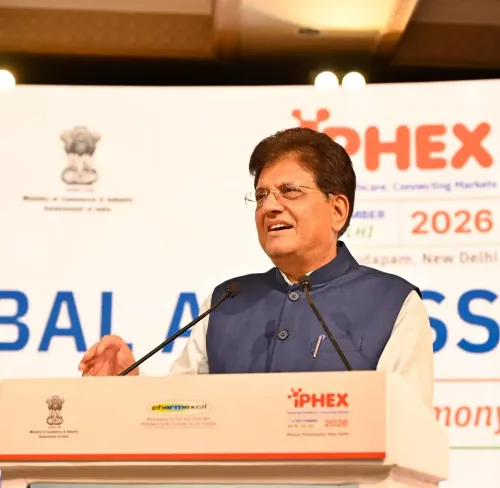
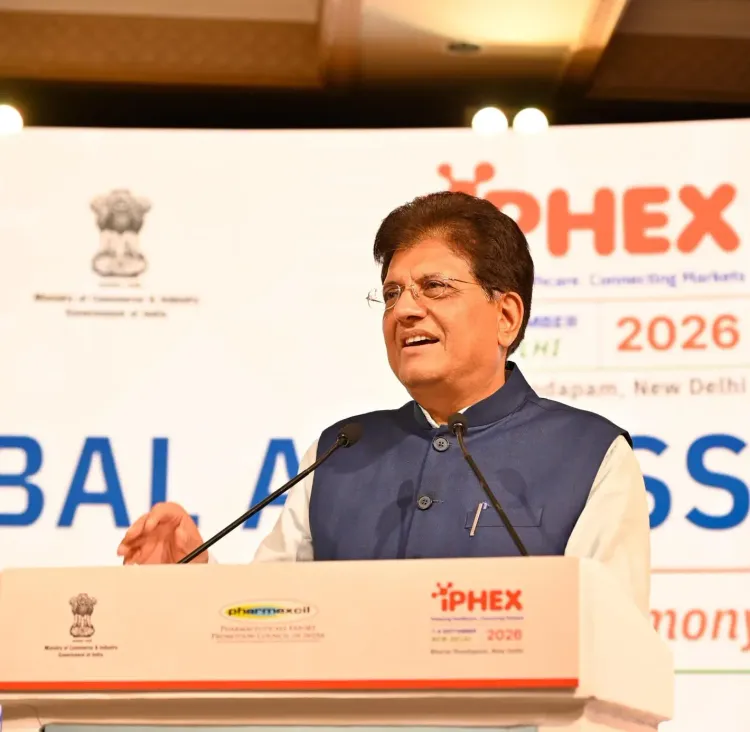
Union Commerce and Industry Minister Piyush Goyal on Monday, June 8, 2026, addressed the Global Ambassadors Meet organised by the Pharmaceuticals Export Promotion Council of India (PharmaEXCIL) and formally launched the 12th edition of the International Pharmaceutical Exhibition (iPHEX) 2026, underscoring India's ambitions as a global pharmaceutical powerhouse.
Context
Speaking at the event, Minister Goyal highlighted Prime Minister Narendra Modi's vision of inclusive healthcare for all, describing how India's pharmaceutical sector is transforming lives worldwide through affordable medicines. He framed the sector's growth around three pillars: Trust, Innovation, and Partnership. The launch signals the government's continued push to position India as the preferred source for generic medicines and healthcare solutions globally.
iPHEX 2026 is expected to draw leading exhibitors and over 600 overseas buyers, bringing together stakeholders from across the global pharmaceutical and healthcare ecosystem. The event serves as a critical interface between Indian manufacturers and international procurement agencies, distributors, and regulators.
Policy Backdrop
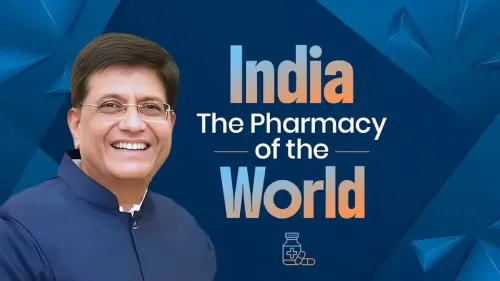
India's claim to the title 'pharmacy of the world' has been built over two decades through sustained generic medicine exports and proactive trade facilitation. The Production Linked Incentive (PLI) scheme for pharmaceuticals has been a cornerstone of this strategy, designed to expand domestic manufacturing capacity and make Indian exports more competitive on quality and cost.
PharmaEXCIL, the apex trade body under the Ministry of Commerce, has been central to this effort — organising international exhibitions, coordinating buyer-seller engagements, and facilitating regulatory dialogue with partner countries. iPHEX, its flagship annual exhibition, has grown into one of Asia's prominent platforms for pharmaceutical trade diplomacy.
The government has also been actively working to diversify export destinations beyond traditional markets in Africa, Latin America, and the United States, seeking to reduce concentration risk and open new corridors for Indian generics and active pharmaceutical ingredients (APIs).
Stakeholders and Impact
For Indian pharma exporters, iPHEX 2026 represents a direct pipeline to international buyers at a time when global demand for affordable medicines remains high. Healthcare providers and procurement agencies from developing economies in particular look to India for cost-competitive, quality-assured drug supplies.
The participation of 600-plus overseas buyers — if realised — would mark a significant gathering of international demand under one roof, enabling manufacturers to showcase new product lines, compliance credentials, and manufacturing capabilities. Smaller and mid-sized exporters stand to benefit from the platform's ability to reduce the cost and complexity of international market entry.
Ambassador-level participation at the Global Ambassadors Meet adds a diplomatic dimension, signalling that the government views pharmaceutical exports not merely as a commercial priority but as an instrument of soft power and bilateral goodwill.
What's Next
Attention will now turn to the actual outcomes of iPHEX 2026 — specifically the volume and value of buyer-seller meetings concluded and any follow-on trade agreements or supply commitments that emerge. The government's annual pharma export policy review, including the next round of PLI disbursement data and revised export targets, will also be closely watched as a measure of whether the sector's momentum is translating into hard numbers.
As India deepens its healthcare diplomacy through platforms like iPHEX, the long-term test will be whether expanded buyer relationships convert into durable, diversified export partnerships — reinforcing the country's standing as an indispensable node in the global medicines supply chain.
Point of View
The minister frames pharma exports not just as a trade metric but as a humanitarian contribution, a narrative useful both domestically and in bilateral engagements. The ambassador-level audience signals that pharmaceutical trade is being elevated to a foreign-policy instrument, particularly as India seeks to deepen ties with the Global South. The real measure of success, however, will come from post-exhibition data on actual deals concluded and sustained export growth rather than footfall numbers.
NationPress
26 Oct 2026
Frequently Asked Questions
What is PharmaEXCIL?
PharmaEXCIL, or the Pharmaceuticals Export Promotion Council of India, is the apex trade body under the Ministry of Commerce that promotes Indian pharma exports through trade fairs, buyer-seller meets, and regulatory engagement.
Why did Piyush Goyal address the Global Ambassadors Meet?
Minister Goyal addressed the meet to underscore the government's commitment to pharma export promotion, highlight PM Modi's inclusive healthcare vision, and formally launch iPHEX 2026 before an audience that included foreign ambassadors and global industry representatives.
How many overseas buyers are expected at iPHEX 2026?
Over 600 overseas buyers are expected to participate in iPHEX 2026, according to statements made at the launch event.
What is India's PLI scheme for pharmaceuticals?
The Production Linked Incentive scheme for pharmaceuticals is a government programme that provides financial incentives to manufacturers to expand domestic production capacity, improve quality standards, and boost pharmaceutical exports.