India's pharma exports hit $31 bn; Goyal eyes global manufacturing hub status
Synopsis
India's pharma exports have nearly doubled to $31 billion in a decade, and the government is now betting on a $50 billion target by 2030. With diplomats from 98 countries at the table and iPHEX 2026 on the horizon, New Delhi is making a calculated push to reposition India from generic medicines supplier to the world's most trusted pharmaceutical manufacturing partner.
Key Takeaways
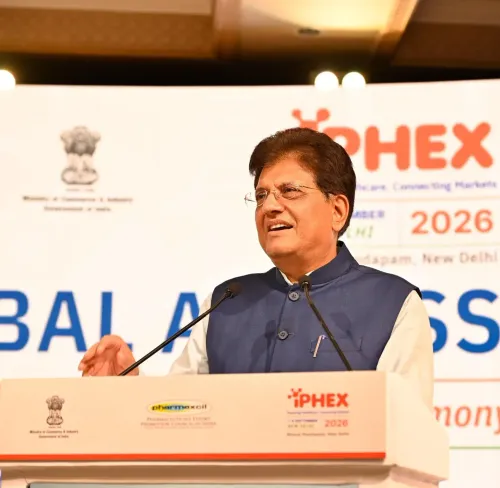
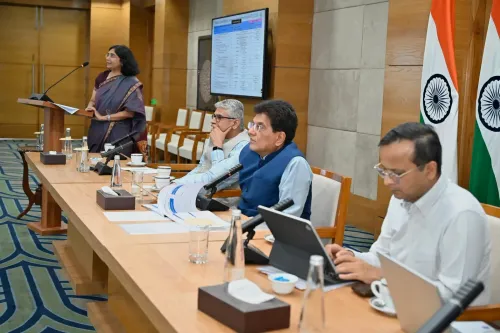
Commerce Minister Piyush Goyal addressed the Global Ambassador Meet on the Pharmaceutical Sector in New Delhi on 9 June .
India's pharmaceutical exports grew from $14 billion in FY 2014-15 to $31 billion in FY 2025-26, reaching patients in over 200 countries .
Commerce Secretary Rajesh Agrawal outlined a target of $50 billion in pharma exports by 2030 .
India has over 10,500 manufacturing units and more than 60,000 generic brands across 60 therapeutic categories .
Over 60% of India's pharma exports go to highly regulated markets, signalling quality credibility. iPHEX 2026 will be held at Bharat Mandapam from 7–9 September , with 700+ exhibitors and 600+ overseas delegates expected.
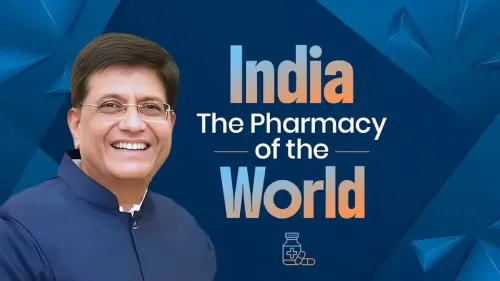
Commerce and Industry Minister Piyush Goyal on Tuesday, 9 June declared India well-positioned to emerge as the world's preferred pharmaceutical manufacturer, contract manufacturing destination, and supplier of affordable medicines, addressing the Global Ambassador Meet on the Pharmaceutical Sector in New Delhi. The minister's remarks came as India's pharma exports crossed $31 billion in FY 2025-26, nearly doubling from $14 billion in FY 2014-15.
Key Developments at the Global Ambassador Meet
Goyal underscored that Indian medicines are now reaching patients in more than 200 countries, backed by the industry's established quality standards and expanding manufacturing capabilities. He invited global companies to invest, manufacture, and collaborate in India, positioning the country as a hub not just for generics but for innovation-driven pharmaceutical growth.
The minister described iPHEX 2026 — scheduled at Bharat Mandapam, New Delhi from 7 to 9 September — as a critical showcase platform. He urged Ambassadors, High Commissioners, and representatives of foreign missions present at the meet to encourage participation from their respective countries. The event is expected to draw more than 700 exhibitors, over 600 overseas business delegates, and around 25,000 domestic visitors.
India's $50 Billion Pharma Export Target by 2030
Commerce Secretary Rajesh Agrawal laid out India's ambition to achieve $50 billion in pharmaceutical exports by 2030, driven by quality upgrades, innovation, regulatory excellence, and market diversification. He noted that India currently operates more than 10,500 manufacturing units and offers over 60,000 generic brands across 60 therapeutic categories.
Agrawal further highlighted that over 60 per cent of India's pharmaceutical exports are directed to highly regulated markets — a figure that reflects growing international confidence in Indian manufacturing standards. This comes amid a global push by several countries to reduce dependence on single-source supply chains, a dynamic that has worked in India's favour since the COVID-19 pandemic.
iPHEX 2026 and Global Drug Regulatory Conclave Launched
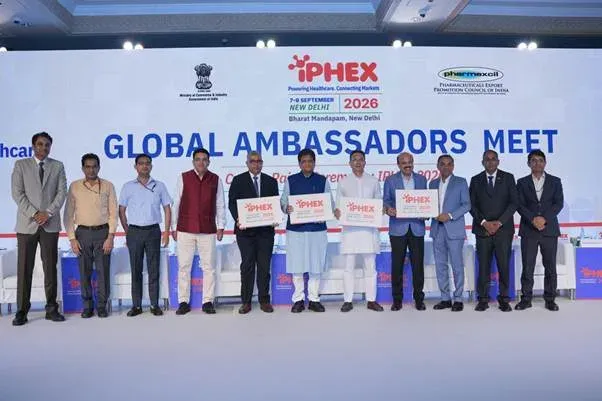
The occasion also saw the formal launch of the Curtain Raiser for the Global Drug Regulatory Conclave 2026, scheduled for 30–31 July. The Conclave is expected to bring together regulators, policymakers, and industry leaders globally to deliberate on regulatory convergence, mutual reliance mechanisms, and emerging challenges in pharmaceutical regulation.
A promotional video for both iPHEX 2026 and the Global Drug Regulatory Conclave 2026 was released at the event. The Global Ambassador Meet itself witnessed participation from diplomats of 98 countries, alongside pharmaceutical industry representatives, regulators, healthcare stakeholders, and senior government officials.
India's Pharma Sector: From Generics to Innovation
Notably, while India's dominance in generic medicines remains intact, the sector is increasingly pivoting toward higher-value products, advanced healthcare technologies, and research-driven growth. Goyal's remarks signal a deliberate policy push to reframe India's pharmaceutical identity — from a low-cost supplier to a trusted, innovation-capable partner for the global healthcare ecosystem.
With iPHEX 2026 and the Regulatory Conclave both on the horizon, the coming months will test whether this diplomatic and institutional momentum translates into binding investment commitments and long-term supply partnerships.
Point of View
Yet India still faces periodic import alerts from the US FDA and European regulators. Goyal's pitch to ambassadors is politically smart, but the credibility gap between India's manufacturing scale and its regulatory consistency remains the sector's unresolved tension. iPHEX 2026 and the Global Drug Regulatory Conclave are useful platforms, but binding investment and long-term supply agreements will only follow if India can demonstrate sustained compliance, not just capacity.
NationPress
20 Sept 2026
Frequently Asked Questions
What did Piyush Goyal say at the Global Ambassador Meet on the Pharmaceutical Sector?
Commerce and Industry Minister Piyush Goyal said India is well-positioned to serve the world as a pharmaceutical innovator, manufacturer, and trusted supplier of affordable medicines. He invited global companies to invest and collaborate in India, and urged diplomats from 98 countries to encourage participation in iPHEX 2026.
How much have India's pharmaceutical exports grown?
India's pharmaceutical exports have nearly doubled from approximately $14 billion in FY 2014-15 to approximately $31 billion in FY 2025-26. Indian medicines now reach patients in more than 200 countries.
What is India's pharmaceutical export target for 2030?
Commerce Secretary Rajesh Agrawal outlined a target of $50 billion in pharmaceutical exports by 2030, to be achieved through quality improvements, innovation, regulatory excellence, and market diversification.
What is iPHEX 2026 and when will it be held?
iPHEX 2026 is India's international pharmaceutical and healthcare exhibition, scheduled at Bharat Mandapam in New Delhi from 7 to 9 September 2026. It is expected to feature more than 700 exhibitors, over 600 overseas business delegates, and around 25,000 domestic visitors.
What is the Global Drug Regulatory Conclave 2026?
The Global Drug Regulatory Conclave 2026 is scheduled for 30–31 July and will bring together regulators, policymakers, and industry leaders to discuss regulatory convergence, mutual reliance mechanisms, and emerging challenges in pharmaceutical regulation. Its Curtain Raiser was launched at the Global Ambassador Meet on 9 June.