SP-Congress deny UP 2027 seat-sharing rift, united against 'anti-people' BJP
Synopsis
SP and Congress are publicly closing ranks ahead of UP 2027, but Congress reportedly demanding 181 of 403 seats — nearly 45% — while Akhilesh Yadav insists allocation follow on-ground electoral strength. The postponed talks and that widening numbers gap tell a more complicated story than the official unity messaging.
Key Takeaways
SP and Congress jointly denied seat-sharing differences on 22 November 2026 , ahead of 2027 Uttar Pradesh Assembly elections .
Scheduled talks in New Delhi on 17 November were postponed; no new date has been announced.
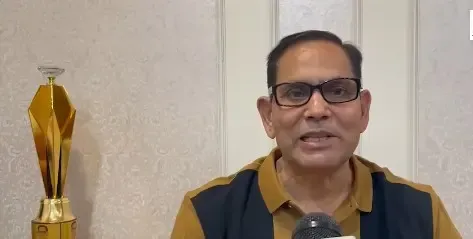
SP MP Awadhesh Prasad ruled out any disagreement, saying both parties share the goal of removing the BJP from power in UP.
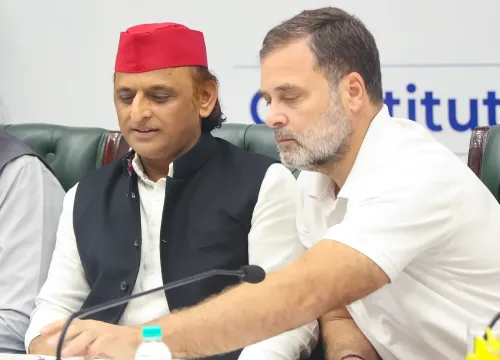
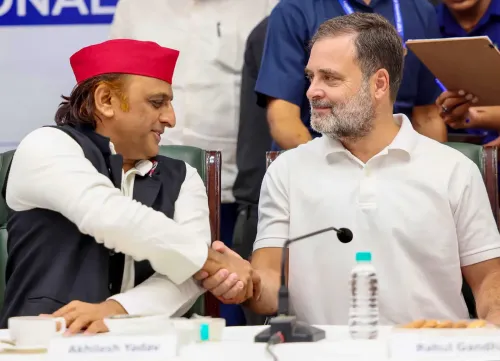
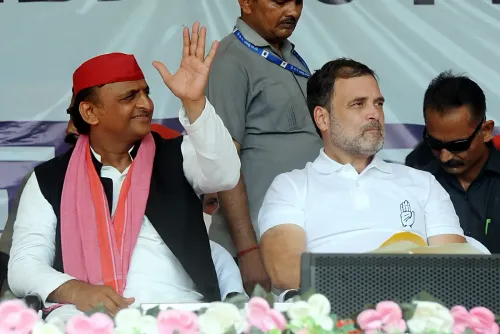
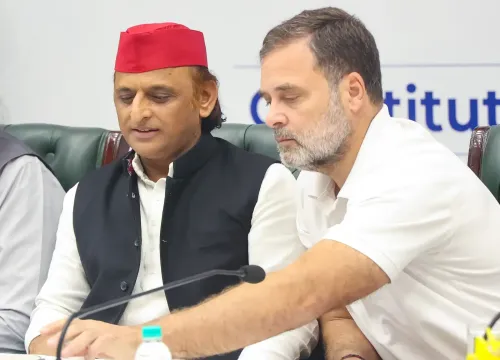
Congress spokesperson Surendra Rajput said the final seat formula would be decided by Rahul Gandhi , Akhilesh Yadav , and Mallikarjun Kharge .
Congress has reportedly submitted a demand for 181 seats out of 403 constituencies ; Yadav has signalled allocation will be guided by each party's winning potential.
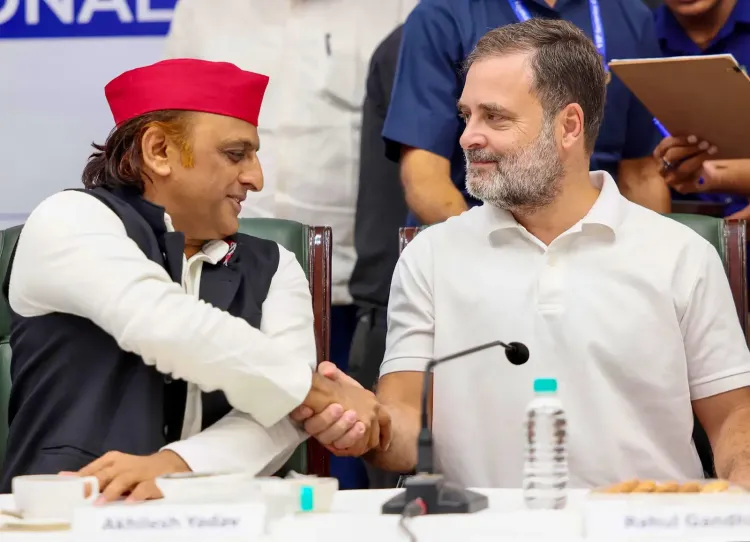
The Samajwadi Party (SP) and the Indian National Congress on Sunday, 22 November 2026, jointly dismissed speculation about divisions between the two opposition parties over seat-sharing for the 2027 Uttar Pradesh Assembly elections, insisting that all decisions would emerge from mutual consultations aimed at unseating the Bharatiya Janata Party (BJP) government in the state. The joint denial came after reports surfaced of a stall in alliance negotiations.
What Triggered the Clarification
Talks between the SP and Congress, originally scheduled to begin in New Delhi on 17 November, were postponed without a fresh date being announced. The delay fuelled speculation about behind-the-scenes disagreements, prompting both parties to go on record rejecting any rift. This comes at a critical juncture — with roughly a year remaining before the UP polls — when alliance arithmetic can define the opposition's electoral viability in India's most populous state.
What SP and Congress Said
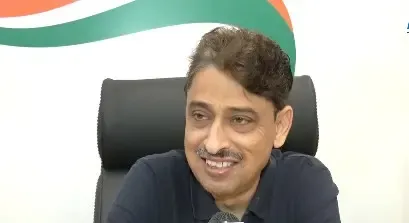
Samajwadi Party MP Awadhesh Prasad categorically ruled out any disagreement between the two alliance partners. 'There is no possibility of any differences between the Congress and the Samajwadi Party over seat-sharing. Everything is being discussed and decided thoughtfully, keeping in mind the common goal of removing the ‘anti-people’ government of the Bharatiya Janata Party. There is absolutely no possibility of any differences over seat-sharing,' Prasad said.
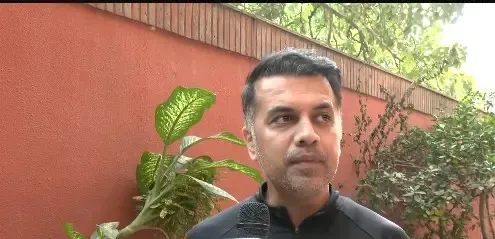
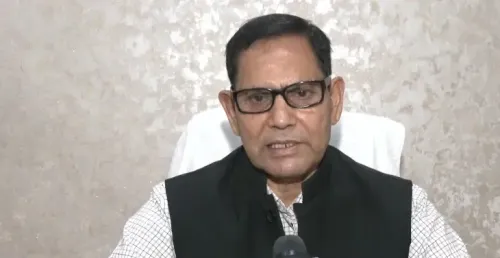
Congress spokesperson Surendra Rajput echoed that position, stressing that the alliance's focus was on securing political representation for marginalised communities. 'Our discussions are underway. We are focusing on the marginalised, including the Nal, Neel, Kol, and Bhil communities, as well as the backward classes, Dalits, Adivasis, women, the youth, farmers, the oppressed, and minorities. Upon winning the election, we will ensure that representatives from all these sections reach the Legislative Assembly. The specific formula for their representation will be determined through consultations between Rahul Gandhi, Akhilesh Yadav, and Mallikarjun Kharge,' Rajput said.
The Numbers Behind the Friction
Beneath the united front, the gap in expectations is stark. Reports indicate that the Congress has submitted a list seeking 181 seats out of the 403 total Assembly constituencies in Uttar Pradesh — a demand that amounts to nearly 45% of all seats. SP chief Akhilesh Yadav, however, has signalled a different calculus, stating that seat allocation would be guided by each party's demonstrable electoral strength in a given constituency. Yadav has indicated that the party better placed to win a particular seat should be fielded there — a principle that implicitly caps Congress's share to its organisational footprint, which remains limited in the state.
What the Alliance Means for UP 2027
The SP-Congress alliance is widely seen as the most credible opposition challenge to the BJP in Uttar Pradesh, a state that sends 80 Lok Sabha members and whose assembly results often signal national political trends. The two parties had contested the 2024 Lok Sabha elections together under the INDIA bloc arrangement, making gains that emboldened opposition strategists. Notably, any public display of discord at this stage risks demoralising cadres and giving the BJP an early advantage in narrative framing ahead of the state polls. The alliance's ability to finalise seat-sharing without a public rupture will be a key test of its cohesion.
What Happens Next
No revised date for the next round of seat-sharing talks has been announced by either party. Final seat distribution, according to Congress spokesperson Rajput, will be settled through direct consultations among the top leadership — Gandhi, Yadav, and Kharge. How that trilateral negotiation resolves the gap between Congress's ask of 181 seats and SP's strength-based formula will determine whether this alliance holds into 2027 or fractures under pressure.
Point of View
But it does not resolve the underlying tension: Congress wanting nearly half the seats in a state where it has a fraction of SP's organisational depth is a maximalist opening position, not a workable compromise. Akhilesh Yadav's 'strength-based' formula is a polite way of saying Congress will get far fewer. The postponed 17 November talks are the real signal here — unity messaging tends to come out loudest precisely when backroom arithmetic is not adding up. How the Gandhi-Yadav-Kharge trilateral actually bridges a potential 100-plus-seat gap, without either side losing face with its cadres, is the story mainstream coverage is not yet asking.
NationPress
22 Nov 2026
Frequently Asked Questions
Have SP and Congress finalised seat-sharing for the 2027 UP Assembly elections?
No. As of 22 November 2026, seat-sharing talks between the Samajwadi Party and Congress remain ongoing and a scheduled round of discussions that was due on 17 November has been postponed. No revised date has been announced.
How many seats is Congress demanding in Uttar Pradesh?
Reports indicate Congress has submitted a list seeking 181 seats out of 403 Assembly constituencies in Uttar Pradesh. SP chief Akhilesh Yadav has indicated that final allocation will depend on each party's electoral strength in individual constituencies.
Why are SP and Congress denying any rift?
Both parties issued public clarifications on 22 November after the postponement of alliance talks triggered speculation about behind-the-scenes disagreements. SP MP Awadhesh Prasad and Congress spokesperson Surendra Rajput both insisted discussions were proceeding smoothly toward a common goal.
Who will decide the final seat-sharing formula between SP and Congress?
Congress spokesperson Surendra Rajput said the final formula will emerge from consultations among Congress leader Rahul Gandhi, SP chief Akhilesh Yadav, and Congress president Mallikarjun Kharge.
What is the common objective stated by SP and Congress for UP 2027?
Both parties have stated their shared goal is to remove what they call the 'anti-people' Bharatiya Janata Party government from power in Uttar Pradesh. They have also emphasised ensuring political representation for marginalised communities including Dalits, Adivasis, backward classes, women, farmers, and minorities.