Is there a rising number of foreign nationals in Gopalganj?
Synopsis
BJP MLA Mithilesh Tiwari raises alarming concerns about the presence of foreign nationals in Gopalganj, questioning their status and the implications for local security. This issue has sparked significant debate during the Bihar Assembly's budget session.
Key Takeaways
Mithilesh Tiwari raises concerns over foreign nationals in Gopalganj.
Over 173 foreign nationals reportedly arrived between 1990 and 2015.
Questions arise about their current status and potential security risks.
Deputy Chief Minister assures a thorough investigation.
The issue adds complexity to the budget session debates.
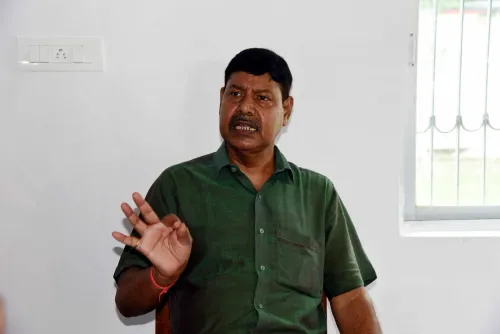
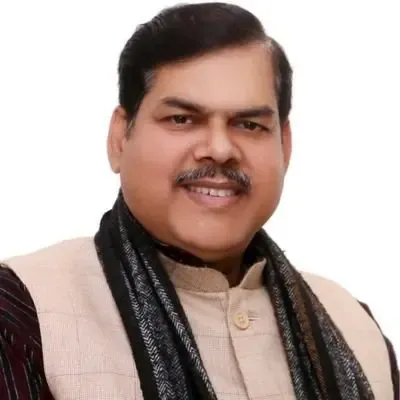
Patna, Feb 9 (NationPress) During the fifth day of Bihar Assembly’s budget session, BJP MLA Mithilesh Tiwari from Baikunthpur expressed serious concerns regarding the influx of foreign nationals in Gopalganj district during the Question Hour.
Tiwari highlighted that a significant number of foreign nationals arrived in Gopalganj between 1990 and 2015, a span of 25 years.
He probed whether all had returned to their home countries or if some had chosen to settle permanently in the district.
The BJP legislator revealed that 167 individuals from Rawalpindi, Pakistan, reportedly came to Gopalganj, but there is no concrete information regarding their current whereabouts.
He voiced concerns that some may be residing in the district under altered identities, suggesting this could indicate a serious conspiracy.
“Individuals come for religious pilgrimages and later obtain Indian citizenship. The Minister confirmed that 173 foreign nationals entered Gopalganj between 1990 and 2015, despite the district lacking any major religious site aside from the Thawe temple. We need to ascertain whether the government possesses any documentation regarding these individuals,” Tiwari stated in the Assembly.
After the session, Mithilesh Tiwari informed reporters that he was unaware if these foreign nationals’ names were included in any FIRs.
However, he speculated that they might have relocated, built homes, changed their names, or even acquired Aadhaar cards.
He further theorized that some could be residing in Kishanganj or other districts, emphasizing the need for a thorough investigation into their motives for arrival and settlement.
According to Tiwari, Deputy Chief Minister and Home Minister Samrat Choudhary assured the House that a detailed inquiry would be conducted into the matter.
Tiwari added that he had submitted specific recommendations to the Home Minister, which he urged should be considered in the investigation.
This issue has introduced both a security and demographic aspect to the ongoing discussions during the budget session, with members from both the opposition and ruling party closely monitoring the government's response to the investigation.
Point of View
It’s essential to recognize that the concerns raised by MLA Mithilesh Tiwari regarding foreign nationals in Gopalganj highlight broader issues of immigration and local security. It’s crucial for the government to conduct a thorough investigation to address these concerns while ensuring transparency and public safety.
NationPress
3 Oct 2026
Frequently Asked Questions
Why did Mithilesh Tiwari raise concerns about foreign nationals?
Mithilesh Tiwari raised concerns about foreign nationals in Gopalganj due to the significant number that arrived between 1990 and 2015, questioning their current status and implications for security.
How many foreign nationals reportedly came to Gopalganj?
According to Tiwari, 173 foreign nationals arrived in Gopalganj between 1990 and 2015, with 167 of them from Rawalpindi, Pakistan .
What did the Deputy Chief Minister say about the issue?
Deputy Chief Minister and Home Minister Samrat Choudhary assured that a detailed inquiry into the presence of foreign nationals would be conducted.
What potential implications were mentioned regarding the foreign nationals?
Tiwari expressed concerns that some foreign nationals might be living under different identities, which could indicate a serious conspiracy.
What suggestions did Tiwari propose to the government?
Tiwari submitted specific recommendations to the Home Minister for consideration as part of the inquiry into the issue.