Is India's Reliance on Imported Pulses a Cause for Alarm? Shivraj Singh Chouhan Raises Concerns
Synopsis
Union Minister Shivraj Singh Chouhan has raised alarms over India's increasing reliance on imported pulses due to declining domestic production. He emphasized the need for immediate action from all stakeholders to rectify this trend during a national seminar in Sehore, Madhya Pradesh.
Key Takeaways
Urgent need for revitalization of pulse cultivation Farmers shifting focus towards more profitable crops National roadmap to enhance pulse production Significant funding allocated for agricultural support Engagement with farmers is essential for policy making
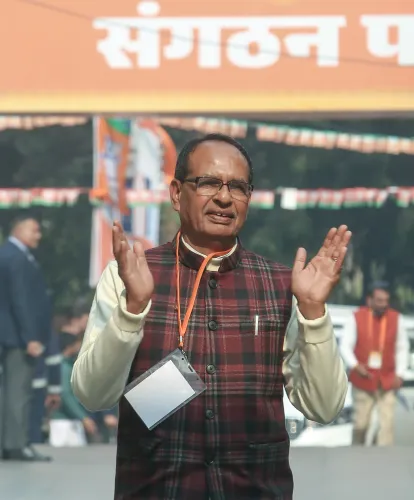
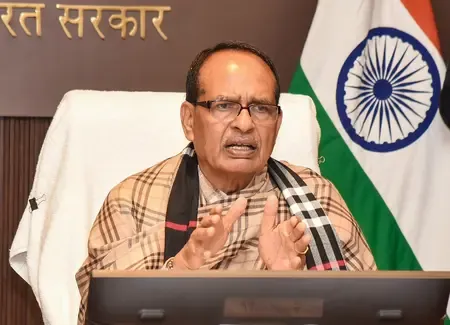
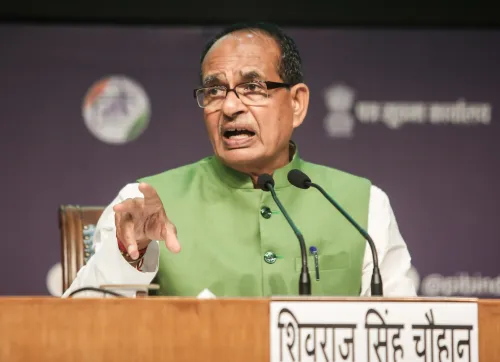
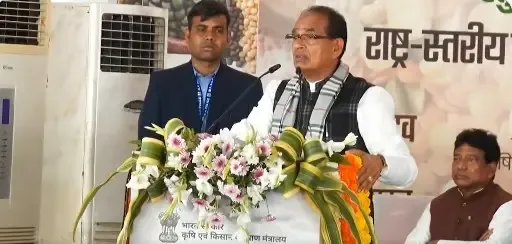
Sehore, Feb 7 (NationPress) Union Minister for Agriculture and Farmer Welfare, Shivraj Singh Chouhan, voiced his apprehensions regarding the persistent decline in pulse production across the nation and urged immediate action from all states and relevant authorities, including farmers.
Minister Chouhan remarked that the ongoing low yield of pulses by farmers over recent years has compelled the government to resort to importing pulses from other nations.
He stated, "If India has to import pulses, it is not just concerning, but a shame for all of us," while addressing a gathering of Agriculture Ministers from various states at a national seminar on pulses held in Madhya Pradesh's Sehore.
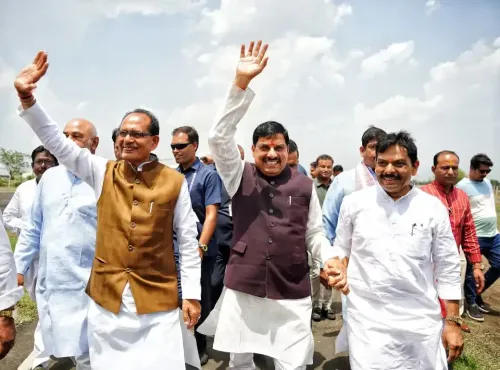
During the welcoming ceremony, which saw the presence of numerous local farmers, Madhya Pradesh Chief Minister Mohan Yadav, and other state Cabinet Ministers, Chouhan acknowledged that in recent years, farmers have shown a pronounced preference for cultivating soybeans, rice, and wheat.
"Farmers are leaning towards crops like soybeans and wheat for various reasons, including low profitability from pulses and minimal production. Today's discussions aim to explore ways to motivate our farmers," he added.
Nonetheless, Chouhan praised Madhya Pradesh, highlighting that despite an overall dip in pulse production, the state continues to rank first.
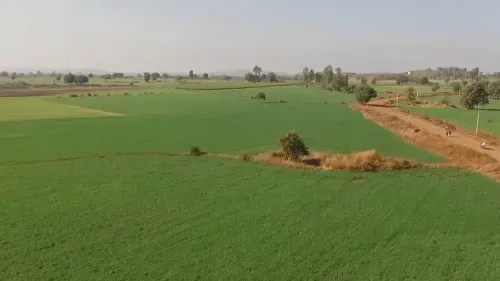
"Madhya Pradesh has secured its position in pulse production, yet the area under cultivation has significantly decreased, which is indeed a concern for all of us," he noted.
Additionally, the Union Minister announced the preparation of a national roadmap aimed at enhancing pulse production following discussions with Agriculture Ministers from all states.
"A total package of ₹1,800 crore will be allocated to the states, with Madhya Pradesh receiving ₹354 crore," he stated.
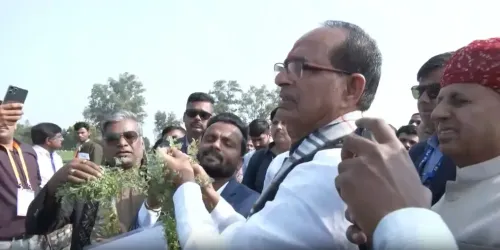
Before his official address, Chouhan engaged with farmers from various regions, attentively listening to their concerns while seated on a wooden cot in the fields. He emphasized that future agricultural policies would be shaped in consultation with farmers on-site, rather than in air-conditioned rooms.
During these interactions, farmers shared their insights on organic versus chemical farming and the hurdles they encounter. Over a dozen farmers—men and women from states such as Madhya Pradesh, Rajasthan, and Maharashtra—provided their experiences, with many seeking support from the Union government.
Chouhan also inquired about farmers' preferences for organic farming, its advantages, and the challenges they face. Furthermore, he sought to understand the preventive measures farmers employ to shield their crops from pests.
Point of View
As highlighted by Union Minister Shivraj Singh Chouhan. The shift in farmer preferences towards more lucrative crops raises questions about food security and economic sustainability in the agricultural sector. Immediate engagement from all stakeholders is crucial to revitalize pulse production and ensure farmers can thrive.
NationPress
1 Oct 2026
Frequently Asked Questions
What is the current state of pulse production in India?
Pulse production in India has been declining, leading to increased imports from other countries.
What reasons did Shivraj Singh Chouhan give for the decline in pulse cultivation?
He indicated that low income from pulses and higher profitability from crops like soybeans and wheat are driving farmers away from pulse cultivation.
What action is being proposed to address the pulse production issue?
A national roadmap for increasing pulse production will be prepared after consultations with Agriculture Ministers from all states.
How much funding is being allocated to support pulse production?
A total package of ₹1,800 crore will be allocated to the states, with Madhya Pradesh receiving ₹354 crore.
What was the setting of Shivraj Singh Chouhan's address?
He addressed a national seminar on pulses in Sehore, Madhya Pradesh, in front of various state Agriculture Ministers and local farmers.