SP-Congress seat-sharing row: SP MP says Cong deserves only 10-20 UP seats
Synopsis
Even before formal talks begin, the SP-Congress alliance for the 2027 Uttar Pradesh polls is showing cracks. An SP MP has publicly said Congress deserves just 10-20 seats — against the party's demand for 150. With UP sending 80 MPs to Parliament and both parties hungry after years in opposition, the seat-sharing battle could define the INDIA bloc's credibility in India's most pivotal state.
Key Takeaways
SP MP Shiv Pal Singh Patel said on 3 October 2026 that Congress deserves only 10 to 20 seats in the 2027 Uttar Pradesh Assembly elections .
Congress, through state in-charge Rajendra Pal Gautam , has demanded no fewer than 150 of the 403 assembly seats.
Congress holds just two MLAs in the current Uttar Pradesh Assembly.
Formal SP-Congress seat-sharing discussions are expected to begin later this month.
The BJP won only 33 Lok Sabha seats in UP in 2024 , down from 62 in 2019 , raising the alliance's electoral opportunity.
The SP has been out of power in UP since 2017 ; Congress has not governed the state since 1989 .
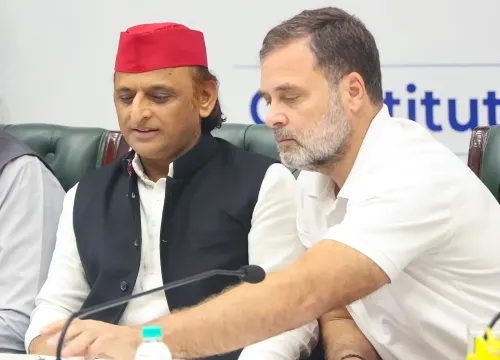
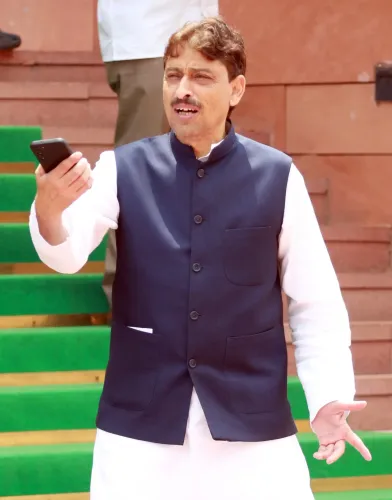
Samajwadi Party (SP) leader and MP Shiv Pal Singh Patel on Saturday, 3 October 2026, sharply pushed back against Congress' reported demand for 150 seats in the upcoming 2027 Uttar Pradesh Assembly elections, saying the party deserves no more than 10 to 20 seats based on its current electoral strength in the state. The remarks signal early friction within the INDIA bloc alliance even before formal seat-sharing talks have commenced in Lucknow.
What SP's Shiv Pal Singh Patel Said
Speaking to reporters, Patel was unambiguous in his assessment of Congress' bargaining position. 'I think if they are given 50 seats, they should look at their actual position and status before seeking anything more than 50 seats. They should look at their past record,' he said. He also cited the Madhya Pradesh example, arguing that 'the six seats we got in Madhya Pradesh were because of the Samajwadi Party.'
Patel went further, suggesting that even 50 seats would be generous. 'In reality, they deserve only 10 to 20 seats,' he said, adding that Congress holds just two MLAs in the 403-seat Uttar Pradesh Assembly. He warned that if both parties fielded candidates on the same seats, it would lead to vote-splitting and losses for the alliance.
Congress Holds Its Ground
Congress MP Imran Masood, the newly appointed Working President of the Uttar Pradesh Congress Committee (UPCC), declined to engage with Patel's remarks directly but reaffirmed his party's official position. 'Whatever our in-charge is saying, we stand by that. That is the party's official line,' Masood said.
The Congress' state in-charge, Rajendra Pal Gautam, had earlier stated that the party would not settle for fewer than 150 seats in any alliance arrangement with the SP for the 2027 polls — a demand that sits far above what SP appears willing to concede.
The Stakes: Why UP Seat-Sharing Matters
Uttar Pradesh is the most consequential battleground in Indian electoral politics. The state sends 80 members to the Lok Sabha — the highest of any state — making any alliance calculus here a direct factor in national power equations. The SP has been out of power in the state since 2017, while Congress has not formed the state government since 1989. Both parties have strong reasons to maximise their respective seat counts.
Notably, the Bharatiya Janata Party's (BJP) tally in Uttar Pradesh fell sharply to 33 Lok Sabha seats in 2024, down from 62 in 2019, with the SP emerging as the state's single-largest party in the general election. That swing has emboldened both alliance partners — but also raised the competitive stakes between them over seat allocation.
The BSP Factor and Alliance History
The seat-sharing arithmetic is further complicated by the position of the Bahujan Samaj Party (BSP), led by Mayawati, which has traditionally maintained distance from both the SP and Congress, though it briefly allied with the SP for the 2019 Lok Sabha elections. The BSP has since seen a decline in electoral representation while retaining a core Dalit support base.
In the 2022 Uttar Pradesh Assembly elections, the SP, Congress, and BSP contested separately. Congress had historically pushed for a three-way coalition, but that effort collapsed. The current SP-Congress partnership is framed within the broader INDIA bloc, of which both are constituents at the national level.
What Comes Next
Patel acknowledged that the final call rests with SP's national president. 'The main decision has to be taken by our National President, honourable Akhilesh Yadav. We are just ordinary soldiers of the party,' he said, indicating that his remarks reflect the party's internal sentiment rather than a final negotiating position. Formal seat-sharing discussions between the SP and Congress are expected to begin later this month. How far apart the two parties are — with Congress demanding 150 seats and SP willing to offer fewer than 50 — suggests negotiations could be prolonged and contentious.
Point of View
But it risks hardening Congress' stance and giving the BJP an early narrative gift — a visibly fractured opposition in India's most electorally significant state. The gap between Congress demanding 150 seats and SP offering fewer than 50 is not a minor calibration; it is a structural disagreement about each party's worth in the alliance. Congress' insistence on 150 seats reflects a national leadership that wants UP relevance, not just a handful of wins. For Akhilesh Yadav, conceding too many seats to a party with two MLAs weakens his negotiating hand with smaller caste-based formations whose support is often decisive on individual constituencies. The 2027 race will ultimately turn on whether INDIA bloc partners can suppress their own ambitions — and recent history, including the 2022 UP polls, suggests they struggle to do so.
NationPress
3 Oct 2026
Frequently Asked Questions
What did SP MP Shiv Pal Singh Patel say about Congress in UP seat-sharing talks?
Patel said Congress deserves only 10 to 20 seats in the 2027 Uttar Pradesh Assembly elections, based on the party's current electoral strength and organisational presence. He argued that even offering Congress 50 seats would be generous, given that the party has just two sitting MLAs in the state.
How many seats is Congress demanding in the UP 2027 alliance with SP?
Congress, through its Uttar Pradesh in-charge Rajendra Pal Gautam, has stated it will not contest fewer than 150 of the 403 assembly seats under any alliance with the SP. This demand is significantly higher than what SP leaders appear willing to offer.
When will SP-Congress seat-sharing talks for UP 2027 elections begin?
Formal seat-sharing discussions between the SP and Congress are expected to begin later in October 2026. No final formula has been agreed upon, and the wide gap in each party's expectations means negotiations could be prolonged.
Why are the 2027 Uttar Pradesh elections important for national politics?
Uttar Pradesh sends 80 members to the Lok Sabha — more than any other state — making it the single most important arena in Indian national elections. A strong performance by the SP-Congress alliance in 2027 would signal Opposition momentum ahead of the next general election.
What is the current political standing of Congress in Uttar Pradesh?
Congress currently holds just two MLAs in the 403-seat Uttar Pradesh Assembly and has not formed the state government since 1989. Its limited organisational presence is the central argument SP leaders are using to cap its seat share in any alliance arrangement.