Amit Shah sets 50 crore litre milk target for Madhya Pradesh in 3 years
Synopsis
At a 35,000-strong cattle rearers' summit in Bhopal, Amit Shah pledged to triple Madhya Pradesh's dairy ambitions — setting a 50 crore litre milk production target in three years, launching over ₹290 crore in dairy infrastructure, and promising a first-of-its-kind cow-dung income scheme for farmers. It is the most concrete state-level push yet under the Centre's White Revolution 2.0 agenda.
Key Takeaways
Amit Shah set a 50 crore litre milk production target for Madhya Pradesh over the next three years at the Gopalak Sammelan in Bhopal .
A ₹255 crore milk processing plant with 3 lakh litres per day capacity was launched in Ujjain ; a ₹16.5 crore Product Dairy Plant and a ₹12.42 crore central dairy laboratory were inaugurated in Bhopal . ₹101 crore was disbursed to gaushalas and ₹15.10 crore in dividends distributed to dairy cooperative members.
Shah announced an upcoming scheme allowing farmers to earn income from cow dung , aimed at rural communities.
The Centre is promoting White Revolution 2.0 through dairy cooperatives to boost milk procurement and rural incomes.
Around 35,000 cattle rearers and cooperative members attended the state-level conference.
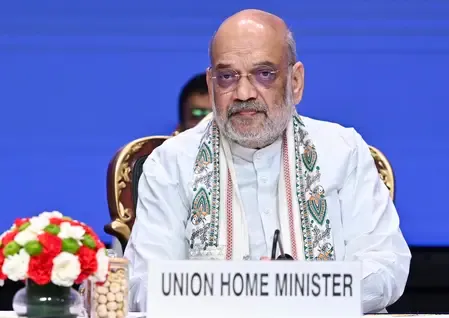
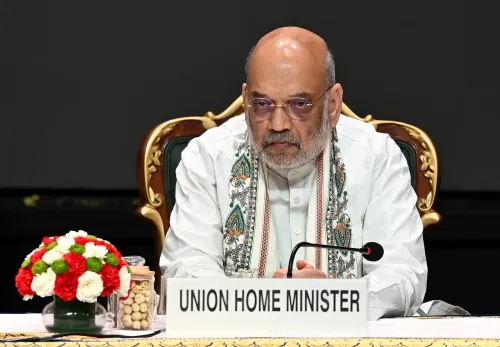
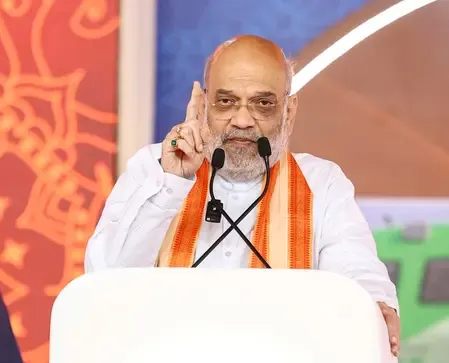
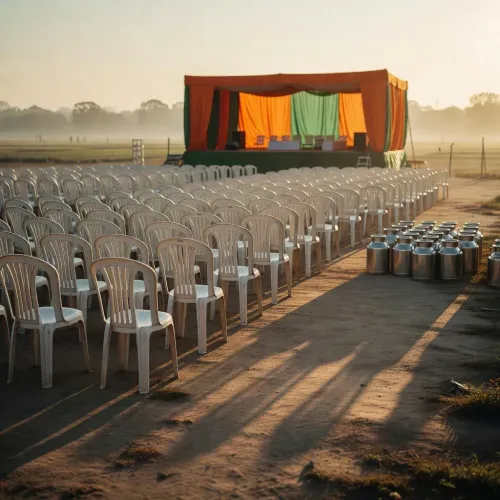
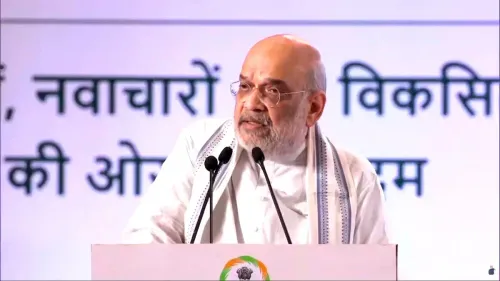
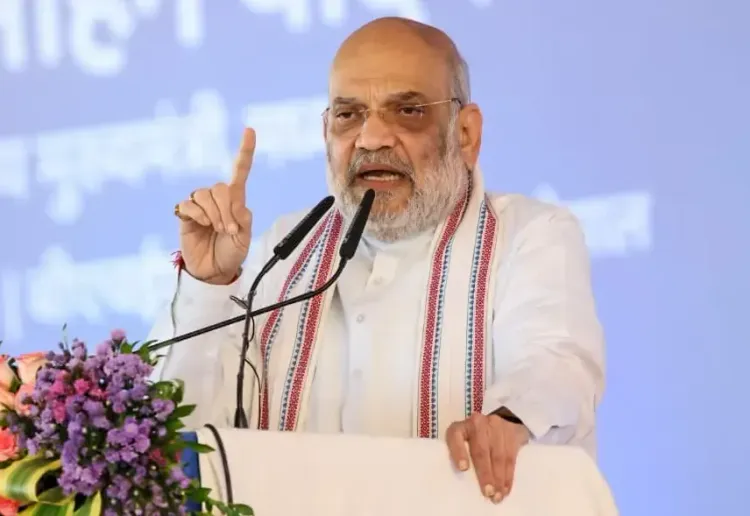
Union Home and Cooperation Minister Amit Shah on Saturday, 3 October set an ambitious target of raising Madhya Pradesh's milk production to 50 crore litres within the next three years, calling for modern dairy infrastructure and scientific improvement of cattle breeds to power the state's livestock economy. The announcement came at a state-level Gopalak Sammelan held at BHEL Dussehra Maidan in Bhopal, attended by approximately 35,000 cattle rearers and dairy cooperative members drawn from across the state.
Key Announcements at the Sammelan
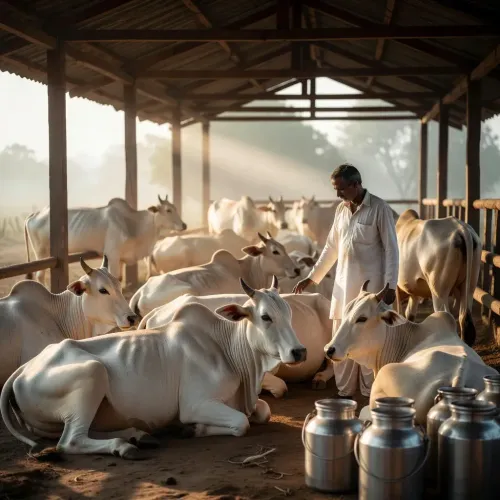
Shah described the gathering as 'an auspicious sign of a White Revolution in Madhya Pradesh,' framing the 50 crore litre target as a cornerstone of rural economic uplift. He called for dedicated work on a 50-acre tract of land for breed improvement and the creation of modern livestock facilities. The minister also announced that a scheme enabling farmers to earn income from cow dung would be introduced in Madhya Pradesh in the near future — a step he said would directly benefit rural communities.
Infrastructure Projects Launched
The Bhopal event served as the launchpad for a series of dairy infrastructure investments across the state. Shah virtually laid the foundation stone for a ₹255 crore milk processing plant in Ujjain, with a daily processing capacity of 3 lakh litres. A 40,000-litre-per-day Product Dairy Plant in Bhopal, built at a cost of ₹16.5 crore, was formally inaugurated alongside a state-level central dairy laboratory valued at ₹12.42 crore. Strengthening work on a mini dairy plant in Shivpuri, costing ₹6.5 crore, was also launched at the event.
Financial Support for Cooperatives and Gaushalas
During the programme, ₹101 crore was disbursed as financial assistance to gaushalas, while ₹15.10 crore in dividends was distributed among members of dairy cooperative societies. Bonus payments were additionally made to members of the Bhopal and Indore milk unions. Shah emphasised that strengthening cooperative infrastructure was essential for expanding organised dairy output and improving returns for milk producers, particularly women in rural areas.
White Revolution 2.0 and National Context
Shah assured the Madhya Pradesh government that the Centre has been actively promoting what it terms 'White Revolution 2.0' through dairy cooperatives, with the stated objectives of increasing milk procurement, widening cooperative coverage, and reinforcing the rural economy. He noted that Uttar Pradesh, Rajasthan, Madhya Pradesh, and Gujarat are currently leading the country in milk production, attributing the performance to coordinated policy support from both the Centre and state governments. This comes amid a broader national push to expand India's dairy sector, which already ranks among the world's largest by volume. Notably, the Gopalak Sammelan format — convening cattle rearers at scale — mirrors similar cooperative mobilisation drives seen in Gujarat under the Amul model, which Shah has repeatedly cited as a template for replication.
The minister also underscored the nutritional dimension of the dairy push, stating that expanded milk production would contribute meaningfully to the fight against malnutrition in the state. All eyes are now on the timeline for the promised cow-dung income scheme and the pace of commissioning of the newly launched infrastructure projects.
Point of View
Yet the promised cow-dung income scheme arrives without a rollout date or funding framework, which invites scepticism. The White Revolution 2.0 framing borrows heavily from Gujarat's Amul success, but replicating that model requires decades of cooperative trust-building that most non-Gujarat states have not matched. Whether the ₹290-crore infrastructure push translates into sustained income gains for the state's cattle rearers — rather than a one-cycle boost ahead of elections — will be the real measure of this initiative.
NationPress
3 Oct 2026
Frequently Asked Questions
What is the milk production target Amit Shah set for Madhya Pradesh?
Amit Shah set a target of achieving 50 crore litres of milk production in Madhya Pradesh within the next three years. The announcement was made at the state-level Gopalak Sammelan in Bhopal on 3 October, where he called for modern infrastructure and scientific cattle breed improvement to reach the goal.
What dairy infrastructure projects were launched at the Bhopal event?
Shah virtually laid the foundation stone for a ₹255 crore milk processing plant in Ujjain with a 3 lakh litre per day capacity. A ₹16.5 crore Product Dairy Plant and a ₹12.42 crore central dairy laboratory were inaugurated in Bhopal, and strengthening work on a ₹6.5 crore mini dairy plant in Shivpuri was also launched.
What is the cow dung income scheme announced by Amit Shah?
Shah announced that a scheme enabling farmers to earn income from cow dung will soon be introduced in Madhya Pradesh, though a specific rollout date or funding amount was not disclosed at the event. The scheme is intended to provide an additional revenue stream for rural communities and cattle rearers.
What is White Revolution 2.0?
White Revolution 2.0 is the Centre's initiative to expand India's dairy sector through dairy cooperatives, with objectives including increased milk procurement, wider cooperative coverage, and stronger rural economies. Shah confirmed at the Bhopal event that the Centre is actively promoting this programme across states.
Who attended the Gopalak Sammelan in Bhopal?
Approximately 35,000 cattle rearers and members of dairy cooperative societies from several districts of Madhya Pradesh attended the state-level Gopalak Sammelan held at BHEL Dussehra Maidan in Bhopal on 3 October.