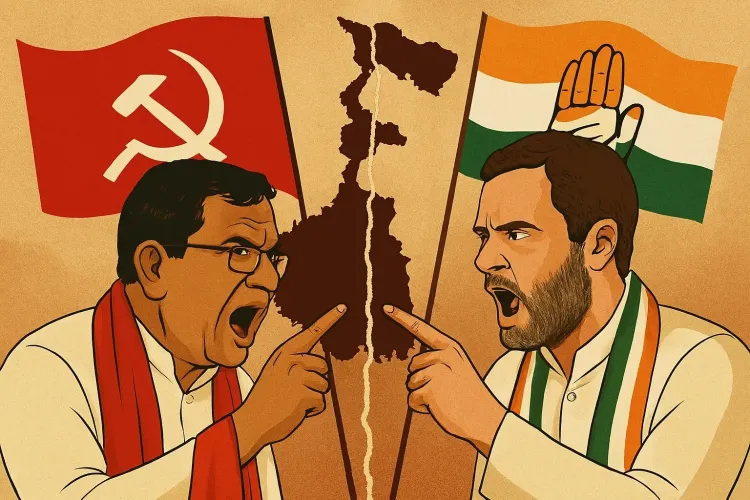
Is a Rift Between the Congress and Left Inevitable Ahead of the Bengal Elections?
Synopsis
As West Bengal Assembly elections near, Congress faces uncertainty regarding a potential alliance with the Left Front, raising questions about strategic partnerships in the face of political challenges. Can they unite effectively against the Trinamool Congress and BJP?
Key Takeaways
Congress and the Left Front are in discussions about a potential alliance ahead of the West Bengal Assembly elections.
Criticism has emerged from Left leaders, particularly Mohammad Salim , regarding Congress's hesitance.
Previous alliances have failed to yield significant benefits for either party.
The Left's historical struggles at the national level highlight its declining influence.
The current political landscape poses a challenging dilemma for the Left in Kerala.
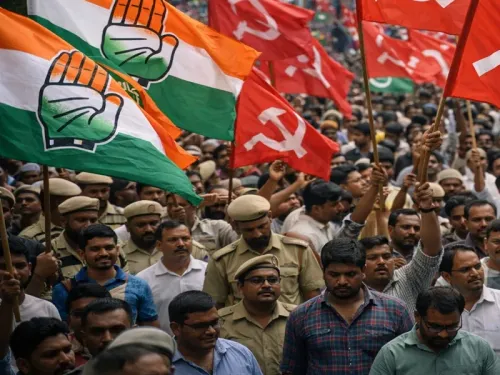
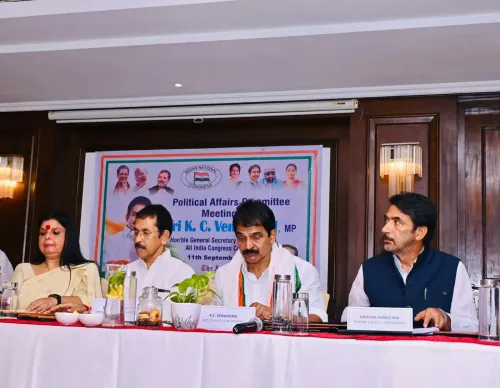
New Delhi, Jan 26 (NationPress) With the announcement of the West Bengal Assembly elections looming, Congress is grappling with uncertainty regarding a potential electoral partnership with the Left Front. This alliance is seen as crucial for establishing a viable alternative to the ruling Trinamool Congress and the opposing BJP.
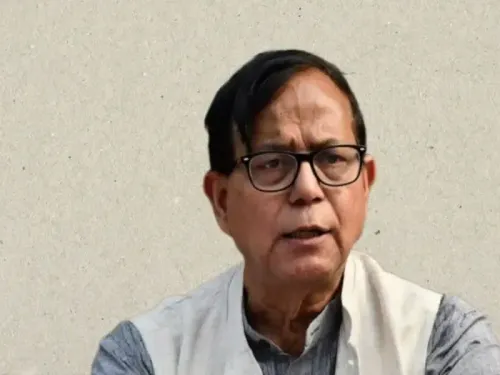
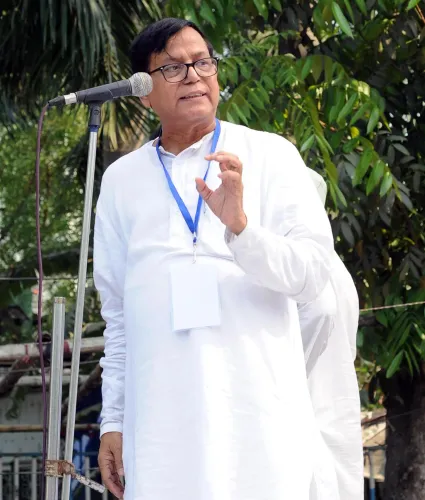
This situation has sparked intense criticism from some leaders of the Left, particularly Mohammad Salim, the state unit secretary of the Communist Party of India (Marxist). He has vocally called for a coalition, underscoring the necessity for a robust, grassroots-oriented Left-Congress partnership while indirectly pressuring Congress to act decisively.
Salim has been persistently urging Congress to expedite their decision-making regarding the alliance discussions. In response, state Congress officials have pushed back against Salim’s criticisms, asserting their independence. A regional Congress leader remarked on social media, “Cease unnecessary interference. Congress will make its own choices at the appropriate time. We are accountable to the electorate, not to other parties.”
As a result of these exchanges, the likelihood of a collaborative effort seems increasingly tenuous. Previous regional alliances have not yielded significant benefits for either party, both of which currently find themselves without representation in the Assembly, with Congress holding just one Lok Sabha seat.
Historically, at the national level, the CPI(M) has struggled once it distanced itself from the Congress. During the 2004 Lok Sabha elections, the Congress emerged as the largest party with 145 seats, but lacked a simple majority. Various political factions, including the Left, chose to support a coalition government to prevent the BJP from gaining control.
The communists, holding 60 seats, became key players in this coalition. However, the signing of the Indo-US Civil Nuclear Agreement in 2008 marked a pivotal moment, as the Left perceived it as a departure from its longstanding anti-imperialist principles and its skepticism towards American influence.
In July 2008, the Left withdrew its support from the Congress-led United Progressive Alliance (UPA)-I government, which triggered a confidence vote in Parliament. This critical decision diminished the Left’s influence in the national political arena.
From its peak of 60 Lok Sabha seats in 2004, the Left's representation dwindled to around two dozen in the 2009 elections. This decline highlighted the Left’s diminished capacity to influence national policies. Their opposition was framed by opponents as obstructive, further contributing to their declining significance in Indian politics, particularly as the Congress managed to survive the trust vote with new allies.
A significant internal conflict emerged within the CPI(M), revealing a divide between leaders from West Bengal and Kerala. The West Bengal faction sought to maintain favorable relations with Congress in light of Mamata Banerjee's rise, while those from Kerala resisted, as regional dynamics strongly opposed a Congress-led coalition. This dilemma persists today. In the current political landscape, following losses in West Bengal and Tripura, the Left now finds itself precariously positioned in Kerala ahead of the upcoming Assembly elections, presenting a challenging choice for them.
Point of View
The ongoing tensions between Congress and the Left Front spotlight the complexities of political alliances in India. As both parties navigate their strategies in West Bengal, the outcome could redefine their roles in the broader political landscape. The stakes are high, and the need for unity against formidable opponents cannot be overlooked.
NationPress
25 Sept 2026
Frequently Asked Questions
What is the current political situation in West Bengal?
West Bengal is witnessing rising tensions between Congress and the Left Front as they discuss potential alliances ahead of the Assembly elections.
Who is Mohammad Salim?
Mohammad Salim is the state unit secretary of the Communist Party of India (Marxist) and a prominent leader advocating for an alliance with Congress.
Why is a Congress-Left alliance important?
An alliance could provide a significant alternative to the ruling Trinamool Congress and the opposition BJP, potentially reshaping the electoral landscape.
What challenges do Congress and the Left face?
Both parties struggle with their declining influence and representation in the Assembly, complicating their efforts to form a united front.
How have historical events affected the Left's role in national politics?
The Left's withdrawal of support from the Congress-led government in 2008 marked a turning point, leading to a decline in its national political influence.