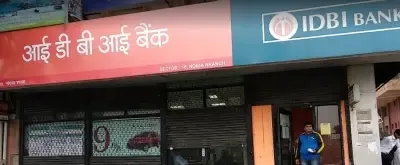
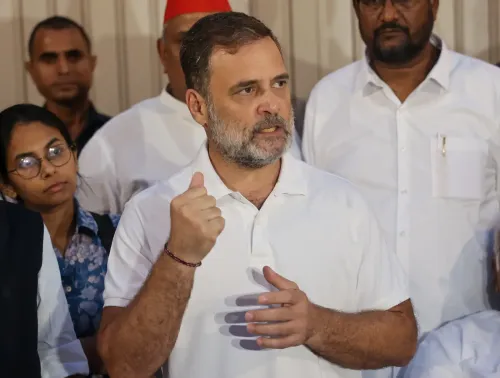
Congress demands JPC probe into IDBI Bank sale to Fairfax Financial
Synopsis
Congress has escalated its attack on the IDBI Bank disinvestment, alleging the bank is being bought with its own money, that share valuation was revised downward after only two bidders emerged, and that a 2003 parliamentary assurance of majority government ownership has been violated. The demand for a JPC probe raises the political stakes of what was already one of India's most controversial privatisation bids.
Key Takeaways
Senior Congress leader Shaktisinh Gohil demanded a JPC probe and immediate halt to the proposed sale of IDBI Bank to Canada's Fairfax Financial Holdings on 2 November 2026 .
Gohil alleged that Fairfax plans to use the bank's own resources to fund part of the acquisition — effectively buying it with its own money.
IDBI Bank's share valuation was reportedly revised downward from ₹94.42 to ₹75 after bids from only two buyers were opened; the government now cites ₹81 per share as a good deal.
The bank posted a cumulative profit of ₹30,105 crore between 2021 and 2026 , with real estate assets including 50 acres in Hyderabad's Cyber City .
Congress warned that privatisation would end reservation benefits for SC, ST, OBC, disabled, and women employees.
Gohil invoked a 2003 assurance by then Finance Minister Jaswant Singh that the government would never reduce its IDBI stake below 51 per cent .
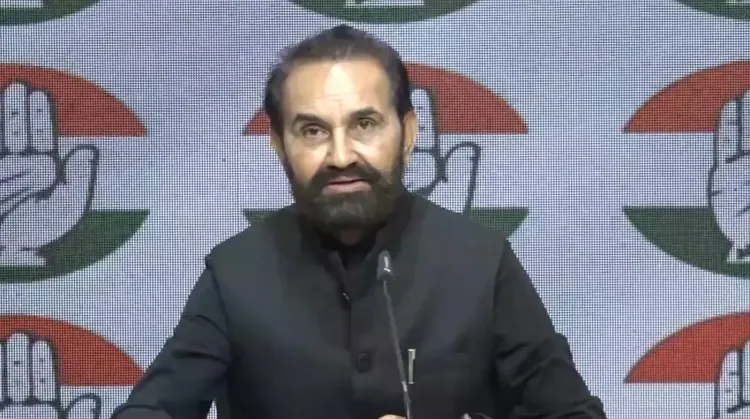
Senior Congress leader and former Rajya Sabha MP Shaktisinh Gohil on Monday, 2 November 2026, demanded an immediate halt to the proposed sale of IDBI Bank to Canada's Fairfax Financial Holdings, alleging large-scale irregularities and a lack of transparency in the disinvestment process. Addressing a press conference in New Delhi, Gohil also called for a Joint Parliamentary Committee (JPC) probe into the entire transaction.
The 'Bank Buying Itself' Allegation
Gohil claimed that Fairfax Financial was effectively purchasing IDBI Bank with the bank's own money. He cited what he described as an analyst's conversation with Fairfax Chairman Prem Watsa and President Peter Clarke, in which they allegedly indicated that the acquisition payment would be made in instalments — with the company contributing some funds initially and drawing on the bank's own resources for the remainder. The government has not responded to these specific claims.
Valuation Revision Under Scrutiny
The Congress leader pointed to what he called a suspicious downward revision in IDBI Bank's share valuation. Shares were initially valued at ₹94.42, he said, but the figure was later revised to ₹75 after bids from only two prospective buyers were opened. The government, he alleged, is now presenting a price of ₹81 per share as a favourable outcome. Gohil demanded that both the original and revised valuation reports be made public, along with full details of the second bidder.
Parliament Assurance, Profitability, and Real Estate Concerns
Gohil invoked a 2003 assurance given by then Finance Minister Jaswant Singh to Parliament that the government's shareholding in IDBI Bank would never fall below 51 per cent. He said that commitment had been reduced to, in his words, a 'jumla'. He also stressed that the bank had posted a cumulative profit of ₹30,105 crore between 2021 and 2026, arguing that a profitable public sector institution should not be privatised. Additionally, he raised concerns about the bank's real estate portfolio, which reportedly includes 29 valuable properties — among them 50 acres of land in Hyderabad's Cyber City.
Social Equity and Reservation Benefits at Stake
Gohil warned that the loss of public sector status would strip reservation benefits from employees belonging to Scheduled Castes, Scheduled Tribes, Other Backward Classes, persons with disabilities, and women. He argued that the human cost of privatisation extended well beyond financial considerations.
Congress Calls Out RSS and Swadeshi Jagran Manch
In a pointed political challenge, Gohil questioned the silence of the Rashtriya Swayamsevak Sangh (RSS) and the Swadeshi Jagran Manch — outfits historically opposed to foreign ownership of Indian public assets — on this transaction. His three core demands are: an immediate halt to the IDBI Bank sale, a JPC investigation into the disinvestment process, and full public disclosure of the valuation reports and the funding structure of the acquiring company. This comes amid a broader debate over the pace and transparency of India's public sector disinvestment programme.
Point of View
Not merely an opposition talking point. Yet the party has not produced the original analyst note or transcript it references, which weakens the evidentiary weight of the claim. The valuation revision from ₹94.42 to ₹75 deserves an independent explanation from the government; silence on that point only fuels suspicion. More broadly, India's disinvestment programme has long suffered from opacity in price discovery, and the IDBI transaction — given the bank's size, profitability, and strategic assets — was always going to face heightened scrutiny. The government's absence from the public argument at this stage is an accountability gap that neither the opposition nor the public should accept.
NationPress
3 Nov 2026
Frequently Asked Questions
Why is Congress opposing the sale of IDBI Bank to Fairfax Financial?
Congress alleges that the transaction lacks transparency, that the bank's share valuation was revised downward after only two bids emerged, and that Fairfax plans to use IDBI Bank's own funds to partially finance the purchase. The party also argues the sale violates a 2003 parliamentary assurance that the government's stake would never fall below 51 per cent.
What is the alleged 'buying with its own money' claim?
Congress leader Shaktisinh Gohil claims that in a conversation cited by an analyst, Fairfax Chairman Prem Watsa and President Peter Clarke indicated the acquisition would be paid in instalments, with some initial company funds followed by the bank's own resources for the remainder. This would mean IDBI Bank's own balance sheet is being used to fund its sale — a claim the government has not publicly addressed.
How was IDBI Bank's share valuation changed during the disinvestment process?
According to Gohil, shares were initially valued at ₹94.42 but were revised down to ₹75 after bids from only two prospective buyers were opened. The government is reportedly presenting the final agreed price of ₹81 per share as a satisfactory outcome, a framing Congress disputes.
What happens to employee reservation benefits if IDBI Bank is privatised?
Congress warns that once IDBI Bank loses its public sector status, statutory reservation quotas for Scheduled Castes, Scheduled Tribes, Other Backward Classes, persons with disabilities, and women employees will no longer apply. Private banks are not bound by the same reservation norms as government-owned institutions.
What is a Joint Parliamentary Committee (JPC) probe?
A JPC is a special committee of members from both Houses of Parliament constituted to investigate a specific issue. It has powers to summon documents and witnesses, and its findings are tabled in Parliament. Congress is demanding one be set up to examine the entire IDBI Bank disinvestment process, including valuation reports and the bidder's funding structure.