Congress to scrap MP's UCC if it wins 2028 polls, says LoP Umang Singhar
Synopsis
Madhya Pradesh LoP Umang Singhar has put the Uniform Civil Code at the heart of the 2028 state election battle, pledging to scrap it if Congress wins. With the BJP having passed the UCC Bill through the MP Assembly in July 2026 despite a walkout, the code — covering polygamy, marriage registration, and cohabitation — is now a full-blown electoral fault line.
Key Takeaways
Umang Singhar , MP Leader of the Opposition, declared on 30 August that Congress would repeal the Uniform Civil Code in Madhya Pradesh if it wins the 2028 elections.
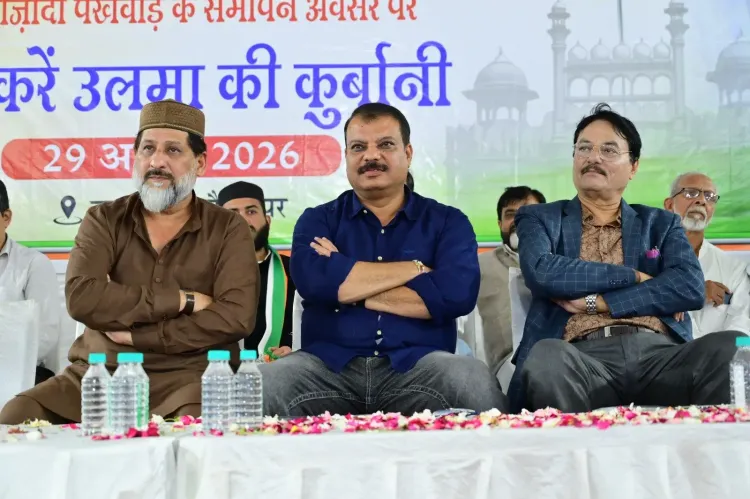
Singhar called the UCC a 'draconian law' at the 'Jang-e-Azadi-Ulema ki Qurbani' event organised by MLA Arif Masood in Bhopal .
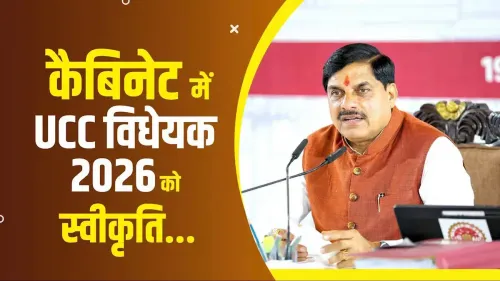
The Madhya Pradesh UCC Bill 2026 was cleared in a special Cabinet meeting on 20 July and passed by the Assembly on 21 July .
Key UCC provisions include a ban on polygamy , compulsory marriage registration, and mandatory registration of cohabiting relationships; Scheduled Tribes are exempt.
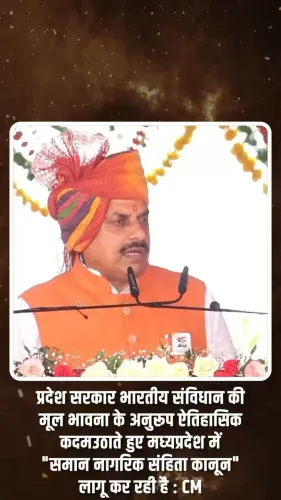
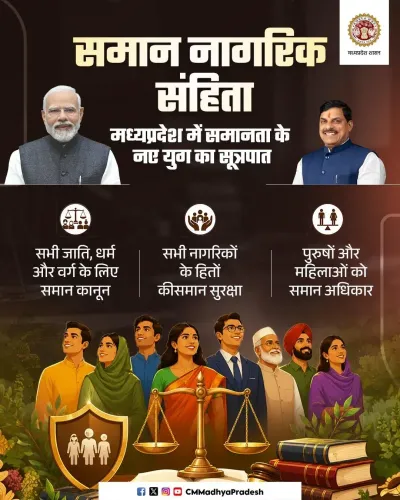
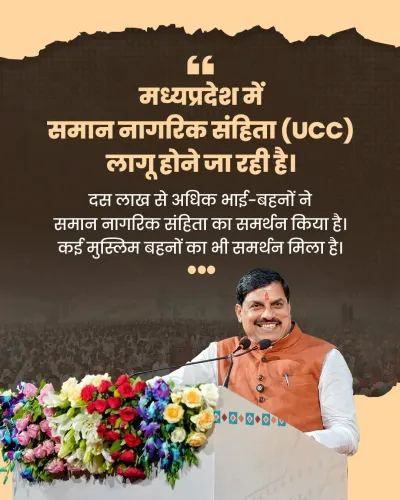
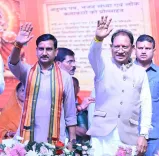
Chief Minister Mohan Yadav has backed the UCC, linking it to equal rights and legal protection for women.
Congress had demanded the Bill be referred to a Select Committee , triggering an uproar in the House before it was passed.
Umang Singhar, Leader of the Opposition in the Madhya Pradesh Legislative Assembly, on Sunday, 30 August declared that a Congress government, if voted to power in 2028, would repeal the Uniform Civil Code (UCC) in the state, calling the legislation a 'draconian law'. The announcement came at a politically charged event in Bhopal and has sharply escalated the UCC debate in Madhya Pradesh.
What Singhar Said
Speaking at the 'Jang-e-Azadi-Ulema ki Qurbani' programme organised by Madhya Pradesh MLA Arif Masood in Bhopal, Singhar said the UCC legislation would be abolished the moment Congress returns to power. His remarks signal that the UCC will be a central plank of the Congress campaign ahead of the 2028 Madhya Pradesh Assembly elections.
How the UCC Became Law in MP
The political flashpoint was the Madhya Pradesh government's clearance of the Uniform Civil Code Bill 2026 in a special Cabinet meeting on 20 July, followed by its passage in the Assembly on 21 July. Congress MLAs demanded the Bill be referred to a Select Committee, triggering an uproar in the House. The legislation was pushed through despite the opposition's objections.
Key provisions of the UCC include a ban on polygamy, compulsory registration of marriages, and mandatory registration of cohabiting relationships. Notably, Scheduled Tribes have been kept outside the law's ambit — a carve-out that itself drew scrutiny over the code's claim to universality.
What the UCC Seeks to Do
The Uniform Civil Code aims to replace religion-based personal laws with a single legal framework governing marriage, divorce, inheritance, maintenance, adoption, and related family matters. Article 44 of the Constitution directs the state to secure such a code for all citizens, though it remains part of the non-enforceable Directive Principles of State Policy.
Chief Minister Mohan Yadav has backed the UCC, framing it as a guarantor of equal rights and social harmony, particularly for women in matters of marriage, divorce, and property.
Congress and Opposition Concerns
The Congress and other opposition parties argue that a uniform personal law could adversely affect the religious and traditional practices of diverse communities. Critics have also raised concerns about its potential impact on tribal customs and the constitutional safeguards extended to tribal societies — a significant consideration given Madhya Pradesh's large Scheduled Tribe population.
What Comes Next
Singhar's pledge effectively turns the UCC into an election-defining issue for 2028. With the Bharatiya Janata Party (BJP) holding power in the state and having driven the Bill through the Assembly, the contest over the UCC is likely to intensify as both parties seek to consolidate their respective voter bases. How the law is implemented — and challenged in courts — in the intervening years will shape the political stakes considerably.
Point of View
Not a press conference. The BJP passed the UCC in Madhya Pradesh knowing it would galvanise opposition, and Congress is now accepting that framing rather than contesting it on legal or constitutional grounds. The tribal exemption embedded in the very law the BJP calls 'universal' is the contradiction neither side wants to fully debate. With 2028 still three years away, the UCC risks becoming a polarising campaign prop rather than a seriously scrutinised piece of social legislation — and both parties appear comfortable with that outcome.
NationPress
15 Oct 2026
Frequently Asked Questions
What did MP LoP Umang Singhar say about the UCC?
Umang Singhar declared on 30 August that a Congress government, if elected in 2028, would repeal the Uniform Civil Code in Madhya Pradesh, calling it a 'draconian law'. He made the statement at a public event in Bhopal organised by MLA Arif Masood.
What is the Madhya Pradesh Uniform Civil Code Bill 2026?
It is a state legislation passed by the Madhya Pradesh Assembly on 21 July 2026, replacing religion-based personal laws with a common framework covering marriage, divorce, inheritance, maintenance, and adoption. Key provisions include a ban on polygamy and compulsory registration of marriages; Scheduled Tribes are exempt from its scope.
Why did Congress oppose the UCC Bill in the MP Assembly?
Congress MLAs demanded the Bill be referred to a Select Committee for wider scrutiny, arguing that a uniform personal law could adversely affect the religious and traditional practices of diverse communities. They also raised concerns about its potential impact on tribal customs and constitutional safeguards for tribal societies.
What is the government's position on the UCC?
Chief Minister Mohan Yadav and the BJP-led state government support the UCC, arguing it will ensure equal rights for all citizens and provide stronger legal protection to women in matters of marriage, divorce, and property.
What role does the Constitution play in the UCC debate?
Article 44 of the Constitution directs the state to secure a Uniform Civil Code for all citizens, but it falls under the Directive Principles of State Policy, which are non-enforceable guidelines rather than justiciable rights. This constitutional ambiguity has long fuelled political disagreement over whether and how to implement the code.