Will Congress Initiate Early Seat Sharing Talks as TN Poll Alliances Gain Traction?
Synopsis
As the Tamil Nadu Assembly elections approach, the political landscape is heating up. Key players are urged to engage in early seat-sharing talks, as parties ramp up their preparations. This strategic move may determine the success of coalitions in the upcoming high-stakes electoral battle. What can we expect in the weeks ahead?
Key Takeaways
Early negotiations are crucial for effective campaign strategies.
Unity within coalitions can enhance voter confidence.
Clear seat allocation is vital to prevent vote splits.
Intensified political activity is expected as elections approach.
Congress aims for a strong presence in the coalition's electoral strategy.
Chennai, Feb 10 (NationPress) As the Tamil Nadu Assembly elections loom in April, the political atmosphere in the state is becoming increasingly dynamic, with parties ramping up their efforts in alliance formation and seat-sharing discussions.
The emphasis has transitioned from initial talks to definitive plans, as key participants begin establishing strategies for what promises to be a fiercely contested electoral showdown.
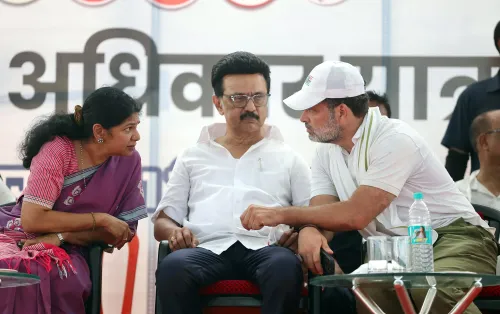
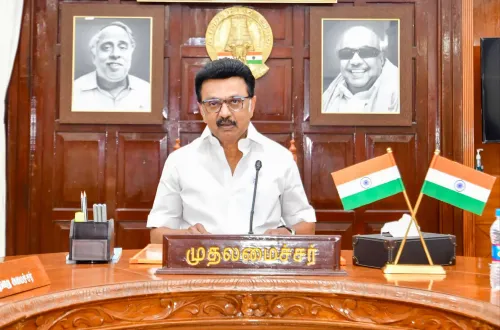
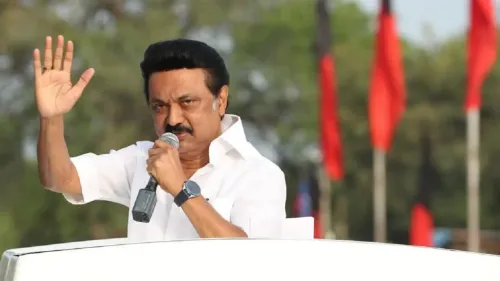
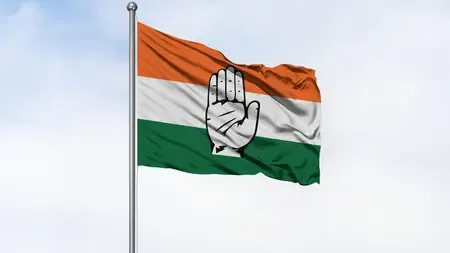
Within the coalition led by the Dravida Munnetra Kazhagam (DMK), the Congress has adopted a proactive and systematic stance towards the upcoming elections.
A special committee was formed approximately two and a half months ago, specifically tasked with overseeing seat-sharing talks and liaising effectively with coalition partners.
This initiative illustrates Congress' commitment to preventing last-minute uncertainty and ensuring a robust representation in the coalition's electoral strategy.
Senior leaders from Congress have urged the DMK to initiate formal seat-sharing discussions promptly.
Insiders suggest that having early clarity on Assembly constituencies will enable party workers to prepare more effectively on the ground, mobilize supporters efficiently, and enhance campaign outreach.
According to them, any delays could hinder booth-level preparations and diminish momentum, especially as rival coalitions intensify their efforts.
The Congress has also recommended that leaders of the Secular Progressive Alliance -- the DMK-led coalition -- should convene collectively to publicly display unity.
Party officials believe that such a demonstration of solidarity would convey a powerful message to voters and invigorate grassroots activists.
They reference a recent meeting of leaders from the National Democratic Alliance (NDA) in Madurai, showcasing how visible coordination can boost confidence among supporters and influence the political narrative.
Political analysts indicate that early coordination among alliances could significantly impact Tamil Nadu, where coalition dynamics often dictate electoral victories.
Effective seat distribution, joint campaigning, and cohesive messaging are viewed as critical to avoiding vote splits and consolidating backing across various regions.
As April draws near, the forthcoming weeks are anticipated to feature intensified negotiations, strategic meetings, and public rallies.
With both the ruling coalition and the opposition mobilizing vigorously, Tamil Nadu's political scene is entering a pivotal phase.
For the Congress, initiating seat-sharing discussions early is not merely a strategic maneuver; it serves as a clear indication of their readiness to play a crucial role in the power struggle.
Point of View
The current political maneuvers in Tamil Nadu highlight the importance of strategic planning in coalition politics. As alliances form and evolve, the focus remains on effective communication and unity to resonate with voters. The Congress' proactive approach to seat-sharing discussions signifies a readiness to influence the electoral narrative, aligning with national trends in coalition governance.
NationPress
17 Oct 2026
Frequently Asked Questions
Why is early seat-sharing important for Congress?
Early seat-sharing is crucial as it allows for better preparation, mobilization of workers, and effective campaign strategies, reducing the chances of last-minute confusion.
What role does DMK play in the alliance?
The DMK leads the Secular Progressive Alliance, making it a key player in negotiations and overall strategy during the Tamil Nadu Assembly elections.
How can coalition dynamics affect election outcomes?
Coalition dynamics often dictate electoral success in Tamil Nadu, as effective seat distribution and unified messaging can prevent vote splits and consolidate support.
What strategies are political parties using in Tamil Nadu?
Political parties are accelerating alliance-building and seat-sharing discussions, focusing on clear constituency allocations and joint campaigning efforts.