What is the Conviction Rate for Penal Crimes in Courts for 2023?
Synopsis
A recent report reveals that India's conviction rate for penal crimes in 2023 is at 54%, with significant technological advancements aimed at improving judicial processes. Discover how the government is leveraging technology to enhance the efficiency of the justice system and ensure timely trials.
Key Takeaways
Conviction Rate: 54% for penal crimes in 2023.
Charge Sheeting Rate: 72% reported. eSakshya Platform: A digital tool for evidence management. e-Courts Project: Aiming for a paperless judicial system.
Fast Track Special Courts: 745 operational across 30 States/UTs.
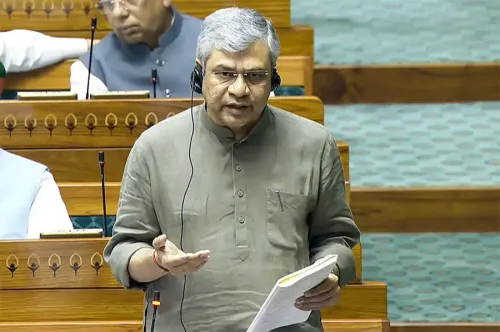
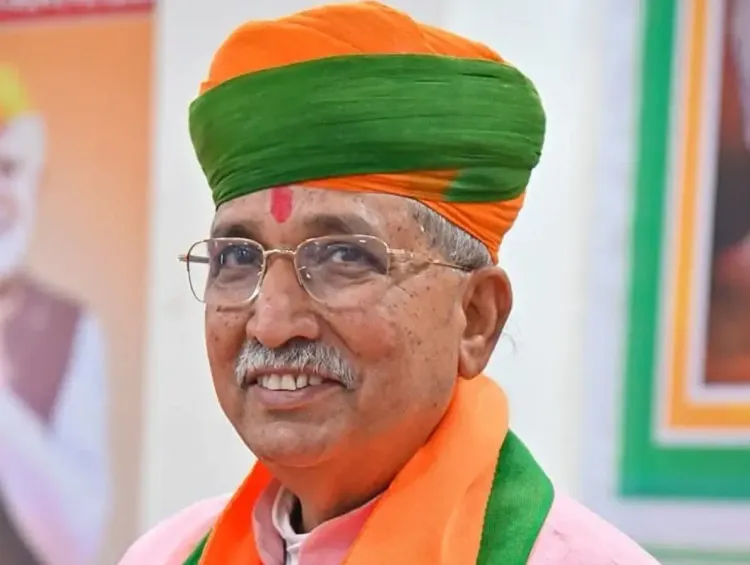
New Delhi, Dec 20 (NationPress) A recent report from the National Crime Records Bureau (NCRB) indicates that the overall conviction rate for crimes under the Indian Penal Code in 2023 is 54 percent, alongside a charge sheeting rate of 72 percent. This was disclosed by the Minister of State for Law and Justice, Arjun Ram Meghwal.
In response to an inquiry in the Rajya Sabha on Friday, the Minister noted that the conviction rate is significantly influenced by the quality of investigation and evidence, which includes both oral testimony and the promptness of trials. He highlighted that the Government of India has implemented various measures to enhance these aspects.
He pointed out that several provisions have been introduced under the New Criminal Laws, alongside numerous technological advancements under the Interoperable Criminal Justice System and the eCourts Project.
Meghwal elaborated on the eSakshya platform, which has been designed in accordance with the Bharatiya Sakshya Adhiniyam, 2023, to incorporate advanced technology for the effective collection, management, and sharing of digital evidence.
The eSakshya Mobile App captures vital evidence directly at crime scenes, records statements, documents locations, and uploads findings in real-time, ensuring meticulous detail is preserved.
It quickly and securely stores investigative data in an encrypted locker, ensuring the integrity and confidentiality of the data, which is intended for direct access by the courts.
Moreover, the Government is advancing the e-Courts Project Phase-III with an investment of Rs 7,210 crore over four years, aiming to transition courts into digital and paperless environments by digitizing both legacy and ongoing case records. This initiative will also broaden video conferencing capabilities across all courts, jails, and selected hospitals, as well as extend online court functionalities beyond mere traffic offenses.
The project aspires to create a cutting-edge cloud-based data repository for storing digitized court records and applications while deploying emerging technologies like Artificial Intelligence (AI) and Optical Character Recognition (OCR).
The Digital Courts 2.1 platform grants judges access to all case-related documents, pleadings, and evidence in a digital format, representing a monumental advancement towards a paperless court system.
Focusing on the provision of Fast Track Special Courts (FTSCs), Meghwal stated, “A Centrally Sponsored Scheme for establishing FTSCs, including dedicated POCSO (ePOCSO) Courts, was initiated in October 2019. These courts are focused on the timely trial and resolution of pending cases related to rape and offenses under the Protection of Children from Sexual Offences (POCSO) Act, 2012.”
He mentioned that this scheme, aimed at creating 790 courts, has seen two extensions, the most recent being until March 31, 2026. According to data from the High Courts, as of March 31, 2025, 745 FTSCs, including 404 exclusive POCSO (e-POCSO) Courts, were operational across 30 States/UTs, with a total disposal of 3,19,685 cases since the scheme's inception.
Point of View
The latest insights from the NCRB highlight both progress and the challenges that lie ahead. As the nation strives for a more efficient legal framework, it is imperative that these technological interventions are not only implemented but also continuously evaluated for their effectiveness in delivering justice. The commitment to enhancing the conviction rates through modernization is commendable, yet ongoing efforts must ensure that they address the systemic issues that persist.
NationPress
20 Sept 2026
Frequently Asked Questions
What was the conviction rate for penal crimes in 2023?
The conviction rate for penal crimes in India in 2023 stood at 54 percent.
What is the charge sheeting rate reported?
The charge sheeting rate for penal crimes in 2023 was reported at 72 percent.
Who announced the conviction rates in the Rajya Sabha?
The Minister of State for Law and Justice, Arjun Ram Meghwal, announced the conviction rates.
What technological advancements are being made in the judicial system?
The eSakshya platform and the e-Courts Project are key technological advancements aimed at improving the efficiency of the judicial system.
How many Fast Track Special Courts are operational?
As of March 31, 2025, there were 745 Fast Track Special Courts operational in India.