Are More Countries Falling into the Chinese Currency Trap?
Synopsis
Countries shifting to Chinese yuan for short-term financial relief may face long-term repercussions due to currency mismatches and ties to a non-transparent financial system. This article examines the situations in Kenya and Indonesia as they navigate these challenges, offering critical insights into the risks involved.
Key Takeaways
Short-term relief may lead to long-term dependency.
Currency mismatches can strain national economies.
China's influence as a creditor is growing.
Geopolitical factors affect financial agreements.
Diversification is essential for financial stability.
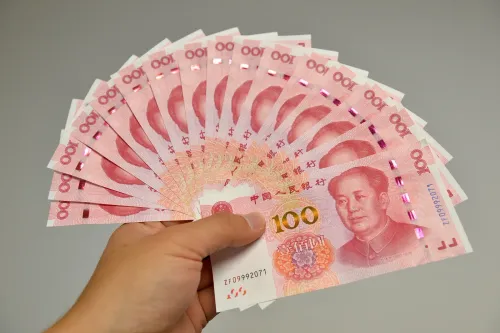
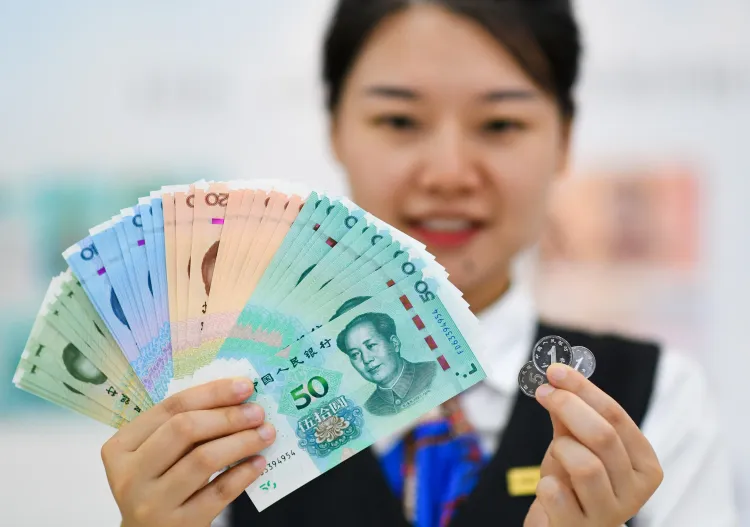
New Delhi, Dec 16 (NationPress) Countries transitioning to currency exchanges and swap agreements in Chinese yuan for seemingly short-term interest rate relief are likely to face long-term complications, as they risk creating currency mismatches and closely linking their national balance sheets to a financial system marked by a lack of transparency and convertibility, per an article in Capital News.
The article highlights Kenya and Indonesia as key examples of this trend.
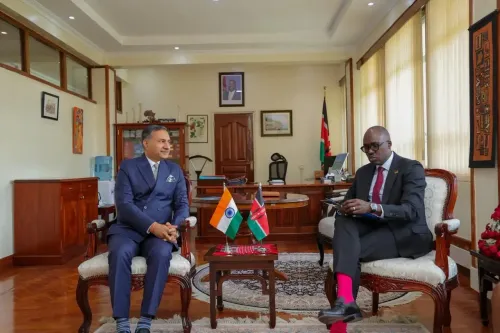
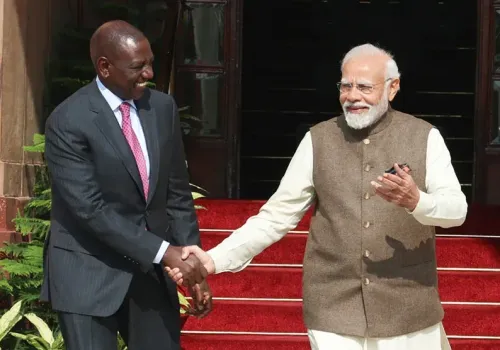
In October, Kenya converted three dollar-denominated loans from China’s Export-Import Bank, associated with the five-billion-dollar Standard Gauge Railway, into Chinese yuan. The Cabinet Secretary for Finance indicated that this move could save the country roughly $215 million annually in interest payments.
Simultaneously, in January 2025, Bank Indonesia and the People’s Bank of China extended their bilateral currency swap agreement for an additional five years, allowing exchanges of up to 400 billion yuan. According to Indonesia’s central bank, this agreement is intended to bolster bilateral trade settlements in local currencies and enhance financial stability.
However, by mid-2025, analysts observed that around 68 percent of Kenya’s external debt was still denominated in US dollars, indicating significant exposure to currency and interest rate volatility despite converting the railway loans.
These actions were framed as prudent financial strategies by China, Kenya, and Indonesia. The Kenyan government contended that converting its railway loans into yuan would alleviate budgetary pressures. In contrast, Indonesia’s central bank asserted that the expanded swap line would enhance monetary cooperation with China and bolster liquidity buffers.
Nevertheless, the article argues that this rationale fails under scrutiny. Kenya continues to generate most of its foreign exchange in dollars and shillings while maintaining only a limited amount of liquid yuan assets. This implies that the nation has shifted its repayment currency without changing the currency of its earnings. Any disruption affecting export revenues or restricting access to yuan liquidity could swiftly strain the government, compelling it to deplete dollar reserves to fulfill obligations now denominated in a less liquid currency.
Indonesia faces a different variant of this strategic challenge. The expanded swap line provides a greater pool of yuan liquidity but also increases operational dependency on a currency that lacks full convertibility and is subject to China’s domestic policy decisions. While this arrangement may assist in managing short-term fluctuations, it cannot replace the long-term stability derived from diversified reserves and varied creditor engagement. Essentially, this tool offers fleeting relief while embedding structural dependence, the article asserts.
It further notes that both countries are progressively gravitating towards a financing landscape where a single dominant creditor increasingly dictates liquidity access terms. China has already established a significant presence as a bilateral lender throughout much of the developing world.
Once debts are denominated in Chinese currency and bolstered by Chinese swap lines, borrowers' ability to negotiate on purely commercial terms diminishes. Debt restructuring, project renegotiation, and even public procurement decisions become intertwined with geopolitical considerations.
This concentration of exposure is frequently underestimated. It is easy to focus on immediate interest rate savings while neglecting the cumulative strategic implications of these arrangements. Over time, dependence evolves; it is no longer solely about the debt amount but also about the currency in which it is held, the channels through which liquidity flows, and the political factors influencing those channels, the article concluded.
Point of View
I believe that while the shift towards the Chinese yuan may appear beneficial in the short-term, it is crucial for nations to exercise caution. The long-term implications of such dependency could jeopardize financial sovereignty and expose these countries to unforeseen risks. A balanced approach that diversifies currency reserves and creditor engagements is essential for sustainable financial management.
NationPress
3 Oct 2026
Frequently Asked Questions
What are the risks of switching to the Chinese yuan?
Switching to the Chinese yuan can lead to currency mismatches and long-term dependency on a less transparent financial system.
How does Kenya's debt situation affect its economy?
Kenya's reliance on dollar-denominated debt exposes it to currency and interest rate volatility, even after converting some loans to yuan.
What is the significance of currency swap agreements?
Currency swap agreements can provide short-term liquidity but may also increase reliance on a single creditor, limiting financial flexibility.
How does Indonesia's agreement with China impact its economy?
Indonesia's currency swap agreement with China aims to stabilize bilateral trade but also deepens its reliance on a currency that is not fully convertible.
What should countries consider before adopting the yuan?
Countries should evaluate the long-term implications, including financial sovereignty and exposure to geopolitical risks, before adopting the yuan.