DMK Alliance Faces Seat-Sharing Crisis as CPI and CPI(M) Clash
Synopsis
The DMK-led alliance's seat-sharing negotiations are in turmoil as the CPI reduces its seat demand, diverging from CPI(M)'s insistence for more, potentially jeopardizing coalition unity ahead of the Tamil Nadu elections.
Key Takeaways
Seat-sharing negotiations in the DMK-led alliance are facing a significant impasse.
The CPI has reduced its demands, while CPI(M) remains firm on its position.
Political dynamics within the coalition are crucial ahead of the April elections.
Recent controversies regarding Dalit issues could impact the alliance's performance.
Pressure mounts on the DMK to resolve internal differences quickly.
Chennai, March 19 (NationPress) Seat-sharing discussions within the DMK-led coalition have encountered a significant obstacle after the CPI consented to contest five seats, diverging from its Left partner, the CPI (M), which is steadfast in demanding a greater share. The CPI's decision to reduce its initial request—previously discussed jointly with the CPI(M) for six or more constituencies—has taken the party leadership by surprise and disrupted the momentum of the alliance negotiations as the April 23 Tamil Nadu Assembly election approaches.
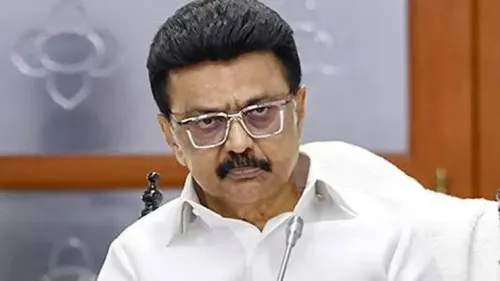
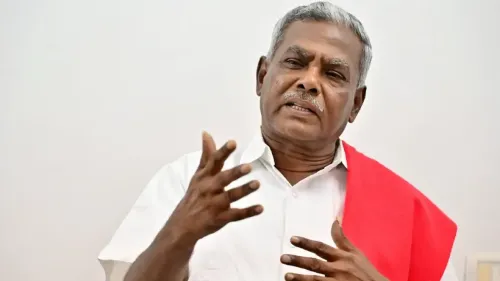
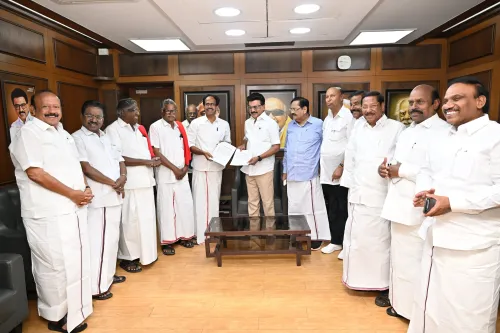
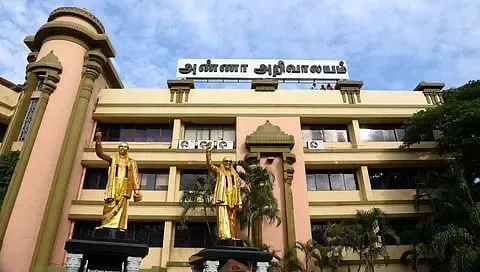
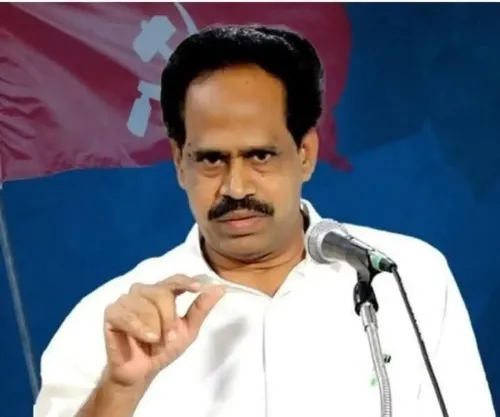
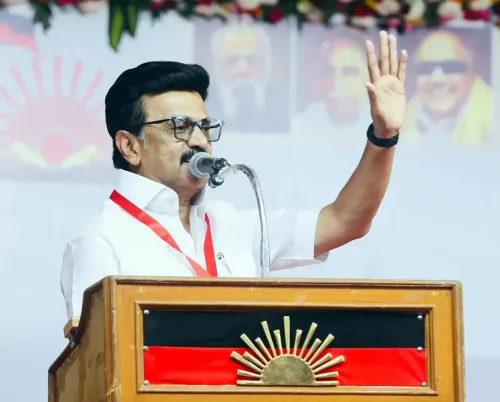
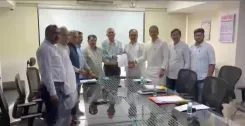
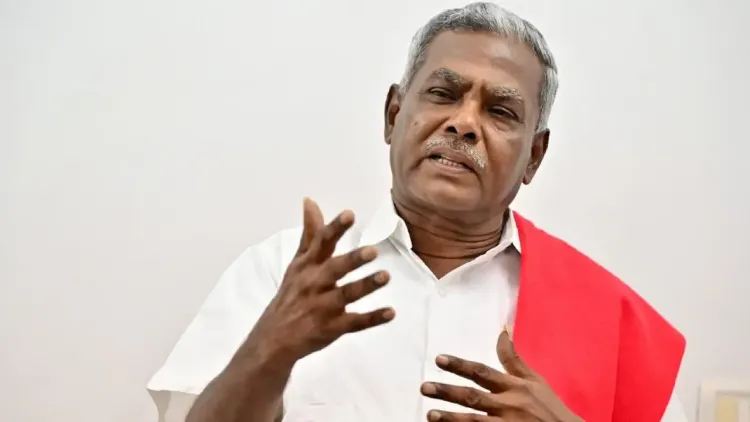
The formal agreement between the DMK and CPI was established on Wednesday at Anna Arivalayam, with Chief Minister and DMK president M.K. Stalin present. CPI State Secretary M. Veerapandian acknowledged that the cut in seat allocation might disappoint party supporters but emphasized that the choice was influenced by larger political factors.
“Our political strategy transcends mere seat counts. Occasionally, we may set aside our own demands for the overarching political aim of defeating the BJP. However, we will not waver from our ideological stance,” stated Veerapandian.
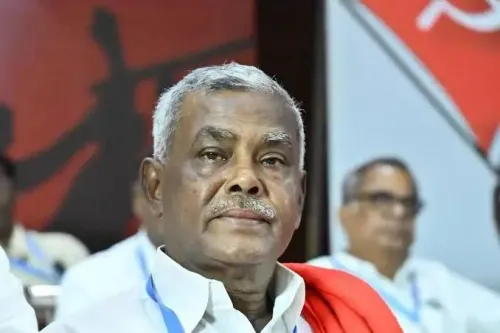
In contrast, the CPI(M) remains resolute. Senior figures within the party reiterated their insistence on more than six seats and are awaiting a revised proposal from the DMK.
“We have not accepted the allocation of five seats. The DMK needs to make a decision and initiate further discussions,” a CPI(M) leader remarked.
Sources suggest that the CPI and CPI(M) had initially coordinated their negotiation tactics, making the CPI’s independent move a contentious issue within the Left coalition. This ongoing impasse is also hindering the DMK’s broader efforts to build alliances.
Negotiations with other significant partners, including the VCK, DMDK, and Kamal Haasan’s MNM, have not advanced beyond preliminary discussions. Among these, the VCK is a crucial ally for the DMK, especially given recent controversies surrounding Dalit issues. Incidents like the Vengaivayal water contamination case and the alleged custodial death of a Dalit youth have drawn public scrutiny towards the ruling party.
Political analysts observe that the involvement of VCK leader Thol Thirumavalavan, a key Dalit representative, could be vital in countering opposition critiques and uniting support among marginalized groups.
As the election calendar is set, the DMK faces increasing pressure to quickly resolve internal disputes and finalize its alliance framework to transition into campaign mode.
Point of View
The unfolding political dynamics within the DMK-led alliance reflect the complexities of coalition politics in India. The differing seat demands from CPI and CPI(M) highlight the challenges faced by political parties in balancing individual aspirations with collective goals, especially in the lead-up to crucial elections.
NationPress
22 Sept 2026
Frequently Asked Questions
What prompted the CPI to reduce its seat demand?
The CPI's decision to lower its demand for seats was influenced by broader political considerations aimed at maintaining coalition stability and defeating the BJP.
How has the CPI(M) reacted to the CPI's decision?
The CPI(M) has expressed its firm stance on demanding more than six seats and has not accepted the CPI's reduced allocation.
What are the implications of this seat-sharing deadlock?
The deadlock in seat-sharing negotiations could hinder the DMK's ability to effectively campaign and build a united front against opposition parties in the upcoming elections.
Who are the key partners in the DMK-led alliance?
Key partners in the DMK-led alliance include CPI, CPI(M), VCK, DMDK, and Kamal Haasan's MNM.
Why is the VCK considered a crucial ally for the DMK?
The VCK is seen as essential due to its influence on Dalit issues, especially in light of recent controversies that have affected the ruling party's image.