DMK Set to Finalize Seat-Sharing with Left Allies in Tamil Nadu Today
Synopsis
In a pivotal move for the upcoming elections, the DMK is set to finalize its seat-sharing deal with its Left allies, the CPI and CPI(M), today. With negotiations nearing completion, the potential for a repeat of the 2021 formula looms large.
Key Takeaways
DMK's negotiations with Left allies are at a critical juncture.
Six seats each for CPI and CPI(M) likely to be confirmed.
Left parties seek increased representation.
Political analysts emphasize the importance of unity in the alliance.
Final decisions will impact electoral strategies.
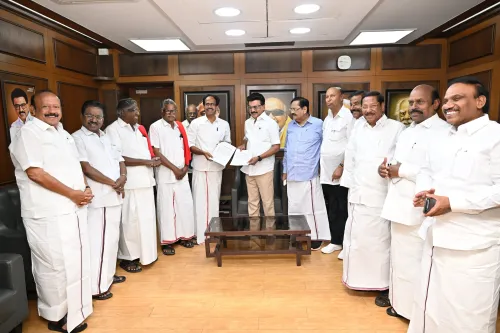
Chennai, March 18 (NationPress) The ruling DMK is poised to finalize its seat-sharing agreement with its Left allies -- the CPI and CPI(M) -- today, as discussions reach their concluding phase, suggesting a continuation of the arrangement from 2021.
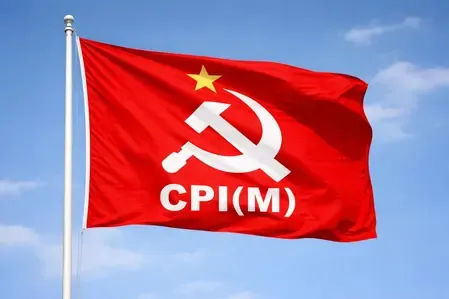
According to insiders within the DMK, party leaders are considering allocating six constituencies each to both the CPI and CPI(M), mirroring the number they contested during the previous Assembly election.
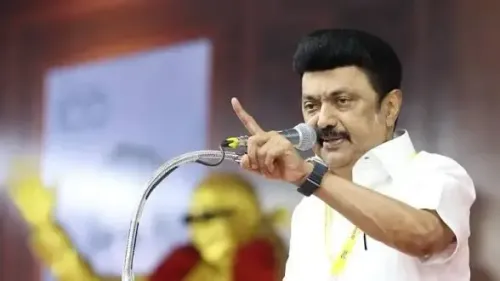
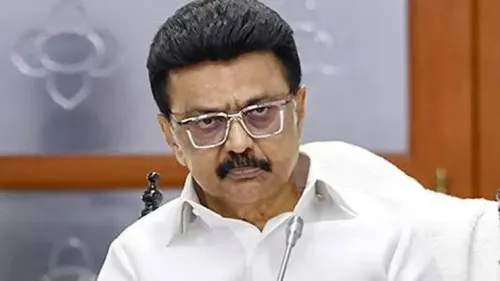
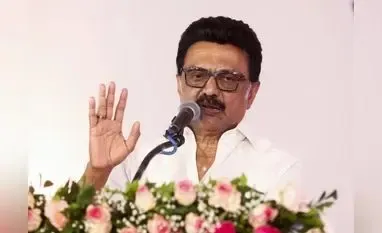
A decision is anticipated following consultations with Chief Minister M.K. Stalin, with an official announcement expected later today.
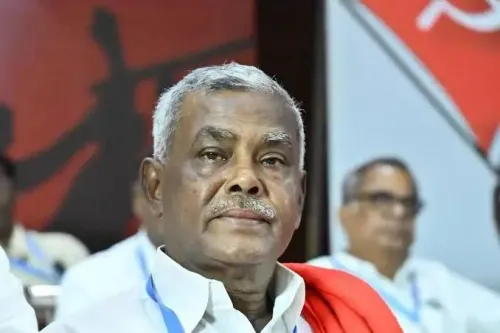
This move occurs despite both Left parties advocating for a slight increase in their seat allocations. Leaders from the CPI and CPI(M) have requested at least one additional seat each, arguing that their organizational strength and electoral contributions justify a larger role in the DMK-led Secular Progressive Alliance (SPA).
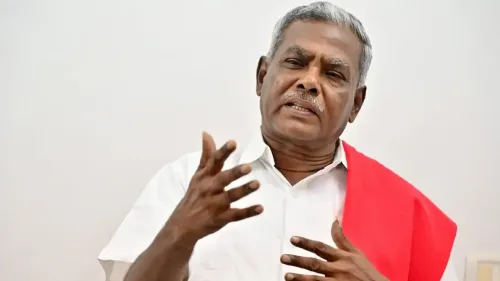
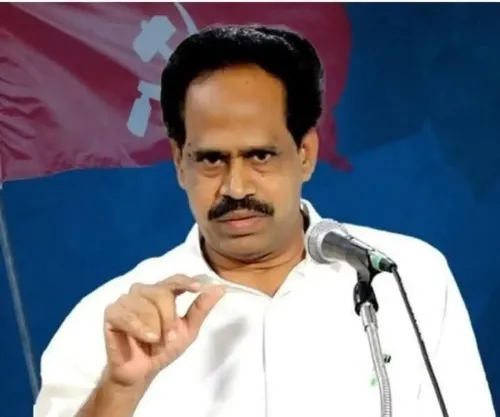
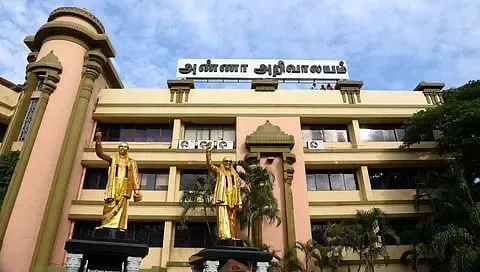
On Tuesday, CPI(M) officials met with the DMK's seat-sharing committee at Anna Arivalayam in Chennai to reiterate their demands. After the meeting, CPI(M) state secretary P. Shanmugam expressed optimism about the discussions, stating they were progressing positively.
“The committee has assured us that our requests will be discussed with the Chief Minister, and we hope to arrive at a mutually satisfactory agreement,” he mentioned.
Shanmugam previously raised concerns about the rationale behind denying the Left parties additional seats, particularly while larger allies like the Congress are likely to secure a greater number of constituencies than in the last election. However, he clarified that the CPI(M) is not focused on the allocations for other coalition partners, such as DMDK, but rather on their own share.
DMK insiders have indicated that there were initial discussions about reducing the Left parties’ allocation to five seats each. However, it seems the leadership has shifted its stance to prioritize alliance stability and avoid conflicts leading up to the elections.
Political analysts believe that the DMK aims to conclude alliance negotiations promptly to pivot their focus towards campaign strategies and candidate selections. Retaining the current seat-sharing arrangement could foster unity within the alliance while accommodating various demands.
As these discussions are deemed crucial, the DMK’s final decision will likely shape the electoral strategy of the alliance for the forthcoming Assembly elections.
Point of View
The DMK's negotiations with its Left allies signal a crucial moment in Tamil Nadu's political landscape. Balancing demands within the alliance while maintaining unity is imperative as the Assembly elections approach. The decisions made today could have lasting implications for the region's governance.
NationPress
15 Oct 2026
Frequently Asked Questions
What is the current status of DMK's seat-sharing negotiations?
The DMK is expected to finalize its seat-sharing agreement with the CPI and CPI(M) today, likely maintaining the previous formula from the last elections.
How many seats are the Left parties expected to receive?
The DMK is inclined to allocate six seats each to the CPI and CPI(M), the same as in the last Assembly elections.
What are the demands of the Left parties?
Both the CPI and CPI(M) have requested at least one additional seat each, citing their organizational strength and contributions.
When will the final decision be announced?
An official announcement is expected later today following consultations with Chief Minister M.K. Stalin.
Why is the seat-sharing arrangement important?
The arrangement is crucial for maintaining unity in the alliance and shaping the electoral strategy for the upcoming Assembly elections.