CPI urges Tamil Nadu to scrap sanitation privatisation plan, citing worker rights
Synopsis
The CPI is pushing back hard against Tamil Nadu's reported plan to privatise sanitation services across 10 municipal corporations, warning it would strip workers from marginalised communities of job security, wages, and pensions. The party is demanding not just a rollback, but a public-sector-led modernisation strategy — making this a flashpoint for the broader labour-versus-privatisation debate in urban governance.
Key Takeaways
The CPI on 21 June urged the Tamil Nadu government to withdraw its reported plan to privatise sanitation and solid waste management services.
Privatisation is reportedly being considered for 10 municipal corporations , including Coimbatore , Madurai , Vellore , and Thoothukudi , among others.
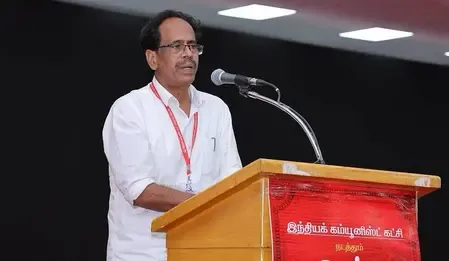
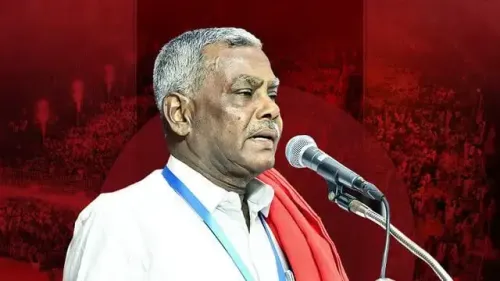
CPI State Secretary M.
Veerapandian warned the move would deny sanitation workers job security, regular wages, pension benefits, and other labour rights.
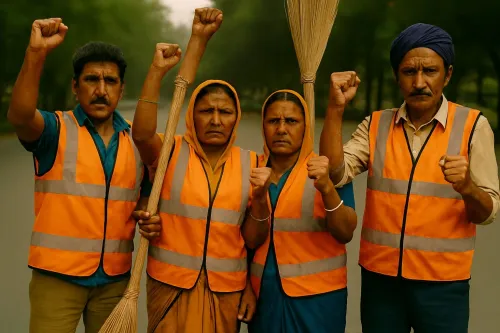
The CPI noted that a large share of sanitation workers belong to historically marginalised communities vulnerable to exploitation under private contracts.
The party proposed investment in mechanised cleaning and scientific waste management , paired with skill development and social security for affected workers.
The Tamil Nadu government has not yet issued a formal response to the CPI's demands, according to available reports.
The Communist Party of India (CPI) on 21 June called on the Tamil Nadu government to withdraw its reported plan to privatise sanitation and solid waste management services across municipal corporations in the state, warning that the move would strip thousands of workers — many from historically marginalised communities — of job security and labour protections.
What the CPI Is Opposing
According to reports, the state government is considering handing over sanitation operations to private agencies in at least 10 municipal corporations, including Tambaram, Avadi, Hosur, Vellore, Coimbatore, Erode, Salem, Tiruppur, Madurai, and Thoothukudi. The CPI has characterised this as a threat to essential public services that are directly tied to urban public health.
What the CPI Said
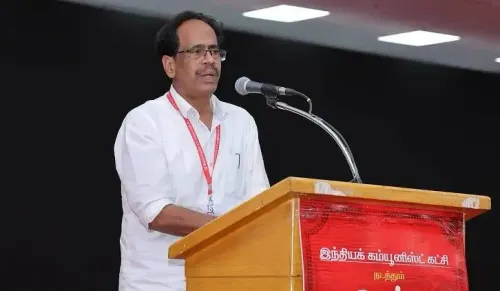
CPI State Secretary M. Veerapandian said in a statement that a large proportion of sanitation workers employed by local bodies belong to historically oppressed and marginalised communities and depend on these positions for their livelihoods. 'In a society that continues to grapple with caste-based inequalities, it is unjust to push sanitation workers into an employment system where they are denied job security, regular wages, pension benefits and other labour rights,' he said.
Veerapandian also alleged that previous contractual and private-sector arrangements in sanitation had enabled exploitation of workers by private contractors. He noted that the CPI, alongside Left organisations and trade unions, had previously organised protests against similar privatisation attempts by successive governments.
The Broader Labour Rights Argument
The CPI's objection goes beyond this specific decision. The party argues that sanitation work is a permanent, essential public service and should remain under the direct employment of local bodies. Veerapandian pointed out that past administrations had repeatedly ignored demands to protect workers' rights while expanding private participation in the sector. He urged the current government to reverse that trajectory by strengthening public-sector employment in urban local bodies.
Notably, this is not the first time Tamil Nadu's sanitation privatisation has drawn political opposition — Left parties and trade unions have raised similar concerns over multiple administrations, suggesting the issue reflects a structural tension between fiscal efficiency and labour welfare in urban governance.
CPI's Alternative Roadmap
Rather than simply opposing privatisation, the CPI has outlined a counter-proposal. Veerapandian said the government should invest in modern technology, mechanised cleaning systems, and scientific waste-management practices to gradually reduce dependence on manual sanitation work. Critically, he stressed that any such transition must be accompanied by alternative employment opportunities, skill development programmes, and adequate social security protections to ensure workers are not displaced by technological change.
'The government must prioritise social justice, worker welfare and public health rather than pursuing privatisation,' Veerapandian said. The party has also called for a long-term strategy to improve working conditions across the sanitation sector.
What Happens Next
The Tamil Nadu government has not yet issued a formal response to the CPI's demands, according to available reports. With the privatisation reportedly still at a planning stage across the named corporations, pressure from Left parties and associated trade unions is likely to intensify ahead of any formal announcement.
Point of View
But the underlying issue is not. Tamil Nadu's urban local bodies have long struggled with the fiscal burden of a large permanent sanitation workforce, and privatisation has been a recurring administrative temptation across party lines — including under DMK governments. What the CPI gets right is the structural vulnerability: sanitation workers are disproportionately from Dalit communities, and contractual arrangements have historically meant lower wages and no social security. What the party does not fully address is how municipalities fund a modernised, public-sector sanitation system without either raising taxes or cutting services elsewhere. The real debate — one mainstream coverage is missing — is not privatisation versus status quo, but how to fund dignified public employment in an era of strained municipal finances.
NationPress
20 Sept 2026
Frequently Asked Questions
What is the Tamil Nadu sanitation privatisation plan that the CPI is opposing?
The Tamil Nadu government is reportedly considering handing over sanitation and solid waste management operations to private agencies in at least 10 municipal corporations, including Coimbatore, Madurai, Vellore, and Thoothukudi. The CPI has demanded the government withdraw this plan, arguing it threatens the livelihoods and labour rights of thousands of workers from marginalised communities.
Who is M. Veerapandian and what did he say?
M. Veerapandian is the State Secretary of the Communist Party of India (CPI) in Tamil Nadu. He issued a statement on 21 June calling the privatisation plan unjust, arguing that pushing sanitation workers into private employment would deny them job security, regular wages, pension benefits, and other labour protections.
Which municipal corporations are affected by the reported privatisation plan?
According to the CPI's statement, the privatisation plan reportedly covers Tambaram, Avadi, Hosur, Vellore, Coimbatore, Erode, Salem, Tiruppur, Madurai, and Thoothukudi — a total of 10 municipal corporations across Tamil Nadu.
What alternative does the CPI propose to privatising sanitation services?
The CPI has called for investment in modern technology, mechanised cleaning systems, and scientific waste-management practices as a long-term alternative. It also urged the government to provide alternative employment, skill development programmes, and social security protections for workers displaced by any technological transition.
Has the Tamil Nadu government responded to the CPI's demands?
As of available reports, the Tamil Nadu government has not issued a formal response to the CPI's demands. The privatisation is reportedly still at a planning stage across the named corporations.