Is CPI(M) Trying to Create Communal Polarisation Ahead of Kerala Assembly Polls?
Synopsis
Ramesh Chennithala, a prominent CWC member, has raised alarms about the CPI(M)'s alleged tactics to create communal divisions for electoral gain in upcoming Assembly elections. His statements highlight concerns over communal rhetoric and its implications for Kerala's political landscape. Will voters see through this strategy?
Key Takeaways
Accusation of communal tactics by CPI(M) Concerns over political rhetoric Call for vigilance among voters Importance of inclusive politics Historical context of Congress's approach
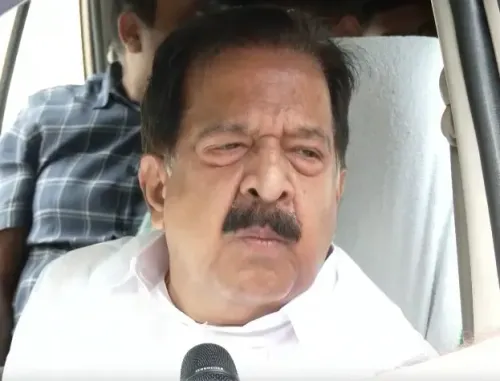
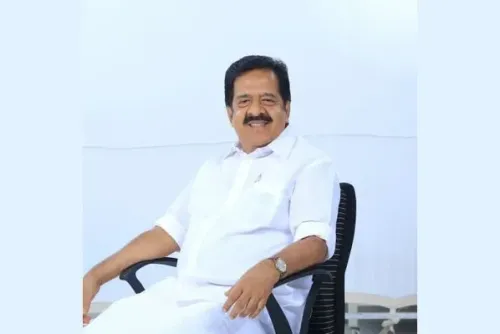
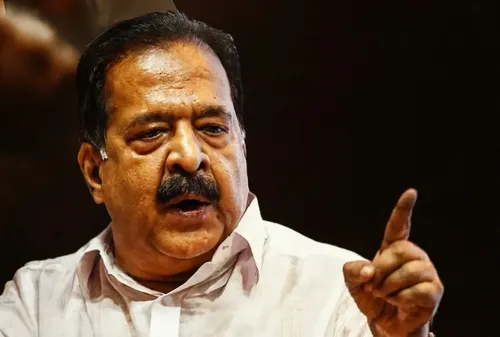
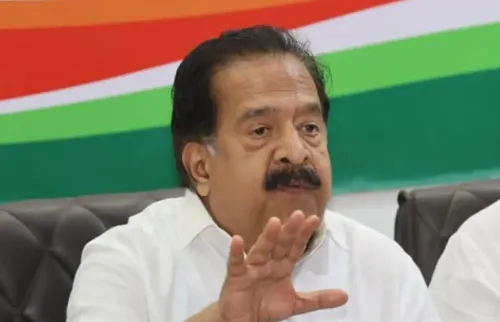
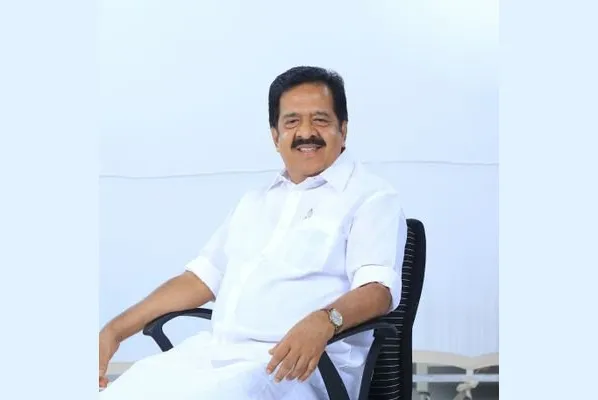
Kochi, Jan 19 (NationPress) CWC member and legislator Ramesh Chennithala has accused the ruling CPI(M) of attempting to instigate communal polarisation to garner votes as the Assembly elections approach. He labeled Minister Saji Cherian's recent comments as “serious and dangerous”, asserting they form part of a calculated political strategy.
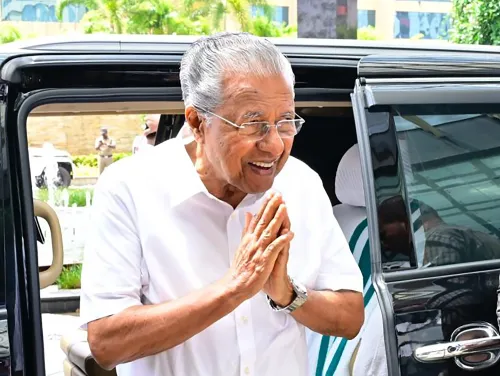
In a media briefing, Chennithala pointed out that Cherian's remarks, which referenced the number of elected officials from Kasaragod and Malappuram, followed statements from Chief Minister Pinarayi Vijayan, indicating a notable transition by the CPI(M) from “class politics” to “communal mobilisation”.
“Even while attempting to clarify his statement, the minister merely reiterated the same arguments. This demonstrates that the communal reference was intentional, not accidental,” Chennithala claimed.
He highlighted that Kerala is witnessing a Chief Minister who has forsaken ideological commitments, now “fostering communal divisions”.
As proof, Chennithala cited the Chief Minister's willingness to defend former minister A.K. Balan's assertion that “Jamaat-e-Islami would control the Home Department if the Congress-led UDF came to power”.
“These statements are not isolated but part of a deliberate strategy,” he stated, urging the populace to stay alert against what he termed as the CPI(M)'s calculated communal tactics. Chennithala emphasized that Leader of the Opposition V.D. Satheesan's reaction to the controversy aligns with Congress's policy.
“Opposing communalism is the Congress party's unwavering stance,” he affirmed, noting that the party has consistently adopted an inclusive approach at both the national and state levels, engaging all segments of society.
Reflecting on past experiences, Chennithala mentioned that during the administrations of former Chief Minister Oommen Chandy and himself, community organizations frequently criticized the Congress, yet the party's response was to absorb criticism and progress without confrontation.
He expressed that there is nothing wrong with organizations like the NSS and SNDP collaborating, as both have significantly contributed to Kerala's educational, cultural, and social advancement.
Emphasizing the need to avoid unnecessary verbal disputes and restore the UDF to power, Chennithala remarked that Kerala requires relief from the challenges it has faced over the last decade.
He expressed confidence that voters will ultimately recognize and reject what he describes as the CPI(M)'s communal agenda.
Point of View
The situation in Kerala reflects broader concerns about communal dynamics in Indian politics. Chennithala's comments underscore the importance of vigilance against divisive tactics, which can undermine social cohesion. As such, the emphasis on an inclusive approach remains crucial for fostering unity in diversity across the nation.
NationPress
20 Sept 2026
Frequently Asked Questions
What did Ramesh Chennithala accuse the CPI(M) of?
He accused the CPI(M) of trying to create communal polarisation to secure votes ahead of the Assembly elections.
What were the implications of Minister Saji Cherian's remarks?
Chennithala described the remarks as serious and indicative of a shift from class politics to communal mobilisation.
What is the Congress party's stance on communalism?
The Congress party maintains an uncompromising stance against communalism, advocating for an inclusive approach.
How did Chennithala react to the Chief Minister's defense of A.K. Balan's comments?
Chennithala viewed the defense as a part of a conscious strategy to foster communal divisions.
What is the immediate goal expressed by Chennithala?
He aims to avoid unnecessary verbal battles and restore the UDF to power for Kerala's relief from past hardships.