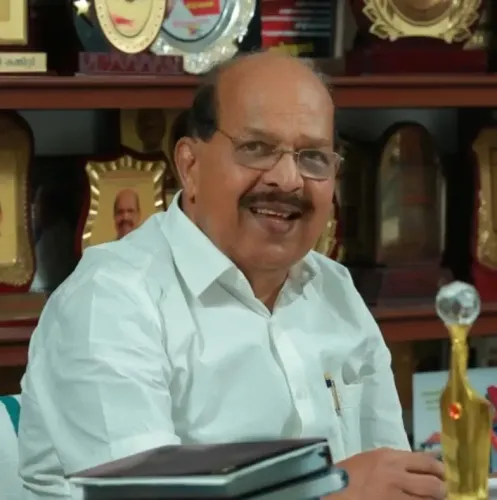
CPI(M) MP Su Venkatesan fires back at Madras HC judge over lifestyle remarks
Synopsis
A Madras High Court judge's bench remarks about a Communist MP's Mercedes-Benz arrival and First AC travel have sparked a pointed public exchange — with the MP firing back on X, denying car ownership and arguing that political conviction outweighs attire. The row raises sharp questions about judicial commentary crossing into personal territory.
Key Takeaways
CPI(M) MP Su Venkatesan publicly rebutted Madras HC Justice G.R.
Swaminathan's remarks on 17 November via a post on X .
Justice Swaminathan questioned how a professed Communist could arrive in a Mercedes-Benz , wear branded clothes, and travel in First AC — while the judge travelled in Sleeper Class .
Venkatesan denied owning the Mercedes-Benz , clarifying it was not his vehicle.
He defended his First AC travel as covered under official MP travel entitlements .
The remarks arose during a contempt petition hearing over alleged irregularities in public library book procurement at the Madurai Bench .
Venkatesan asserted that personal criticism would not deter him from his Communist ideological commitments.
Communist Party of India (Marxist) Lok Sabha member Su Venkatesan on Tuesday, 17 November strongly pushed back against Madras High Court Justice G.R. Swaminathan's remarks questioning his lifestyle and ideological commitment, asserting that political convictions and actions carry far greater weight than outward appearance or mode of travel. The Madurai MP categorically denied owning a luxury vehicle, clarifying that the Mercedes-Benz he was seen arriving in at a railway station did not belong to him and that he had never owned a car.
How the Controversy Erupted
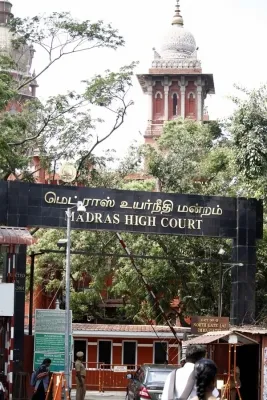
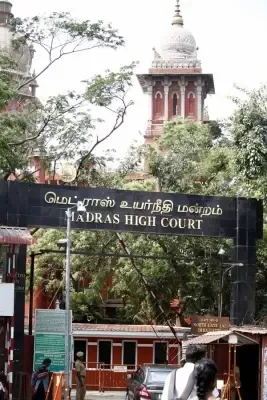
The row began on Monday, 16 November, when Justice Swaminathan made observations from the bench of the Madurai Bench of the Madras High Court during the hearing of a contempt petition related to alleged irregularities in the procurement of books for public libraries. The judge recalled a personal encounter with Venkatesan at a railway station while travelling on the Pandian Express from Chennai to Madurai. He questioned how a professed Communist could lead what he described as a 'corporate' lifestyle, noting that Venkatesan had arrived in a Mercedes-Benz, sported branded clothes, and was travelling in First AC — while the judge himself was in Sleeper Class.
Venkatesan's Point-by-Point Rebuttal
Responding through a detailed post on social media platform X, Venkatesan maintained that the ideological positions and political outlook of those scrutinising another person's lifestyle were more significant than superficial appearances. He argued that criticism based on unverified observations reflected prejudice and amounted to a personal attack. On the First AC travel, the parliamentarian clarified that his ticket was covered under the official travel entitlements available to Members of Parliament — a standard perquisite. He further argued that travelling in first class could no more invalidate a person's political views than travelling in Sleeper Class could automatically lend credibility to someone's judgements.
Ideology and Accountability
The CPI(M) leader reaffirmed that Communists were accountable to the people and had a responsibility to address questions raised about their commitment to simplicity and personal integrity. He stated that his political upbringing had instilled in him the duty to question and challenge matters of public concern, and that personal criticism would not deter him from pursuing those principles. Notably, the exchange has drawn attention to broader questions about whether a public figure's lifestyle choices can be legitimately scrutinised from the bench, and where the boundary lies between judicial observation and personal commentary.
Wider Significance
This is not the first time Justice Swaminathan has made headline-generating remarks from the bench — the judge has previously drawn attention for pointed observations on social and political matters during hearings. The incident has reignited debate within Tamil Nadu's political circles about the intersection of judicial conduct, political ideology, and personal accountability. The underlying contempt petition concerning library book procurement remains under adjudication at the Madurai Bench. How the court proceeds — and whether Tuesday's public exchange influences the atmosphere of the proceedings — will be closely watched.
Point of View
Clothes, and train class, it blurs the line between legal scrutiny and personal rebuke, regardless of whether the underlying point about ideological consistency has merit. Venkatesan's rebuttal was measured enough to avoid escalation, but his X post signals that CPI(M) will not absorb such remarks quietly. The more uncomfortable question — which neither side has fully answered — is whether the contempt petition itself, concerning library book procurement, is now at risk of being overshadowed by a personality clash that serves neither the court's authority nor the public interest in accountability.
NationPress
17 Nov 2026
Frequently Asked Questions
What remarks did Justice Swaminathan make about Su Venkatesan?
Justice G.R. Swaminathan, while hearing a contempt petition at the Madurai Bench of the Madras High Court on 16 November, recalled seeing CPI(M) MP Su Venkatesan arrive at a railway station in a Mercedes-Benz, wearing branded clothes, and travelling in First AC on the Pandian Express. The judge questioned how a professed Communist could lead what he called a 'corporate' lifestyle.
How did Su Venkatesan respond to the judge's remarks?
Venkatesan responded through a detailed post on social media platform X, denying that the Mercedes-Benz belonged to him and explaining that his First AC travel was covered under official MP travel entitlements. He argued that political convictions and actions matter far more than outward appearance or mode of travel.
What is the contempt petition that triggered these remarks?
The contempt petition before the Madurai Bench of the Madras High Court concerns alleged irregularities in the procurement of books for public libraries. Justice Swaminathan's lifestyle remarks were made as an aside during the hearing of this petition on 16 November.
Does Su Venkatesan own a Mercedes-Benz?
Venkatesan denied owning the vehicle, stating that the Mercedes-Benz in which he arrived at the railway station did not belong to him and that he has never owned a car. He called the criticism based on this unverified observation an act of prejudice and a personal attack.
Why does this controversy matter beyond the two individuals involved?
The exchange raises broader questions about the boundary between judicial observation and personal commentary from the bench, and about whether a sitting judge's remarks targeting a specific public figure's lifestyle are appropriate in an ongoing legal proceeding. It has reignited debate in Tamil Nadu's political and legal circles about accountability, ideology, and judicial conduct.