Cyclone Arnab floods Srikakulam: NH-16 blocked, trains cancelled
Synopsis
Cyclone Arnab may have weakened into a depression, but Srikakulam is bearing the brunt of its aftermath — four rivers in spate, a third danger warning on the Bahuda, a major national highway submerged, trains cancelled, and villages completely cut off. The dam release from Odisha's Baghalati Dam has added a cross-border dimension to the flood crisis.
Key Takeaways
Cyclone Arnab crossed the Andhra Pradesh coast in the early hours of 28 October 2026 and weakened into a depression by 29 October .
Bahuda, Vamsadhara, Nagavali , and Mahendrathanaya rivers are in spate; a third danger warning has been issued for the Bahuda River.
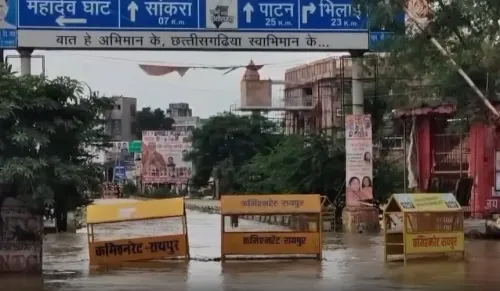
National Highway 16 (Kolkata–Chennai) was inundated, bringing traffic to a complete halt.
Railway tracks flooded at Tallabhadra and Jadupudi ; South Coast Railway cancelled or diverted several trains.
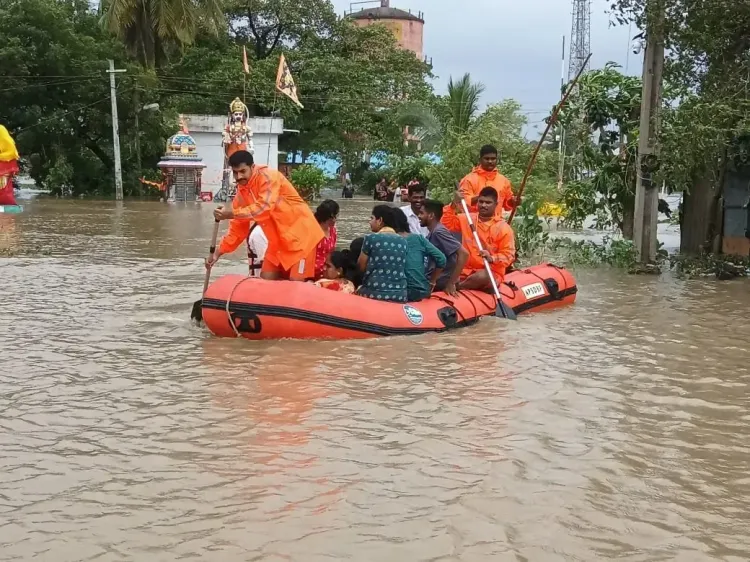
NDRF and SDRF teams are conducting rescue and relief operations across the district.
The IMD recorded extremely heavy rainfall (21 cm+) at isolated locations in South Odisha and North Andhra Pradesh in the past 24 hours.
Heavy rains in the wake of Cyclone Arnab have flooded several villages across Srikakulam district in Andhra Pradesh, cutting road and rail connectivity and causing widespread damage to standing crops. The flooding, which intensified over the past three days, has forced authorities to deploy rescue teams and cancel or divert multiple trains.
Rivers in Spate, Dam Releases Worsen Crisis
Four major rivers — Vamsadhara, Nagavali, Mahendrathanaya, and Bahuda — are running in spate on Thursday, 29 October, swelled by heavy rainfall and massive flood inflows from neighbouring Odisha. The opening of the floodgates at Baghalati Dam in Odisha sent a fierce surge into the Bahuda River at Itchapuram, pushing water levels to unprecedented heights in Srikakulam district. Authorities subsequently issued the third danger warning for the Bahuda River, indicating extremely high flood risk for downstream communities.
NH-16 Submerged, Villages Cut Off
National Highway 16 — the critical Kolkata–Chennai highway — was inundated by floodwaters, bringing traffic to a complete halt. Multiple villages in the coastal belt were cut off from the rest of the district. Teams from the National Disaster Response Force (NDRF) and the State Disaster Response Force (SDRF) were pressed into rescue and relief operations, evacuating stranded residents and supplying essential goods to isolated areas.
Train Services Disrupted Across the Region
Railway tracks were flooded at Tallabhadra in Sompeta mandal and at Jadupudi in Kanchili mandal of Srikakulam district, disrupting train movements on one of India's busiest coastal corridors. South Coast Railway cancelled or diverted several trains due to the flooding of tracks at multiple locations across Srikakulam and Visakhapatnam districts. Roads across north coastal Andhra reportedly turned into lakes under the sustained deluge.
Cyclone Arnab Weakens into Depression
Cyclone Arnab, classified as a very severe cyclonic storm before landfall, crossed the coast in the early hours of Wednesday, 28 October, and subsequently weakened into a depression. According to the India Meteorological Department (IMD), as of 0830 hours IST on 29 October, the depression lay centred approximately 40 km north-northwest of Jagdalpur (Chhattisgarh), 180 km southwest of Titlagarh (Odisha), and 310 km southwest of Sambalpur (Odisha). The IMD said the system is very likely to continue moving nearly northwards and weaken further into a well-marked low-pressure area over North Chhattisgarh and adjoining Northwest Odisha by the evening of 29 October.
Widespread Rainfall Across Eastern India
The IMD reported that over the past 24 hours, widespread rainfall occurred across North Andhra Pradesh, Northeast Telangana, Chhattisgarh, Odisha, Jharkhand, and Gangetic West Bengal. Extremely heavy rainfall — defined as 21 cm or more — was recorded at isolated locations over South Odisha and North Andhra Pradesh. Heavy to very heavy rainfall was reported at isolated places in North Odisha, while heavy showers hit parts of Northeast Telangana, Chhattisgarh, Jharkhand, and Gangetic West Bengal. With the system weakening but moisture persisting, authorities are monitoring river levels closely, and further displacement cannot be ruled out in the next 24 hours.
Point of View
Sending surges into Andhra's river systems with little mitigation time. The Bahuda's third danger warning is not just a meteorological alert — it is a governance signal about inter-state flood coordination that has lagged behind the growing intensity of Bay of Bengal cyclones. With climate patterns increasingly throwing very severe cyclones at the Andhra–Odisha coast, the absence of a real-time, binding flood-release protocol between the two states is an accountability gap that each season exposes afresh.
NationPress
29 Oct 2026
Frequently Asked Questions
Which areas in Andhra Pradesh were flooded by Cyclone Arnab?
Several villages in Srikakulam district of Andhra Pradesh were flooded, with National Highway 16 submerged and areas including Itchapuram, Sompeta mandal (Tallabhadra), and Kanchili mandal (Jadupudi) severely affected. The north coastal Andhra region broadly experienced roads converting into waterlogged stretches.
What is the current status of Cyclone Arnab?
Cyclone Arnab, originally a very severe cyclonic storm, crossed the Andhra Pradesh coast in the early hours of 28 October 2026 and weakened into a depression. As of 0830 hours IST on 29 October, the IMD placed its centre about 40 km north-northwest of Jagdalpur (Chhattisgarh) and expects it to further weaken into a well-marked low-pressure area by the evening of 29 October.
Why is the Bahuda River flooding so severe in Srikakulam?
The Bahuda River received massive inflows from upstream after authorities opened the floodgates of Baghalati Dam in neighbouring Odisha, causing water levels to rise to unprecedented levels at Itchapuram. Authorities have issued the third danger warning — the highest alert — for the river, indicating extreme flood risk for communities along its banks.
How are train and road services affected in Srikakulam?
National Highway 16 (the Kolkata–Chennai highway) has been inundated, halting all traffic. South Coast Railway cancelled or diverted several trains after tracks flooded at Tallabhadra in Sompeta mandal and at Jadupudi in Kanchili mandal of Srikakulam district, as well as at locations in Visakhapatnam district.
What relief measures are being taken in the flood-hit areas?
Teams from the National Disaster Response Force (NDRF) and the State Disaster Response Force (SDRF) have been deployed across the affected areas for rescue and relief operations. Several villages that were cut off due to rising floodwaters are being attended to, with evacuation and supply efforts ongoing.