CEC Gyanesh Kumar resignation demand: D. Raja says movement intensifying daily
Synopsis
The opposition's campaign to oust Chief Election Commissioner Gyanesh Kumar is moving from courtrooms to the streets. With a CPI human chain on 30 October and a mass INDIA bloc rally at Ramlila Maidan on 1 November, D. Raja says public anger is only growing — and the CEC, who has so far held firm, faces his biggest test yet.
Key Takeaways
CPI General Secretary D.
Raja on 26 October said public agitation demanding CEC Gyanesh Kumar's resignation is intensifying each day.
The CPI will organise an independent human chain programme on 30 October .
The INDIA bloc has planned a major rally at Ramlila Maidan on 1 November , in which the CPI will also participate.
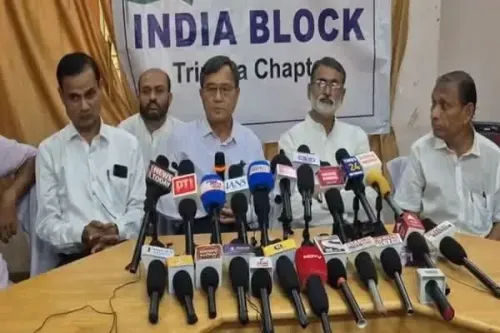
INDIA bloc parties have reportedly approached both the President of India and the Supreme Court , but the CEC has continued in office.
PM Narendra Modi was criticised by Raja for allegedly remaining silent on the developments.
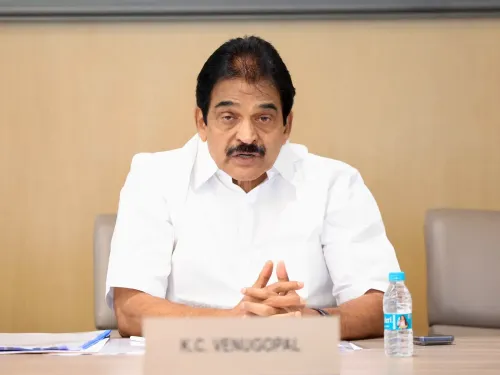
Raja declined to comment on Congress President Mallikarjun Kharge's remarks about PM Modi's father, saying Kharge was 'competent enough to explain' them himself.
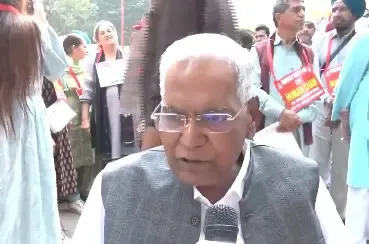
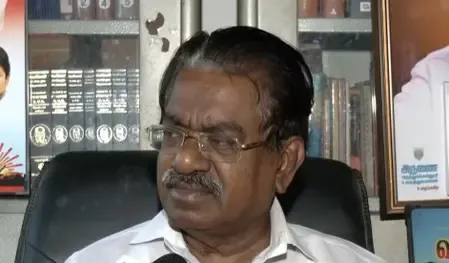
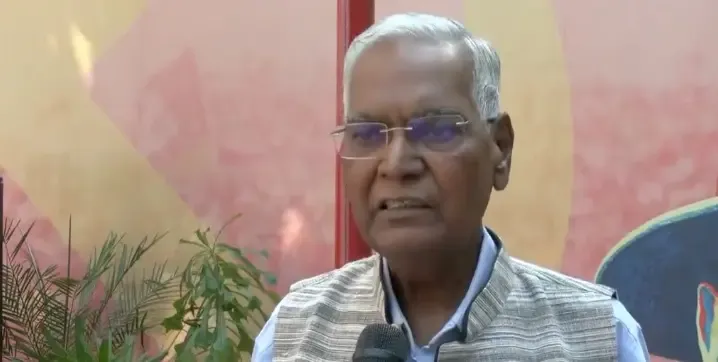
Communist Party of India (CPI) General Secretary D. Raja on Monday, 26 October said that public agitation demanding the resignation of Chief Election Commissioner Gyanesh Kumar is growing stronger each day, with citizens taking to the streets across the country. Raja made these remarks in New Delhi, signalling that opposition pressure on the election authority is set to escalate significantly over the coming days.
Key Programmes Announced
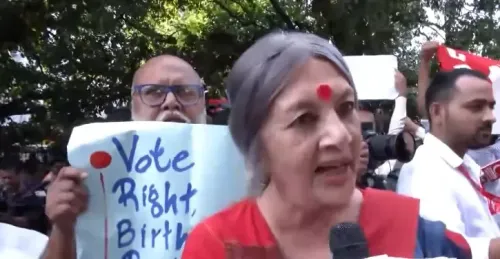
Raja outlined a two-track protest strategy. The CPI will independently organise a human chain programme on 30 October, distinct from broader coalition events. Under the banner of the opposition INDIA bloc, a public impeachment programme has also been planned, culminating in a large rally at Ramlila Maidan on 1 November. The CPI has confirmed its participation in the Ramlila Maidan rally as well.
'On October 30, our party will organise a human chain programme. It is an independent programme of the CPI. There is also a public impeachment programme organised on behalf of the INDIA bloc. On November 1, there will be a huge rally at Ramlila Maidan, organised by the INDIA bloc. Our party will also participate,' Raja said.
Opposition's Escalating Pressure on the CEC
Raja alleged that public anger against Chief Election Commissioner Gyanesh Kumar has been mounting steadily, with demonstrators pressing for his exit from office. He claimed that despite INDIA bloc parties approaching both the President of India and the Supreme Court with their grievances, Kumar has continued in his position. 'Every day, the movement is intensifying, and people are coming out onto the streets. People are extremely angry and anguished, and they demand that the Chief Election Commissioner should resign. However, he is not doing so,' Raja said.
This comes amid a broader pattern of the opposition targeting election administration ahead of upcoming state polls, with multiple INDIA bloc leaders having previously raised concerns about electoral transparency and institutional impartiality.
Modi Criticised for Silence
Raja also took aim at Prime Minister Narendra Modi, alleging that the Prime Minister had not publicly commented on the unfolding agitation or the broader political developments in the country. The criticism underscores the opposition's attempt to frame the issue as one of democratic accountability at the highest level.
CPI's Stance on Kharge Remarks Controversy
On the controversy surrounding Congress President Mallikarjun Kharge's remarks about the Prime Minister's father, Raja adopted a measured position. He described Kharge as a senior politician fully capable of explaining the context of his own comments, and declined to either defend or condemn them on behalf of the Left. 'The media is reporting that he has made certain comments or remarks. In what context and under what provocation he said those things, he is competent enough to explain. The Congress party is also competent to explain,' Raja said.
Raja drew a clear distinction between the CPI's political culture and that of other parties, reiterating that his party steers clear of personal attacks. 'As far as our party is concerned, we do not indulge in personal attacks or personal criticism. We raise issues of national importance and those related to people's livelihoods. We question and criticise the government, the Prime Minister and the Home Minister, but we have our own way of criticising those in power,' he added.
What Comes Next
With the 30 October human chain and the 1 November Ramlila Maidan rally on the horizon, the opposition's campaign against the Chief Election Commissioner is set to enter a more visible, street-level phase. Whether the escalation translates into institutional action — or remains a political mobilisation exercise — will depend on how the government and the Election Commission respond in the days ahead.
Point of View
And have they been tested in court? Framing this primarily as a mass agitation — rather than pursuing it through the legal or constitutional route — risks looking more like pre-election pressure tactics than a principled accountability drive. The Ramlila Maidan rally on 1 November will be a visibility test for the INDIA bloc, but the Supreme Court's response, if any, will be the real indicator of whether the grievances carry legal weight.
NationPress
27 Oct 2026
Frequently Asked Questions
Why is the opposition demanding the resignation of Chief Election Commissioner Gyanesh Kumar?
Opposition parties, including the CPI and INDIA bloc constituents, allege that public confidence in the Chief Election Commissioner has eroded and are calling for his resignation. They claim to have approached the President and the Supreme Court over their concerns, though the CEC has remained in office.
What protests are planned against the CEC in the coming days?
The CPI will hold a human chain programme on 30 October as an independent initiative. The INDIA bloc has planned a large public rally at Ramlila Maidan in New Delhi on 1 November, with the CPI also participating.
What did D. Raja say about PM Modi's response to the agitation?
CPI General Secretary D. Raja alleged that Prime Minister Narendra Modi had not spoken about the unfolding developments in the country, criticising the Prime Minister for his silence on the issue.
What is the CPI's position on Mallikarjun Kharge's remarks about PM Modi's father?
D. Raja said Congress President Mallikarjun Kharge, as a senior politician, was best placed to explain the context of his own comments. Raja clarified that the CPI does not engage in personal attacks, focusing instead on political, economic, and social issues.
Have the opposition's legal approaches to the President and Supreme Court had any effect?
According to D. Raja, INDIA bloc parties have approached both the President and the Supreme Court over their concerns about the Chief Election Commissioner, but Kumar has continued in office despite these actions. No official response from those institutions was detailed in the reports.