Dalai Lama undergoes left knee replacement at Apollo Hospital New Delhi
Synopsis
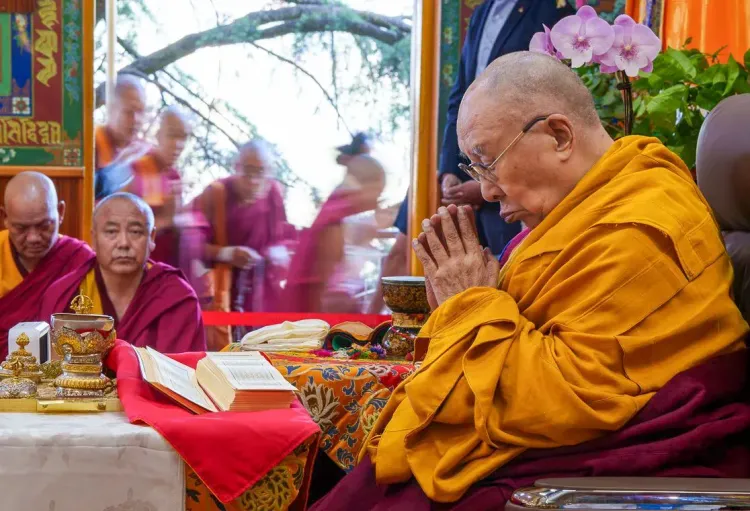
At 90, the Dalai Lama has now completed bilateral knee replacements — left knee done in New Delhi on 8 June, right knee in New York in 2024. He is already planning an extended Ladakh stay by month-end and a public 91st birthday event in Leh on 6 July, underscoring a determination to remain active despite Beijing's persistent objections.
Key Takeaways
The Dalai Lama underwent successful left knee replacement surgery at Apollo Hospital, New Delhi on 8 June 2025 .
He is in stable condition and 'remains in good spirits,' according to his personal physicians.
His right knee was replaced in June 2024 at the Hospital for Special Surgery, New York City .
He is scheduled to visit Ladakh toward the end of June for an extended stay.
A public programme for his 91st birthday on 6 July is likely to be held in Leh .
The Dalai Lama has been visiting Ladakh for over 50 years ; his last visit was in July 2025 .
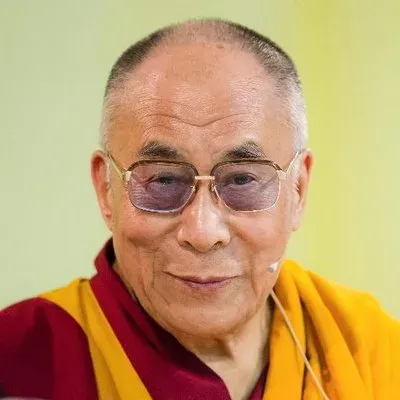
The Dalai Lama, the 90-year-old Tibetan spiritual leader, underwent a successful left knee replacement surgery at Apollo Hospital in New Delhi on Monday, 8 June, according to a medical bulletin issued by his personal physicians. The procedure marks his second knee replacement in under a year.
Surgery and Recovery Update
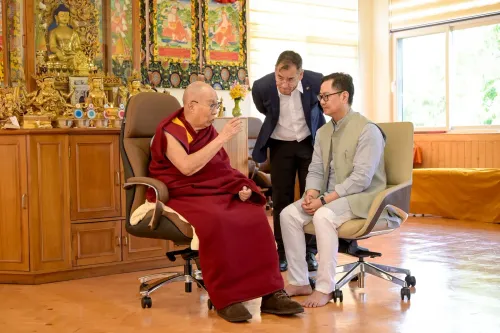
His Holiness returned to his hospital room in stable condition following the procedure. His personal physicians — Tsetan D. Sadutshang, Tamdin Tsewang, Tsering Lhadon, and Tenzin Tsundue — confirmed in a statement that 'his recovery is progressing well, and he remains in good spirits.'
The physicians also commended Apollo Hospital's medical, nursing, and administrative teams, expressing gratitude for their 'professionalism, dedication, and kindness.'
Previous Surgery and Medical History
This follows a successful right knee replacement performed in June 2024 at the Hospital for Special Surgery in New York City, from which the Dalai Lama made an excellent recovery, according to the bulletin. The two procedures together complete bilateral knee replacement for the spiritual leader.
Upcoming Plans: Ladakh Visit and 91st Birthday
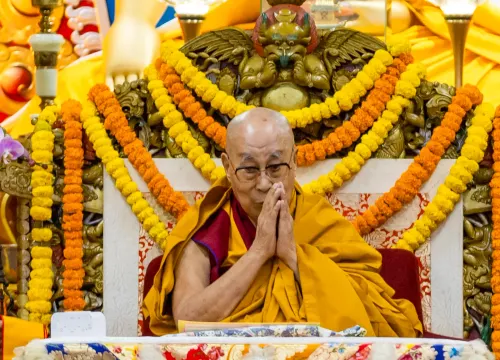
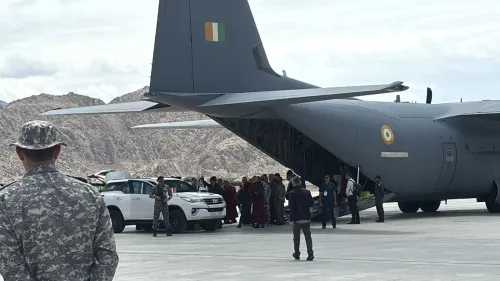
After completing his recovery, the Dalai Lama is scheduled to visit Ladakh toward the end of June 2025 for an extended stay, his office confirmed. He is also expected to attend a public programme marking his 91st birthday on 6 July, likely in Leh.
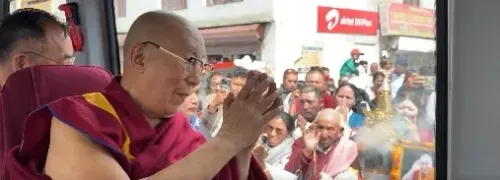
According to an aide, the Dalai Lama has been visiting Ladakh for over 50 years, with locals sharing a deep bond with him rooted in faith. His last visit to the region was in July 2025. He is known to travel frequently to the remote, mountainous areas of Ladakh bordering Tibet, often drawing criticism from China.
Political Context and Exile
The Dalai Lama, who resides in exile in McLeodganj, a hill station on the outskirts of Dharamsala in Himachal Pradesh, fled Tibet in March 1959 following a failed uprising against Chinese rule. He advocates a 'middle-way' approach, seeking greater autonomy for Tibet rather than full independence.
Beijing regards him as a 'separatist' and has consistently opposed his meetings with international leaders and visits at the invitation of the Indian government. His continued presence in India and planned Ladakh visit — a region bordering Tibet — is expected to draw fresh diplomatic scrutiny.
Point of View
His visible good health and continued public engagements carry weight well beyond the medical bulletin.
NationPress
23 Oct 2026
Frequently Asked Questions
What surgery did the Dalai Lama undergo on 8 June 2025?
The Dalai Lama underwent a successful left knee replacement surgery at Apollo Hospital in New Delhi on 8 June 2025. His physicians confirmed he returned to his hospital room in stable condition and is recovering well.
Has the Dalai Lama had knee surgery before?
Yes. In June 2024, he underwent a successful right knee replacement at the Hospital for Special Surgery in New York City and made an excellent recovery. The 8 June 2025 procedure completes bilateral knee replacement.
When is the Dalai Lama planning to visit Ladakh?
The Dalai Lama is scheduled to visit Ladakh toward the end of June 2025 for an extended stay, following his recovery. He has been visiting the region for over 50 years; his last visit was in July 2025.
Where will the Dalai Lama's 91st birthday be celebrated?
His 91st birthday falls on 6 July, and a public programme is likely to be held in Leh, Ladakh, according to his office.
Why does China object to the Dalai Lama's activities?
Beijing regards the Dalai Lama as a 'separatist' and opposes his meetings with international leaders and visits at India's invitation, particularly to Ladakh, which borders Tibet. The Dalai Lama fled Tibet in March 1959 after a failed uprising and advocates greater autonomy — not independence — for Tibet under his 'middle-way' approach.