Union Home Ministry Requests Officers from Darjeeling for Central Deputation
Synopsis
Controversies surrounding President Droupadi Murmu's visit to Darjeeling prompt the Union Home Ministry to request IAS and IPS officers for central deputation. This decision comes amidst claims of security protocol breaches during the event.
Key Takeaways
Union Ministry of Home Affairs seeks officers from Darjeeling district for central deputation.
The request follows a protocol breach during President Droupadi Murmu's visit.
Manish Mishra and C.
Sudhakar are the officers involved.
The state government has already relieved Mishra from his duties.
Central deputation is critical for IPS officers' career advancement.
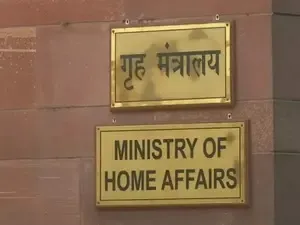
Kolkata, March 13 (NationPress) In light of recent issues surrounding a protocol breach during President Droupadi Murmu's visit to the Darjeeling district of West Bengal for the International Santal Conclave last week, the Union Ministry of Home Affairs has requested one Indian Administrative Service (IAS) officer and one Indian Police Service (IPS) officer from the district for central deputation.
The officers in question are the current district magistrate of Darjeeling, Manish Mishra, and the commissioner of the Siliguri Metropolitan Police, C. Sudhakar.
A notification regarding this request has already been sent to the state secretariat at Nabanna from the Union Ministry of Home Affairs on Friday, as per a source within the secretariat.
Notably, the state government has already relieved Mishra from his duties as the district magistrate. Sunil Agarwal, the former special secretary to the North Bengal Development Department, has been appointed as the new district magistrate.
According to regulations, since the President serves as the constitutional head of the nation, any failure regarding her security or protocol permits the Union Government to seek officers for central deputation, even if it goes against the state government's wishes.
The Supreme Court has affirmed the validity of Rule 6(1) of the IPS (Cadre) Rules, 1954, which grants the Union Government the power to override state decisions regarding the transfer and deputation of IPS officers when necessary. Should a state government decline to release a selected officer for central deputation, that officer may be prohibited from such deputation for five years.
These developments could impede the career progression of the concerned IPS officer, as a minimum of two years of central deputation is required for officers of the 2011 batch or later to qualify for empanelment as Inspector General.
The President attended the International Santal Conclave in Siliguri on March 7; however, complaints emerged regarding a breach of protocol during her visit, and even the President herself expressed subtle dissatisfaction.
There were further allegations that the protocol concerning her security was not adhered to.
Point of View
It's vital to recognize the implications of the Union Ministry's request for officers from Darjeeling. The move underscores the importance of protocol adherence during high-profile visits and highlights the delicate balance between state and central governance. Despite the controversies, the focus should remain on ensuring the safety and security of constitutional heads.
NationPress
12 Oct 2026
Frequently Asked Questions
Why did the Union Ministry of Home Affairs request officers?
The request was made due to a breach of protocol during President Droupadi Murmu's visit to Darjeeling, necessitating the need for an IAS and IPS officer on central deputation.
Who are the officers involved in this request?
The officers are Manish Mishra, the district magistrate of Darjeeling, and C. Sudhakar, the commissioner of Siliguri Metropolitan Police.
What happens if a state refuses to release an officer for central deputation?
If a state government refuses to release a selected officer for central deputation, that officer can be barred from such deputation for five years.
What is the significance of central deputation for IPS officers?
Central deputation is crucial for career progression, as a minimum of two years is required for officers to be eligible for empanelment as Inspector General.
What was President Murmu's involvement in the International Santal Conclave?
President Droupadi Murmu attended the International Santal Conclave in Siliguri on March 7, where issues of protocol breach were reported.