Are Dark-Web Syndicates Waging a Low-Cost War on the Indian Judiciary?
Synopsis
The Indian judiciary is under a barrage of hoax threats, believed to be part of a coordinated psychological operation. This article explores the growing trend of fake threats, their implications for the judiciary, and the entities behind these malicious acts.
Key Takeaways
Hoax threats are part of a larger psychological operation against India.
The judiciary is facing increased pressure from criminal syndicates.
Dark web groups are involved in orchestrating these threats.
The airline industry is significantly impacted by hoax calls.
Authorities are on high alert, prioritizing safety and investigation.
New Delhi, Feb 18 (NationPress) The recent series of fake threats directed at the Indian judiciary across the nation marks a continuation of psychological operations aimed at India. Over the past year and a half, similar hoax calls have plagued schools and airlines.
Investigating officials assert that these incidents are not isolated but part of a systematic effort to instill fear among the Indian populace and keep them in a state of anxiety.
Intelligence agencies have indicated that this operation is orchestrated by international players. Although it incurs low costs, its consequences can be severe. For example, when a school receives such a threat, authorities usually recognize it as a hoax. However, established protocols necessitate thorough checks before the school can resume operations.
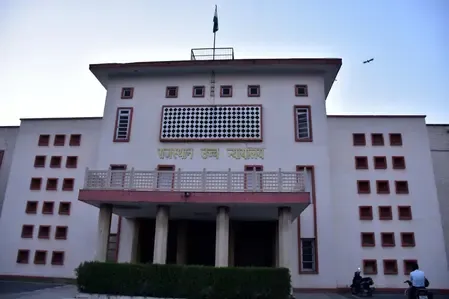
Regarding the recent threats to the courts, agencies have identified it as a message from certain criminal factions, potentially linked to the underworld or Khalistani elements. These syndicates aim to intimidate the judiciary, which is adjudicating cases involving their members.
A similar pattern was observed five years ago when Karnataka, Kerala, and Tamil Nadu faced multiple threats. Investigations revealed a group connected to Al-Qaeda, known as the Base Movement, was behind these attempts to intimidate the judiciary, particularly regarding a case involving Abdul Madani, linked to the 2008 Bengaluru serial blasts.
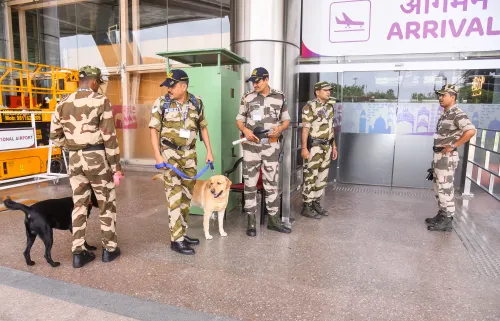
Hoax calls have surged in recent months, particularly in 2024, which proved disastrous for the airline sector. The industry suffered significant financial losses due to 79 hoax bomb threats that caused flight delays and emergency landings.
The agencies have uncovered a clandestine dark web group orchestrating these calls, which represent a well-structured operation aimed at generating fear and economic damage. The ISI has also established a division focused on psychological operations, employing hoax calls and misinformation to create panic. For the ISI, this low-risk operation can be executed from various global locations without necessitating on-ground infiltration in India.
Additionally, some calls emerge from personal grievances; individuals running late for flights sometimes resort to making such calls to delay departures. In the context of court threats, certain litigants have attempted to disrupt proceedings in response to unfavorable outcomes. However, the recent surge in threats suggests a larger, coordinated effort by a significant syndicate intending to undermine the Indian judiciary.
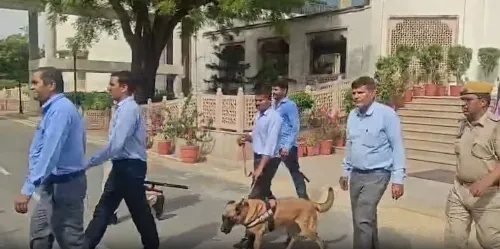
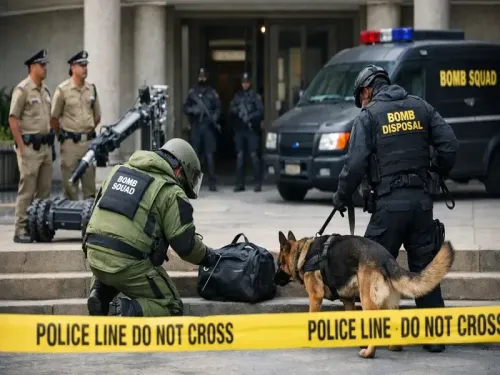
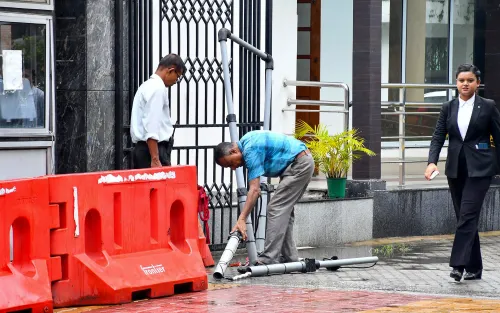
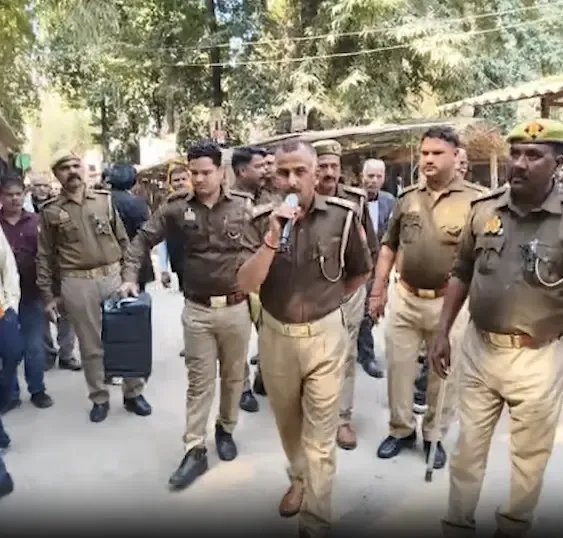
Despite knowing these threats are unfounded, agencies remain vigilant. Police response has been swift, with evacuations and investigations ongoing. Every potential threat must be addressed before any official clearance is given.
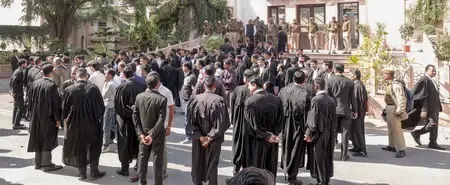
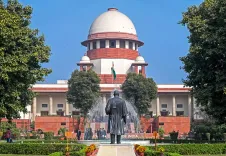
As a result of these incidents, substantial court time has been lost. This is particularly concerning given the already overloaded judiciary facing criticism for a backlog of cases. Following the Supreme Court's Ram Janmabhoomi verdict, intelligence agencies uncovered a plot suggesting that certain elements planned a sustained campaign against the judiciary.
Point of View
It is imperative to recognize the serious implications of these hoax threats on India's judicial system. The coordinated nature of these attacks reflects a deeper issue that must be addressed to maintain public confidence in the judiciary. Our focus should remain on supporting law enforcement and intelligence efforts to combat these threats effectively.
NationPress
9 Oct 2026
Frequently Asked Questions
What are the recent hoax threats about?
The recent hoax threats involve fake bomb calls directed at the Indian judiciary, schools, and airlines, intended to create panic and disrupt operations.
Who is behind these hoax threats?
Investigations suggest that dark web syndicates and potentially international players are orchestrating these hoax threats.
How do these hoax calls affect the judiciary?
These hoax calls lead to significant disruptions, wasting valuable court time and resources while diverting attention from legitimate cases.
What is the impact on the airline industry?
The airline industry has faced severe financial losses due to hoax calls that caused flight delays and emergency landings.
What are the authorities doing in response?
Authorities are conducting thorough investigations and evacuations in response to these threats, prioritizing public safety and judicial integrity.