Delhi Assembly Issues Warning to Kejriwal and Sisodia Over ‘Phansi Ghar’ Claims
Synopsis
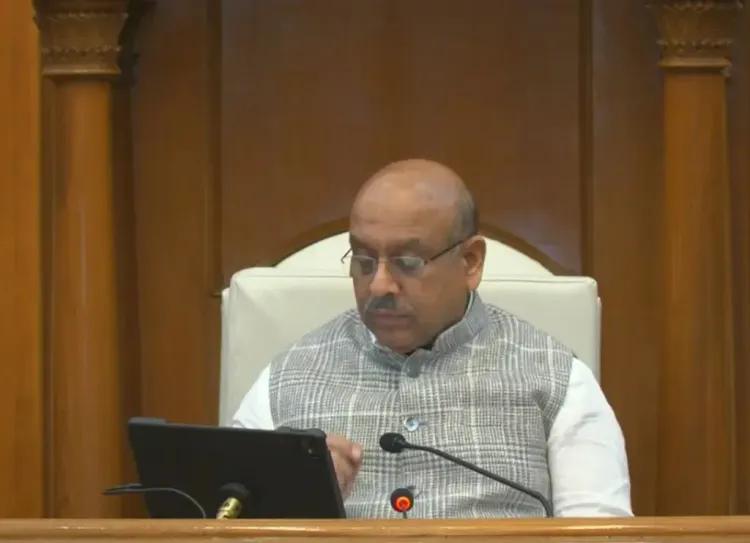
The Delhi Assembly's recent warning to Arvind Kejriwal and Manish Sisodia highlights the serious implications of spreading false narratives about an alleged execution room. Speaker Vijender Gupta emphasizes the importance of preserving the dignity of the legislature amidst such controversies.
Key Takeaways
Warning Issued: The Delhi Assembly has formally warned prominent AAP leaders for contempt.
Legislative Integrity: The Speaker emphasized the importance of maintaining the dignity of the legislature.
Historical Context: The Assembly played a crucial role in India's freedom struggle.
Committee Involvement: A Committee of Privileges is investigating the false narratives.
Commitment to Truth: The Assembly is committed to combating misinformation.
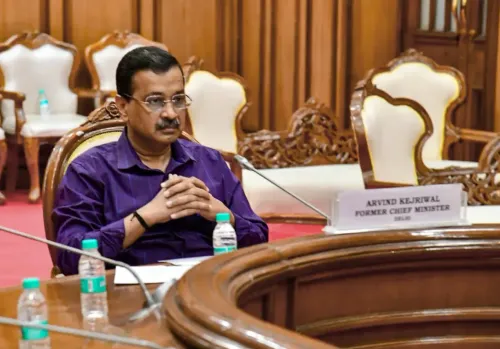
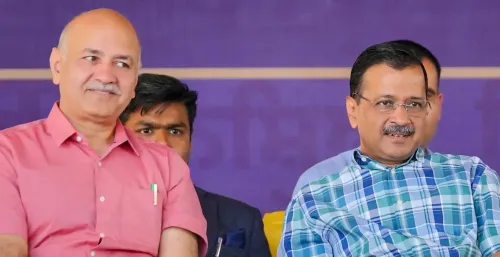
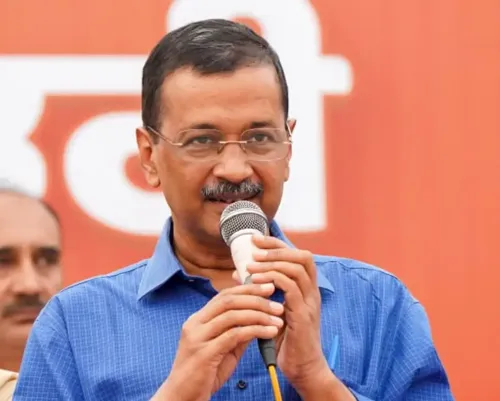
New Delhi, March 27 (NationPress) — The Delhi Assembly took a significant step on Friday by issuing a warning to former Chief Minister Arvind Kejriwal, ex-Deputy Chief Minister Manish Sisodia, and two other leaders from the Aam Aadmi Party (AAP) for their contempt towards the House. This warning is related to the dissemination of a "fabricated and unfounded narrative" regarding a supposed ‘Phansi Ghar’ (Execution Room) within the Assembly's precincts.
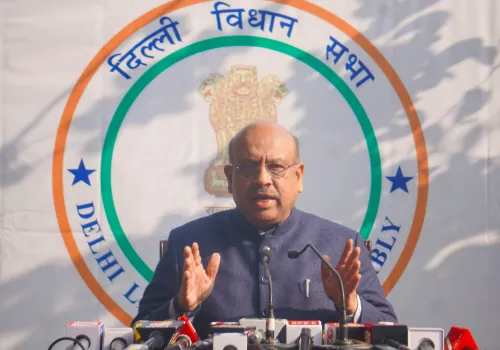
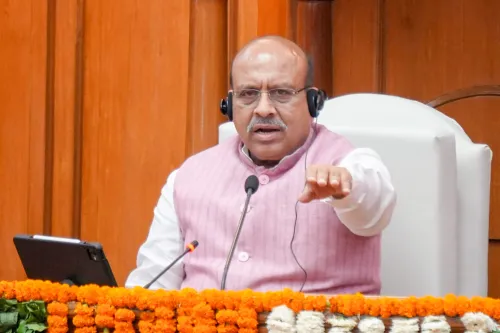
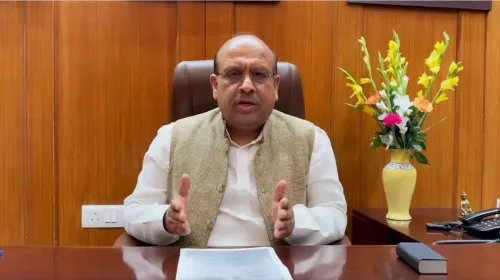
The resolution, passed under Rule 77(1)(a), also included warnings for former Speaker Ram Niwas Goyal and ex-Deputy Speaker Rakhi Birla. Speaker Vijender Gupta emphasized that while the House maintains the authority to impose strict penalties, including imprisonment, it opted to exercise restraint and issue a formal warning to preserve the legislature's dignity.
During his address, Gupta highlighted the seriousness of the situation, expressing his alarm over the "manufactured narrative" suggesting the existence of a ‘Phansi Ghar’ within the Assembly. He underscored that linking this esteemed building to an execution chamber undermines its historical significance.
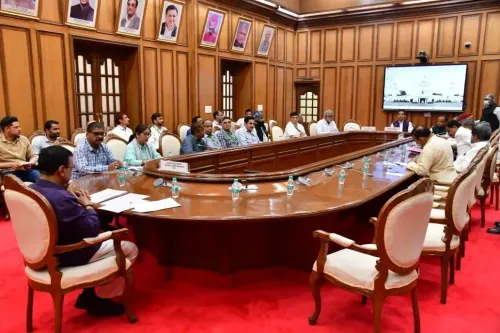
"The Assembly is engaged in this matter with complete fairness. The contempt has been established. Although no court in India can provide relief regarding legislative privilege, we are proceeding based on the integrity of this institution," he stated, referencing findings from the Committee of Privileges.
Gupta reminded the Assembly members that this House is not just a structure but a vital symbol of India’s struggle for freedom. He pointed out several historical milestones, noting that this is the only legislative chamber that Mahatma Gandhi ever visited to observe proceedings.
In his autobiography, The Story of My Experiments with Truth (Page 396), Gandhi recounts attending the debate on the Rowlatt Bill here in March 1919. He noted that the infamous Rowlatt Act was enacted in this very House on March 18, 1919, after which he initiated the Non-Cooperation Movement.
Furthermore, Gupta recalled the tragic shooting of peaceful demonstrators at Chandni Chowk on March 30, 1919, an event Gandhi described as a precursor to the Jallianwala Bagh massacre, illustrating the consequences of decisions made within these walls.
He criticized the previous disregard for Delhi’s rural martyrs while "false narratives" about execution rooms circulated. Gupta presented historical documentation regarding the 1918 War Conference held in the Assembly, which led to the recruitment of 1.3 million Indians for World War I.
He shared records of memorial stones from villages including Bawana, Kanjhawala, Alipur, Badli, Najafgarh, and Mehrauli, honoring the hundreds of rural youths who laid down their lives. He concluded by stating that a forthcoming report from the Committee will specifically tackle the lies surrounding the ‘Phansi Ghar’ narrative.
Gupta reiterated that the Assembly Secretariat and the Committee of Privileges will ensure that misinformation or defiance from officials will not compromise the sanctity of the House.
Point of View
The recent actions of the Delhi Assembly underscore the critical need for accountability among political leaders. The warning issued to prominent figures such as Kejriwal and Sisodia reflects a commitment to maintaining respect for legislative institutions. It also serves as a reminder of the historical significance of the Assembly, which has been a cornerstone of India’s democratic evolution.
NationPress
1 Oct 2026
Frequently Asked Questions
What was the reason for the warning issued by the Delhi Assembly?
The Delhi Assembly warned Arvind Kejriwal and Manish Sisodia for contempt of the House and for spreading a ‘manufactured narrative’ about a 'Phansi Ghar' within the Assembly.
Who else received warnings alongside Kejriwal and Sisodia?
Former Speaker Ram Niwas Goyal and former Deputy Speaker Rakhi Birla also received warnings from the Delhi Assembly.
What does 'Phansi Ghar' refer to?
'Phansi Ghar' translates to 'Execution Room' and was referenced in the context of false narratives being circulated about the Assembly.
What historical significance does the Delhi Assembly hold?
The Delhi Assembly is noted for being the only legislative chamber visited by Mahatma Gandhi, who witnessed significant debates such as the Rowlatt Bill.
What steps will the Assembly take regarding misinformation?
The Assembly Secretariat and the Committee of Privileges will ensure that the integrity of the House is maintained and that misinformation is addressed.