Delhi bans drones, UAVs across NCT from 2–16 August for Independence Day
Synopsis
Delhi Police has grounded every drone, paraglider, hot air balloon, and remotely piloted aircraft across the NCT for a full 15 days — from 2 to 16 August 2026. The sweeping order, citing terror and anti-social threats, is one of the most comprehensive aerial bans the capital has seen ahead of Independence Day.
Key Takeaways
Delhi Police Commissioner Anurag Kumar issued a blanket aerial ban on 31 July 2026 , effective 2–16 August 2026 .
The ban covers drones (UAVs/UAS) , quadcopters, paragliders, paramotors, hang gliders, microlight aircraft, hot air balloons, and para-jumping.
The order was issued under Section 163 of the BNSS, 2023 , citing threats from criminal, anti-social, and terrorist elements.
Violations are punishable under Section 223 of the Bharatiya Nyaya Sanhita, 2023 .
The directive applies across the entire NCT of Delhi and will be publicised via media and notice boards at police stations, NDMC, MCD, PWD, DDA, and Delhi Cantonment Board offices.
Delhi Police has imposed a blanket ban on drones and a wide range of sub-conventional aerial platforms across the National Capital Territory (NCT) of Delhi from 2 August to 16 August 2026, as part of tightened security arrangements ahead of Independence Day celebrations. The order, signed on 31 July 2026, covers the entire 15-day window leading up to and immediately following the 15 August event at the Red Fort.
What the Order Covers
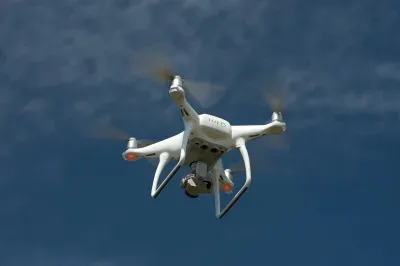
The prohibition, issued by Delhi Police Commissioner Anurag Kumar under Section 163 of the Bharatiya Nagarik Suraksha Sanhita (BNSS), 2023, bars the operation of an extensive list of aerial platforms. These include Unmanned Aerial Vehicles (UAVs), Unmanned Aircraft Systems (UAS), quadcopters, remotely piloted aircraft, paragliders, paramotors, hang gliders, microlight aircraft, small-sized powered aircraft, hot air balloons, and para-jumping from aircraft.
The directive applies uniformly across the entire jurisdiction of the NCT and carries no exemptions for recreational or commercial operators during the notified period.
Why the Ban Was Imposed
The order cites credible security concerns as its basis. 'It has been reported that certain criminal, anti-social elements or terrorists inimical to India may pose a threat to the safety of the general public, dignitaries and vital installations by the use of sub-conventional aerial platforms,' the official order stated.
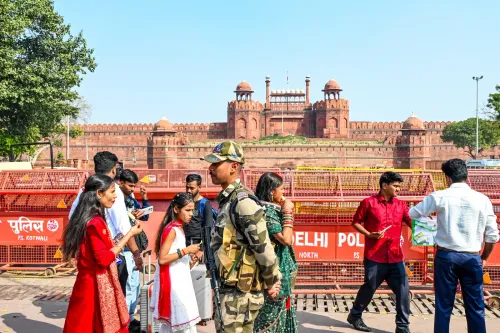
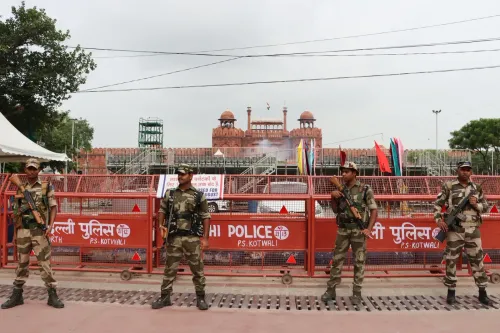
The ban is framed as a preventive measure to protect citizens, visiting dignitaries, and critical infrastructure during one of India's most high-profile national events. Security agencies routinely coordinate a multi-layered response ahead of Independence Day, with the Red Fort serving as the primary ceremonial venue.
Penalties for Violation
Delhi Police has warned that any breach of the directive will attract punishment under Section 223 of the Bharatiya Nyaya Sanhita (BNS), 2023. Given that the order affects a large number of residents and operators, Commissioner Anurag Kumar noted it could not be served individually and has been issued ex-parte.
The directive will be publicised through media channels and displayed on notice boards at the offices of Deputy Commissioners of Police, Additional Deputy Commissioners of Police, Assistant Commissioners of Police, tehsil offices, police stations, and offices of the NDMC, MCD, PWD, DDA, and the Delhi Cantonment Board.
Context and Precedent
Aerial restrictions of this nature are a standard feature of Independence Day security protocols in the national capital. This year's order is notably comprehensive in the breadth of platforms it covers, reflecting heightened vigilance around the use of commercially available drones and remotely operated vehicles. The ban will remain in force unless withdrawn earlier, with 16 August 2026 as the outer limit.
Point of View
Not just as a ceremonial precaution. The explicit mention of 'terrorists inimical to India' in a public order is unusual and suggests intelligence inputs beyond routine caution. What the order does not address is enforcement: with Delhi's airspace vast and the ban ex-parte, the practical deterrent depends entirely on ground-level monitoring capacity, which remains untested at this scale.
NationPress
15 Sept 2026
Frequently Asked Questions
What has Delhi Police banned ahead of Independence Day 2026?
Delhi Police has banned all sub-conventional aerial platforms — including drones, UAVs, quadcopters, paragliders, paramotors, hang gliders, microlight aircraft, hot air balloons, and para-jumping — across the entire NCT of Delhi from 2 to 16 August 2026. The ban was ordered by Police Commissioner Anurag Kumar under Section 163 of the BNSS, 2023.
Why has Delhi imposed a drone ban before Independence Day?
The ban was imposed citing security threats to the general public, visiting dignitaries, and critical infrastructure. The official order specifically references the risk from 'criminal, anti-social elements or terrorists inimical to India' who could misuse aerial platforms during the Independence Day celebrations.
What is the punishment for violating the Delhi drone ban?
Violating the aerial ban is punishable under Section 223 of the Bharatiya Nyaya Sanhita (BNS), 2023. Delhi Police has made this clear in the order and will publicise the directive through media and notice boards across the city.
How long does the Delhi aerial ban last?
The ban runs for 15 days, from 2 August 2026 to 16 August 2026 (both days inclusive), unless withdrawn earlier by the authorities.
Does the drone ban apply only near the Red Fort?
No. The ban applies across the entire jurisdiction of the National Capital Territory (NCT) of Delhi, not just in the vicinity of the Red Fort or other ceremonial venues.